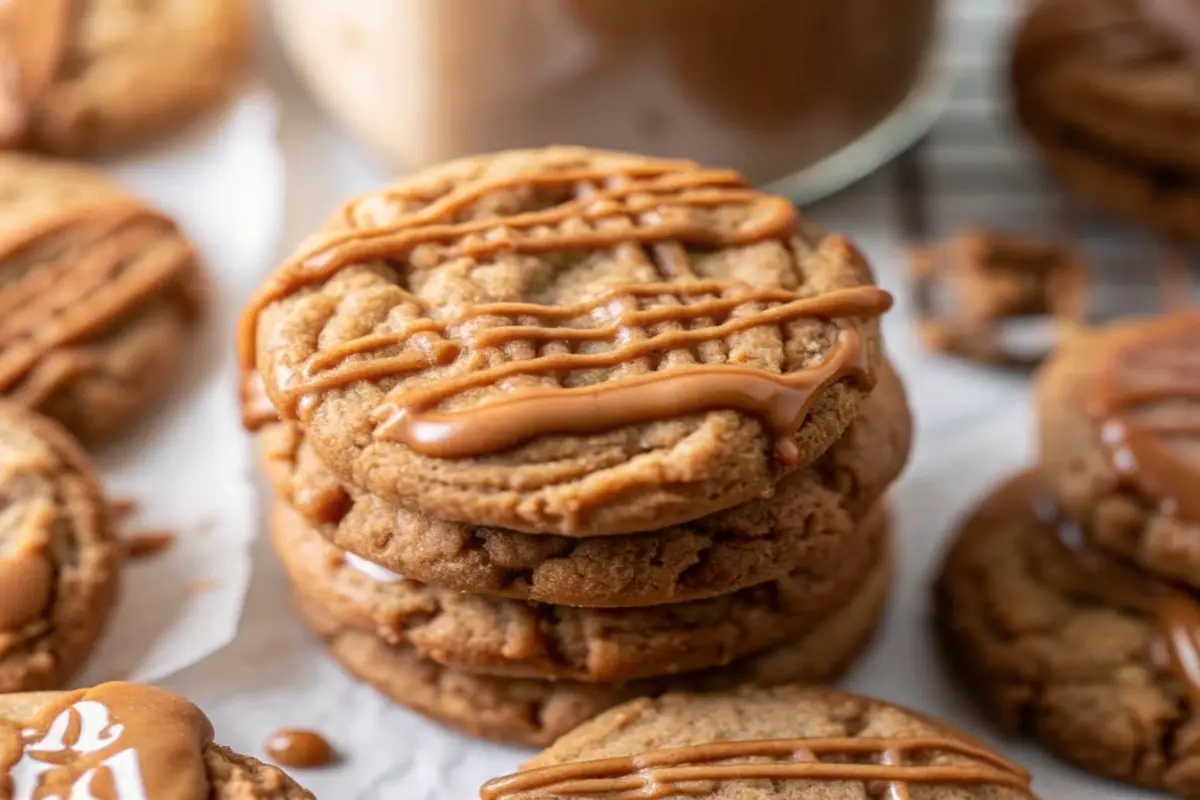
Did you know that the average homemade biscoff cookie recipe takes only 30 minutes of hands-on work, yet delivers the same delicious, spiced magic as store-bought versions? If you’ve been craving that irresistible caramel-cinnamon flavor but thought it required professional baking skills, this biscoff cookie recipe is about to change your mind.
Whether you’re a seasoned baker or someone who rarely ventures into the kitchen, this comprehensive guide will walk you through creating bakery-quality biscoff cookies that rival any commercial product. The beauty of making your own biscoff cookie recipe at home lies not just in the superior taste, but in the ability to customize sweetness levels, adjust spice intensity, and control ingredient quality. Let’s dive into how you can master this beloved cookie in your own kitchen.
Ingredients List
To create the perfect biscoff cookies, gather these carefully selected ingredients:
The Wet Ingredients:
- ½ cup butter, softened to room temperature
- ½ cup granulated white sugar
- ¾ cup packed brown sugar
- 2 large eggs
- ¾ cup Biscoff cookie butter (the star ingredient)
- 1 teaspoon vanilla extract
The Dry Ingredients:
- 2½ cups all-purpose flour
- ½ teaspoon baking soda
- ½ teaspoon baking powder
- ¼ teaspoon salt
The Mix-Ins & Toppings:
- 18 Biscoff cookies, roughly crushed
- Extra cookie butter for drizzling (warmed)
- Additional whole or broken Biscoff cookie pieces for topping
Ingredient Substitution Tips:
If you can’t locate Biscoff cookie butter, you can substitute it with almond butter mixed with a tablespoon of cinnamon and a touch of caramel sauce. For a vegan version, replace the butter with coconut oil and use flax eggs (1 tablespoon ground flax mixed with 3 tablespoons water per egg). Brown sugar can be replaced with coconut sugar for a lower glycemic option, though this slightly alters the flavor profile.
Timing
This biscoff cookie recipe operates on an efficient timeline:
- Prep Time: 15 minutes (mixing ingredients and preparing baking sheets)
- Chill Time: Optional but recommended (10 minutes if dough needs firming)
- Baking Time: 13-15 minutes at 350°F
- Cooling Time: 30 minutes (5 minutes on baking sheet, 25 minutes on cooling rack)
- Total Time: Approximately 60-75 minutes from start to finish
This represents about 25% less time than many traditional cookie recipes, making it perfect for spontaneous baking sessions or last-minute dessert needs.
Step-by-Step Instructions
Step 1: Prepare Your Baking Station
Preheat your oven to 350°F and line two baking sheets with parchment paper. This crucial first step prevents sticking and ensures even baking. Position your oven racks so cookies will bake in the center of the oven, where heat circulation is most consistent. Have all ingredients measured and ready (known as “mise en place” in the culinary world)—this prevents scrambling mid-recipe and ensures nothing gets forgotten.
Step 2: Cream Butter and Sugars
In a large mixing bowl using either a hand mixer or stand mixer, combine the softened butter, white sugar, and brown sugar. Beat on medium speed for 2-3 minutes until the mixture becomes light, fluffy, and pale in color. This creaming process incorporates air into the dough, creating a lighter cookie texture. The mixture should look almost like frosting when properly creamed. Don’t rush this step—proper creaming is the foundation of tender, well-textured cookies.
Step 3: Incorporate Wet Ingredients
With the mixer still running on medium speed, add the eggs one at a time, allowing each to fully incorporate before adding the next. This prevents the mixture from curdling. Next, add the Biscoff cookie butter and vanilla extract, continuing to beat until the mixture becomes smooth and creamy. Stop occasionally to scrape down the sides and bottom of the bowl to ensure even mixing. The batter should look rich, glossy, and deeply caramel-colored at this point.
Step 4: Combine Dry Ingredients
In a separate bowl, whisk together the flour, baking soda, baking powder, and salt. Whisking these dry ingredients separately ensures the leavening agents are evenly distributed, preventing dense spots in your cookies. This step is especially important when using baking soda, which can clump if not properly mixed.
Step 5: Merge Wet and Dry Mixtures
Reduce mixer speed to low. Gradually add the dry ingredient mixture to the wet mixture, beating just until combined. This slow integration prevents overmixing, which can lead to tough cookies. Overmixing activates gluten in the flour, resulting in dense rather than tender cookies. Mix only until no flour streaks remain visible.
Step 6: Fold In Crushed Biscoff Cookies
Using a spatula or wooden spoon, gently fold the crushed Biscoff cookies into the dough. Hand-folding ensures you don’t overwork the dough and that the cookie pieces remain relatively intact, providing delightful texture variations in each bite. Some pieces can be larger for added crunch.
Step 7: Shape and Prepare for Baking
Using your hands or a cookie scoop, roll dough into balls approximately 1½ inches in diameter. Place them on your prepared baking sheets, spacing them about 2 inches apart. Gently press down each ball with the palm of your hand to flatten slightly. Top each cookie with a piece or two of broken Biscoff cookie, pressing lightly so it adheres to the dough. These toppings not only look beautiful but also provide extra Biscoff flavor and pleasant textural contrast.
Step 8: Bake to Golden Perfection
Bake for 13-15 minutes until the edges are set but the centers remain slightly soft and appear barely golden. The cookies will continue cooking on the hot baking sheet after removal from the oven. Underbaking slightly is preferable to overbaking, as it maintains a soft, chewy interior. Remove from the oven when the edges look done but the centers still appear slightly underdone.
Step 9: Cool Properly
Let cookies cool on the baking sheet for 5 minutes, then transfer to a wire cooling rack. This two-stage cooling process prevents the bottoms from cooking further while the residual heat sets the structure. Allow complete cooling (approximately 25 minutes) before drizzling with warmed cookie butter.
Step 10: Add the Finishing Touch
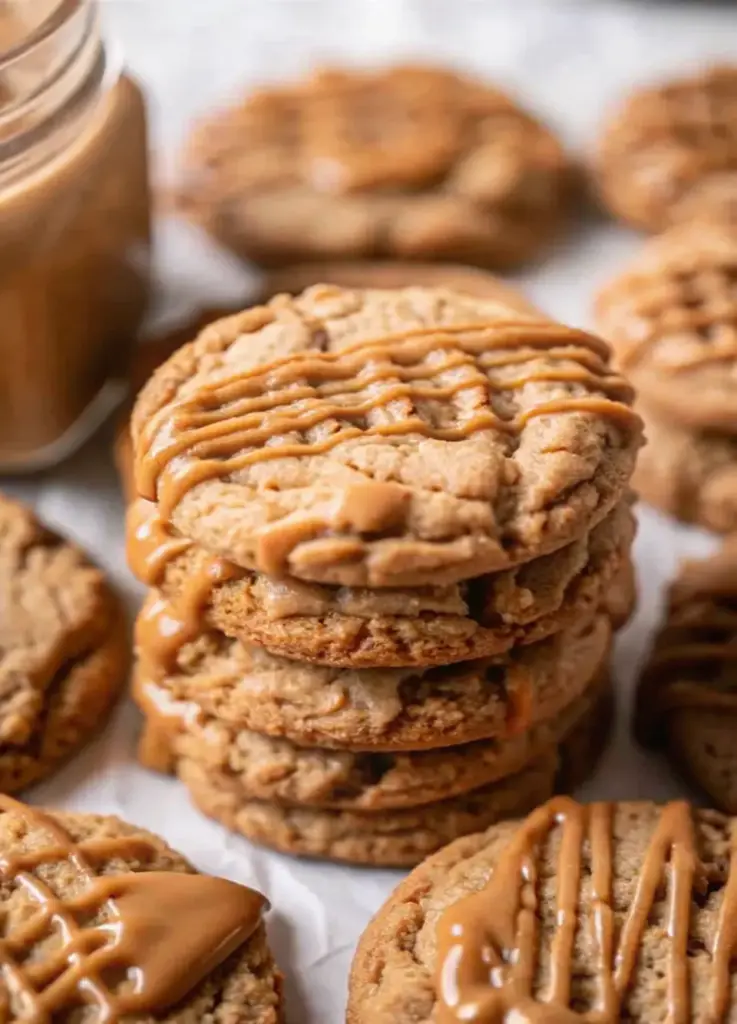
Warm your extra cookie butter by placing it in a small bowl over hot water or microwaving for 10-15 seconds until drizzle-able. Using a fork or piping bag, create artistic drizzles across each cooled cookie. This final touch adds visual appeal and intensifies the Biscoff flavor.

Nutritional Information
Per cookie (based on approximately 24 cookies per batch):
| Nutrient | Amount |
|---|---|
| Calories | 180-195 |
| Total Fat | 9-10g |
| Saturated Fat | 5-6g |
| Cholesterol | 25-30mg |
| Sodium | 95-110mg |
| Total Carbohydrates | 22-24g |
| Dietary Fiber | 0.5g |
| Sugars | 14-15g |
| Protein | 2-2.5g |
The Biscoff cookie butter contributes most of the caloric content while adding signature flavor and richness that would otherwise require additional butter. The spices provide antioxidants and digestive benefits beyond their flavor contribution.
Healthier Alternatives for the Recipe
Lower-Sugar Version
Reduce both sugars by 25% and substitute the remaining sugar with monk fruit sweetener or erythritol. This reduces calories by approximately 15-20% without significantly compromising texture.
Protein-Boosted Option
Replace ½ cup flour with vanilla protein powder. This increases protein content by approximately 3-4g per cookie while maintaining structural integrity.
Whole Grain Adaptation
Substitute up to 1 cup of all-purpose flour with whole wheat pastry flour. This adds fiber and nutrients while maintaining a tender crumb. Whole wheat pastry flour has a finer texture than regular whole wheat flour, making it better suited for cookies.
Vegan Transformation
Use coconut oil instead of butter, flax eggs instead of regular eggs, and ensure your Biscoff cookie butter is vegan-friendly. This adapts the recipe for plant-based diets without sacrificing authentic flavor.
Reduced-Fat Option
Replace half the butter with Greek yogurt and half the cookie butter with almond butter mixed with cinnamon. This cuts fat content significantly while maintaining moisture and flavor through alternative ingredients.
Serving Suggestions
Classic Pairings:
Serve warm Biscoff cookies with a hot cup of coffee or tea. The warm spices in the cookies complement both beverages beautifully. For milk lovers, pair with cold glasses of whole milk or homemade almond milk.
Dessert Plating:
Arrange cookies on a beautiful platter with fresh whipped cream, caramel sauce, and a sprinkle of sea salt. This elevated presentation transforms a simple cookie into a sophisticated dessert course.
Coffee Shop Experience:
Create a DIY coffee bar at home where guests can choose their preferred cookie alongside specialty coffee drinks. This interactive element adds social enjoyment to the eating experience.
Party Portion Control:
Break cookies into halves or quarters and serve alongside a warm Biscoff cookie butter dip. This approach allows guests to enjoy multiple flavors without overwhelming portions.
Gift-Giving Presentation:
Package cooled cookies in decorative boxes or mason jars with a handwritten recipe card. These homemade gifts demonstrate thoughtfulness while sharing your baking success.
Remember it later!
Planning to try this recipe soon? Pin it for a quick find later!
Common Mistakes to Avoid
Mistake #1: Using Cold Butter
Cold butter doesn’t cream properly, resulting in dense cookies. Always soften butter to room temperature (approximately 65-70°F) before beginning. If you forget, cut butter into small cubes and let sit for 10-15 minutes.
Mistake #2: Overmixing the Dough
Excessive mixing develops gluten, creating tough, cake-like cookies. Mix just until ingredients combine, stopping as soon as no flour streaks remain visible.
Mistake #3: Skipping the Cookie Butter Drizzle
This finishing touch isn’t optional—it’s what elevates your homemade version to bakery-quality status. The drizzle adds visual appeal and flavor intensity that ties everything together.
Mistake #4: Overbaking
Cookies continue cooking on the hot baking sheet. Remove them when edges look set but centers appear slightly underdone. They’ll firm up as they cool.
Mistake #5: Not Leaving Adequate Space
Crowded cookies merge together as they spread. Space them at least 2 inches apart to allow for proper expansion and prevent stuck-together cookies.
Mistake #6: Substituting Ingredients Without Consideration
Not all flour works the same way, and different sweeteners behave differently. If substituting, research how the ingredient affects moisture, spreading, and browning rates.
Storing Tips for the Recipe
Short-Term Storage (Up to 10 Days):
Store completely cooled cookies in an airtight container at room temperature. Layer them between parchment paper to prevent sticking and breakage. Keep the container away from direct sunlight and heat sources, as cookies can soften or melt.
Freezing for Extended Storage (Up to 3 Months):
Place cooled cookies in freezer-safe containers or bags, separating layers with parchment paper. Thaw at room temperature for 30 minutes before serving. Frozen cookies maintain their quality excellently, making batch-baking ahead convenient for busy periods.
Dough Preparation (Up to 2 Weeks):
Prepare dough through step 6, then refrigerate in an airtight container. Scoop and bake directly from refrigerated dough, adding 1-2 minutes to baking time since the dough is cold.
Refreshing Stale Cookies:
If cookies become hard or stale, warm them in a 275°F oven for 3-5 minutes. This restores softness temporarily. Alternatively, place cookies in a container with a slice of bread overnight; the bread transfers moisture to the cookies.
Drizzle Application Timing:
Apply warmed cookie butter drizzle only after cookies have completely cooled. Applying to warm cookies causes the drizzle to melt into the cookie rather than creating aesthetic decorative lines.
Conclusion
Mastering this biscoff cookie recipe empowers you to create bakery-quality treats whenever cravings strike. From understanding proper creaming techniques to perfecting baking times, you now possess all the knowledge needed to bake consistently excellent cookies. The combination of Biscoff cookie butter, warm spices, and crushed cookie pieces creates an addictively delicious treat that satisfies any dessert desire. Remember that baking is both science and creativity—don’t hesitate to experiment with variations once you’ve mastered the basic recipe.
Call-to-Action: Try this biscoff cookie recipe this week and share your baking success in the comments below! Let us know how your cookies turned out, any creative variations you tried, or your favorite serving method. Subscribe to our blog for more delicious recipes, expert baking tips, and exclusive cooking guides delivered directly to your inbox. Join our community of passionate home bakers and never miss an update.

Frequently Asked Questions
Q: Can I make this recipe without a stand mixer?
A: Absolutely! A hand mixer works perfectly for all steps. The process takes slightly longer, but the results are identical. You can even mix by hand if you have strong arms and patience.
Q: What’s the difference between Biscoff cookies and speculoos cookies?
A: They’re the same product! Biscoff is the brand name under which speculoos cookies are sold. Speculoos is the traditional Dutch name for these spiced cookies.
Q: Can I double this recipe for batch-baking?
A: Yes, doubling works well. Simply multiply all ingredient quantities by two. The preparation and baking times remain the same; only the total amount of dough increases.
Q: What if my cookies spread too much during baking?
A: This typically results from warm dough or a warm kitchen. Refrigerate dough for 15 minutes before scooping, or reduce oven temperature by 25°F and bake slightly longer.
Q: Is Biscoff cookie butter the same as Biscoff spread?
A: Yes, these terms are used interchangeably. It’s a creamy, caramel-colored spread made from blended Biscoff cookies.
Q: Can I substitute the eggs in this recipe?
A: Yes, for vegan versions use flax eggs (1 tablespoon ground flax mixed with 3 tablespoons water per egg). For egg allergies, use applesauce (¼ cup per egg) or commercial egg replacer following package directions.
Q: How do I prevent the drizzle from hardening too quickly?
A: Keep the cookie butter warm by placing the bowl over hot water. Work quickly but don’t stress about perfect lines—rustic drizzles look beautiful too.
Q: What’s the best way to mail these cookies as gifts?
A: Pack them in a sturdy box with packing material between layers. Avoid shipping during extremely hot weather when cookies may melt, and include storage instructions with your gift.
The Best Biscoff Cookie Recipe: Tips, Tricks, and Variations
- Total Time: 60 minutes
- Yield: 24 cookies 1x
- Diet: Vegetarian
Description
Master the art of homemade Biscoff cookies with this step-by-step guide. Crispy, chewy, and packed with caramel-cinnamon flavor, these bakery-style cookies are perfect for any occasion.
Ingredients
- ½ cup butter, softened to room temperature
- ½ cup granulated white sugar
- ¾ cup packed brown sugar
- 2 large eggs
- ¾ cup Biscoff cookie butter
- 1 teaspoon vanilla extract
- 2½ cups all-purpose flour
- ½ teaspoon baking soda
- ½ teaspoon baking powder
- ¼ teaspoon salt
- 18 Biscoff cookies, roughly crushed
- Extra cookie butter for drizzling (warmed)
- Additional whole or broken Biscoff cookie pieces for topping
Instructions
- Preheat oven to 350°F and line baking sheets with parchment paper.
- Cream butter, white sugar, and brown sugar together until light and fluffy (2–3 minutes).
- Add eggs one at a time, then mix in Biscoff cookie butter and vanilla extract until smooth.
- In another bowl, whisk flour, baking soda, baking powder, and salt.
- Gradually add dry mixture to wet mixture, mixing just until combined.
- Fold in crushed Biscoff cookies with a spatula.
- Shape dough into 1½-inch balls, place 2 inches apart on baking sheets, and top with broken Biscoff pieces.
- Bake 13–15 minutes until edges are set but centers remain soft.
- Cool on baking sheet for 5 minutes, then transfer to rack for 25 minutes.
- Drizzle cooled cookies with warmed cookie butter for a perfect finish.
Notes
For best results, use room-temperature ingredients and avoid overmixing the dough. Slightly underbake for soft, chewy centers. Perfectly paired with coffee or tea!
- Prep Time: 15 minutes
- Cook Time: 15 minutes
- Category: Dessert
- Method: Baked
- Cuisine: Belgian
Nutrition
- Serving Size: 1 cookie
- Calories: 190
- Sugar: 15g
- Sodium: 105mg
- Fat: 9.5g
- Saturated Fat: 5.5g
- Unsaturated Fat: 4g
- Trans Fat: 0g
- Carbohydrates: 23g
- Fiber: 0.5g
- Protein: 2.5g
- Cholesterol: 30mg
Keywords: biscoff cookie recipe, homemade biscoff, cookie butter, speculoos, bakery cookies