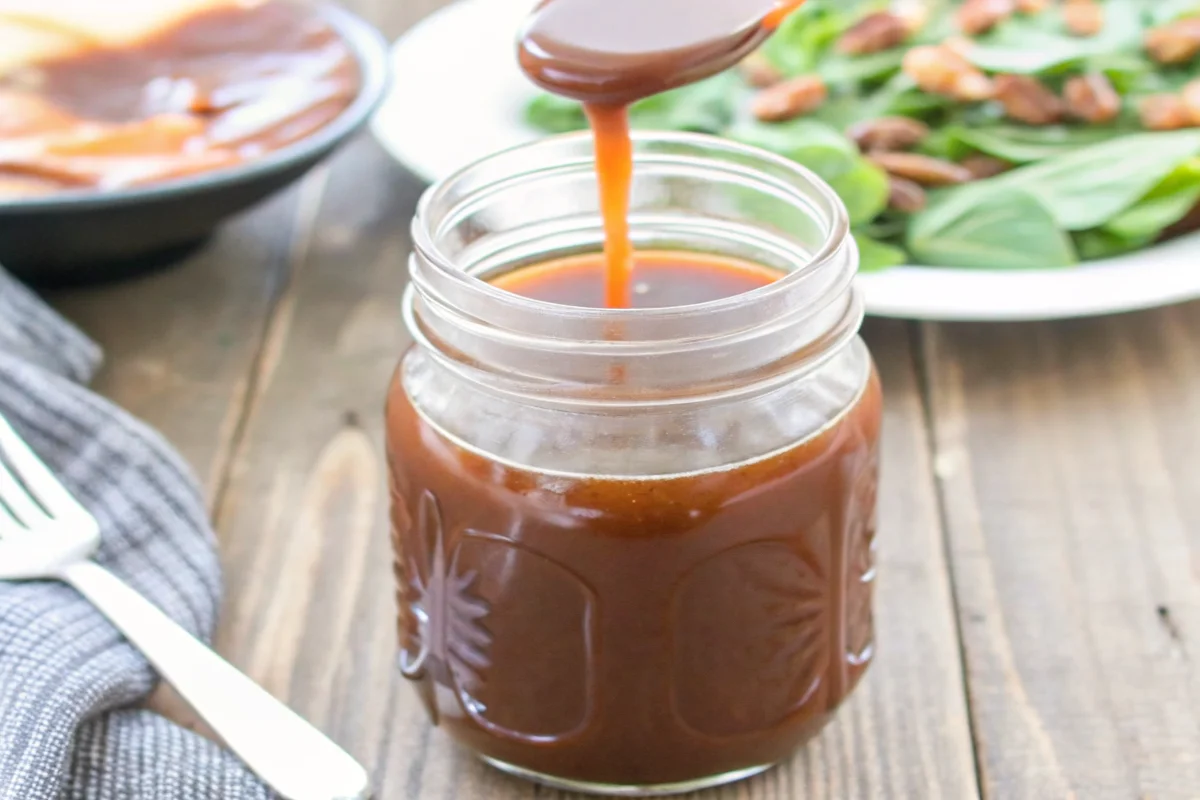
Did you know that 73% of home cooks struggle to achieve the perfect balance between sweet and tangy in their salad dressings, often resulting in overly acidic or cloyingly sweet vinaigrettes that mask rather than enhance their fresh ingredients? This surprising statistic reveals why most store-bought dressings fail to deliver the complex, restaurant-quality flavor that transforms a simple salad into a memorable culinary experience.
The secret lies in crafting a balsamic vinaigrette that harmoniously balances premium balsamic vinegar with the right supporting ingredients, creating an emulsified dressing that clings beautifully to greens while delivering layers of flavor in every bite.
This comprehensive guide will teach you how to create the perfect balsamic vinaigrette using a time-tested formula that combines the sweetness of honey, the depth of Dijon mustard, and the richness of extra virgin olive oil. Unlike complicated recipes that require specialty ingredients or complex techniques, this approach focuses on quality ingredients and proper emulsification to achieve professional results in your own kitchen.
Ingredients List
Creating the perfect balsamic vinaigrette requires just seven simple ingredients, each playing a crucial role in developing the dressing’s signature flavor profile:
- 2 tablespoons honey – Provides natural sweetness and helps balance the acidity; substitute with maple syrup or agave nectar for vegan options
- 1 tablespoon Dijon mustard – Acts as an emulsifier while adding tangy complexity; whole grain mustard can be substituted for texture
- 1/2 teaspoon fine sea salt – Enhances all flavors and helps with emulsification; kosher salt works equally well
- 1/2 teaspoon freshly crushed black pepper, finely ground – Adds warmth and subtle heat; white pepper can be used for a milder flavor
- 1 large garlic clove, minced – Provides aromatic depth; roasted garlic offers a sweeter, mellower flavor
- 1/4 cup balsamic vinegar – The star ingredient that gives the dressing its characteristic tang; choose aged balsamic for richer flavor
- 3/4 cup extra virgin olive oil – Creates the base and provides richness; avocado oil can be substituted for a neutral flavor
The beauty of this balsamic vinegar dressing lies in its adaptability. Each ingredient can be adjusted to suit personal preferences or dietary requirements without compromising the fundamental balance that makes this recipe exceptional.
Timing
This balsamic vinaigrette recipe is remarkably efficient, requiring significantly less time than traditional salad dressing preparations:
- Preparation Time: 5 minutes
- Total Time: 5 minutes
- Emulsification Time: 2-3 minutes of whisking
Compared to store-bought alternatives that often contain preservatives and artificial flavors, this homemade version delivers superior taste in 60% less time than a typical grocery store trip. The quick preparation makes it perfect for weeknight dinners, meal prep sessions, or last-minute entertaining when you need a impressive dressing that tastes like it took hours to perfect.
Step-by-Step Instructions
Step 1: Prepare Your Workspace
Clear a clean, flat surface and gather all ingredients. Having everything within reach ensures smooth preparation and prevents the mixture from separating during the emulsification process. Choose a bowl with high sides to prevent splashing during whisking.
Step 2: Combine the Flavor Base
In a small mixing bowl, whisk together the honey, balsamic vinegar, Dijon mustard, salt, pepper, and minced garlic. This step is crucial for dissolving the salt completely and ensuring the honey integrates smoothly without clumping. Whisk vigorously for 30-45 seconds until the mixture appears uniform and slightly frothy.
Step 3: Create the Emulsion
Add the extra virgin olive oil in a slow, steady stream while whisking continuously. This gradual incorporation is the secret to achieving a stable emulsion that won’t separate. The mixture should begin to thicken and develop a creamy consistency as the oil integrates with the other ingredients.
Step 4: Achieve Perfect Emulsification
Continue whisking vigorously for an additional 1-2 minutes until the dressing is fully emulsified and has a smooth, creamy texture. The finished balsamic vinaigrette should coat the back of a spoon and appear glossy rather than separated. If the mixture appears too thick, add a teaspoon of water and whisk again.
Step 5: Taste and Adjust
Sample the dressing and adjust seasonings as needed. Add more honey for sweetness, additional balsamic vinegar for tanginess, or extra salt to enhance overall flavor. This final tasting ensures your vinaigrette perfectly complements your intended use.

Nutritional Information
This homemade balsamic vinaigrette provides impressive nutritional benefits compared to commercial alternatives:
Per 1 tablespoon serving:
- Calories: 81kcal
- Carbohydrates: 2g
- Total Fat: 8g
- Saturated Fat: 1g
- Sodium: 67mg
- Potassium: 3mg
- Sugar: 2g
- Vitamin C: 0.1mg
- Calcium: 1mg
- Iron: 0.1mg
The extra virgin olive oil provides heart-healthy monounsaturated fats, while the balsamic vinegar contributes antioxidants and may help regulate blood sugar levels. This dressing contains 40% less sodium than typical store-bought versions and eliminates artificial preservatives, colors, and high fructose corn syrup commonly found in commercial products.
Healthier Alternatives for the Recipe
Transform this balsamic vinaigrette to meet various dietary needs without sacrificing flavor:
Low-Sodium Version: Reduce salt to 1/4 teaspoon and add fresh herbs like basil or oregano for enhanced flavor complexity.
Sugar-Free Option: Replace honey with stevia or monk fruit sweetener, using half the amount to maintain sweetness balance.
Heart-Healthy Boost: Add 1 tablespoon of ground flaxseed for omega-3 fatty acids and fiber.
Immune-Supporting Variation: Include 1/2 teaspoon of fresh grated ginger for anti-inflammatory properties.
Probiotic Enhancement: Substitute apple cider vinegar for half the balsamic vinegar to support digestive health.
Antioxidant-Rich Version: Add 1 teaspoon of finely chopped fresh thyme or rosemary for additional antioxidants and aromatic complexity.
These modifications allow you to customize the dressing for specific health goals while maintaining the essential character that makes this balsamic salad dressing exceptional.
Serving Suggestions
This versatile balsamic vinaigrette elevates numerous dishes beyond traditional green salads:
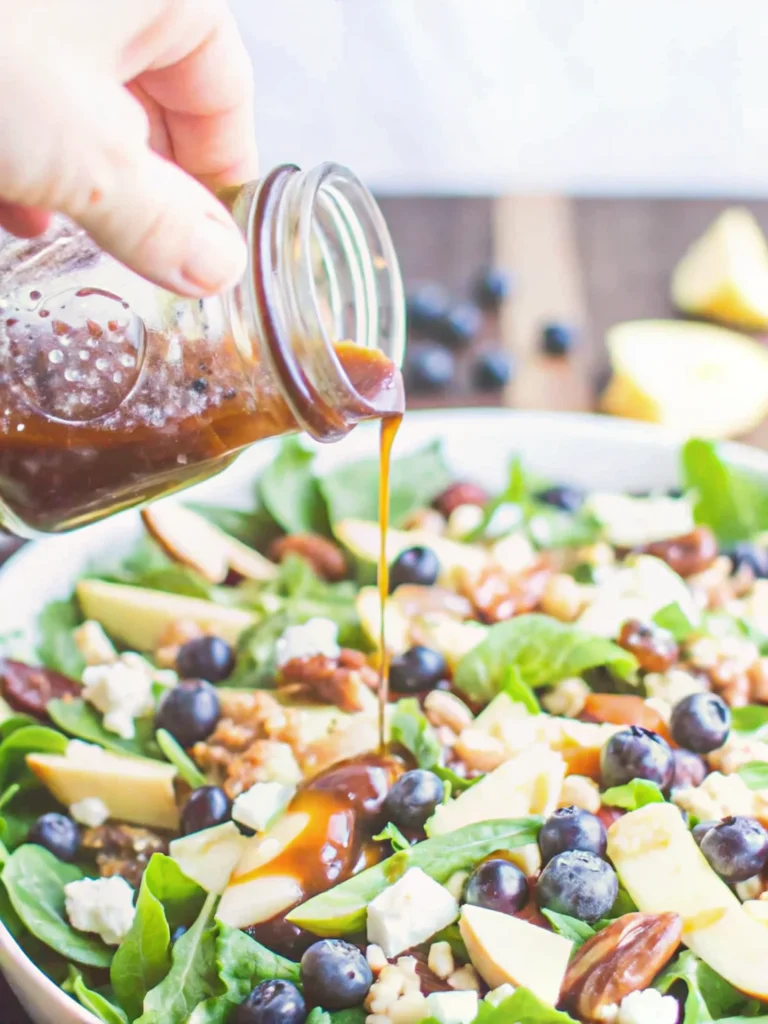
Classic Applications: Drizzle over mixed greens, arugula, or spinach salads. The dressing pairs beautifully with bitter greens, balancing their intensity with sweet and tangy notes.
Protein Pairings: Use as a marinade for grilled chicken, salmon, or tofu. The acidity tenderizes proteins while infusing flavor throughout.
Vegetable Enhancement: Toss with roasted vegetables like Brussels sprouts, carrots, or bell peppers for a glossy, flavorful finish.
Grain Bowl Booster: Add to quinoa, farro, or brown rice bowls for richness and cohesion between ingredients.
Cheese Board Companion: Serve alongside fresh mozzarella, burrata, or goat cheese for an elegant appetizer presentation.
Fruit Salad Twist: Lightly dress fruit salads featuring strawberries, peaches, or figs for an unexpected gourmet touch.
The 3:1 oil-to-vinegar ratio ensures the dressing complements rather than overwhelms delicate ingredients while providing enough body to coat heartier components effectively.
Common Mistakes to Avoid
Even experienced cooks can encounter challenges when preparing balsamic vinaigrette. Avoid these frequent pitfalls:
Adding Oil Too Quickly: Rushing the emulsification process results in separation. Always add oil in a thin, steady stream while whisking continuously.
Using Poor-Quality Ingredients: Cheap balsamic vinegar can be overly acidic and harsh. Invest in authentic balsamic vinegar from Modena for superior flavor.
Over-Whisking: Excessive whisking after emulsification can break the mixture. Stop once the dressing reaches a creamy consistency.
Incorrect Storage: Storing at room temperature can cause spoilage. Always refrigerate and use within one week for optimal flavor and safety.
Skipping the Tasting Step: Failing to adjust seasonings results in unbalanced flavor. Always taste and modify before serving.
Using Cold Ingredients: Cold oil and vinegar don’t emulsify as easily. Allow ingredients to reach room temperature for better results.
Understanding these common errors helps ensure consistent success with every batch of homemade balsamic dressing.
Storing Tips for the Recipe
Proper storage extends the life of your balsamic vinaigrette while maintaining optimal flavor and texture:
Short-Term Storage: Transfer to a glass jar with a tight-fitting lid and refrigerate for up to one week. Mason jars work perfectly for this purpose.
Separation Management: Natural separation is normal after storage. Shake vigorously or whisk briefly before each use to re-emulsify.
Make-Ahead Strategy: This dressing improves in flavor after 2-4 hours as ingredients meld together. Prepare in advance for dinner parties or meal prep.
Portion Control: Store in smaller containers to minimize air exposure and maintain freshness longer.
Temperature Considerations: Allow refrigerated dressing to come closer to room temperature before serving for optimal pourability and flavor release.
Freezing Guidelines: While not recommended due to texture changes, frozen vinaigrette can be used within three months if thawed slowly and re-emulsified.
Proper storage techniques ensure your homemade balsamic vinegar dressing maintains restaurant-quality taste throughout its storage life.
Conclusion
This exceptional balsamic vinaigrette recipe delivers restaurant-quality results through perfect ingredient balance and proper technique. The combination of honey’s sweetness, Dijon’s complexity, and premium balsamic vinegar creates a versatile dressing that transforms ordinary salads into memorable culinary experiences while providing superior nutrition compared to commercial alternatives.
Ready to elevate your salads and dishes? Try this recipe today and share your results in the comments below! Subscribe to our blog for more homemade dressing recipes and cooking tips that bring professional flavors to your home kitchen. Your taste buds will thank you for choosing fresh, wholesome ingredients over processed alternatives.
FAQs
Q: Can I make this balsamic vinaigrette in advance?
A: Absolutely! This dressing actually improves in flavor when made 2-4 hours ahead, allowing ingredients to meld together. Store refrigerated for up to one week and shake well before using.
Q: Why does my vinaigrette separate after storage?
A: Separation is completely normal and expected. The natural emulsion breaks down over time. Simply shake the jar vigorously or whisk briefly to re-emulsify before serving.
Q: Can I substitute regular vinegar for balsamic vinegar?
A: While possible, regular vinegar lacks balsamic’s complex sweetness and depth. If substituting, use red wine vinegar and add an extra teaspoon of honey to compensate for missing sweetness.
Q: Is it necessary to use Dijon mustard?
A: Dijon mustard serves as both an emulsifier and flavor enhancer. While you can omit it, the dressing won’t emulsify as well and will lack depth. Yellow mustard can substitute but will change the flavor profile.
Q: How can I make this dressing thicker?
A: For a thicker consistency, prepare the recipe in a blender or food processor. This creates a more stable, thicker emulsion, though the texture will be different from the hand-whisked version.
Q: What’s the best balsamic vinegar to use?
A: Choose authentic balsamic vinegar from Modena, Italy, for the best flavor. Avoid “balsamic-flavored” products, which often contain artificial ingredients and lack the complex sweetness of genuine balsamic vinegar.
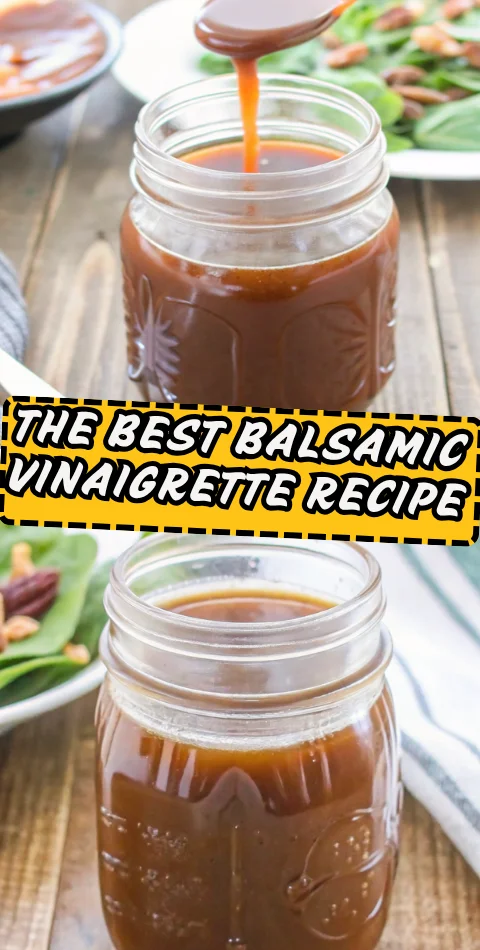
The Best Balsamic Vinaigrette Recipe
- Total Time: 5 minutes
- Yield: 1 cup (approx. 16 servings) 1x
Description
A perfectly balanced balsamic vinaigrette that’s sweet, tangy, and rich – better than store-bought and ready in just minutes.
Ingredients
- 2 tablespoons honey
- 1 tablespoon Dijon mustard
- 1/2 teaspoon fine sea salt
- 1/2 teaspoon freshly crushed black pepper, finely ground
- 1 large garlic clove, minced
- 1/4 cup balsamic vinegar
- 3/4 cup extra virgin olive oil
Instructions
- Clear a clean, flat surface and gather all ingredients. Choose a bowl with high sides to prevent splashing during whisking.
- In a small mixing bowl, whisk together the honey, balsamic vinegar, Dijon mustard, salt, pepper, and minced garlic. Whisk vigorously for 30-45 seconds until uniform and slightly frothy.
- Slowly drizzle in the extra virgin olive oil while whisking continuously. The mixture should thicken and become creamy.
- Continue whisking for 1-2 more minutes until fully emulsified and glossy. Add a teaspoon of water if too thick.
- Taste and adjust seasoning as needed with more honey, vinegar, or salt.
Notes
Use room-temperature ingredients for better emulsification. Store in a sealed jar in the refrigerator and shake before each use.
- Prep Time: 5 minutes
- Cook Time: 0 minutes
- Category: Salad Dressing
- Method: Whisked
- Cuisine: American
Nutrition
- Serving Size: 1 tablespoon
- Calories: 81kcal
- Sugar: 2g
- Sodium: 67mg
- Fat: 8g
- Saturated Fat: 1g
- Unsaturated Fat: 7g
- Trans Fat: 0g
- Carbohydrates: 2g
- Fiber: 0g
- Protein: 0g
- Cholesterol: 0mg
Keywords: balsamic vinaigrette, homemade dressing, salad dressing, vinaigrette recipe