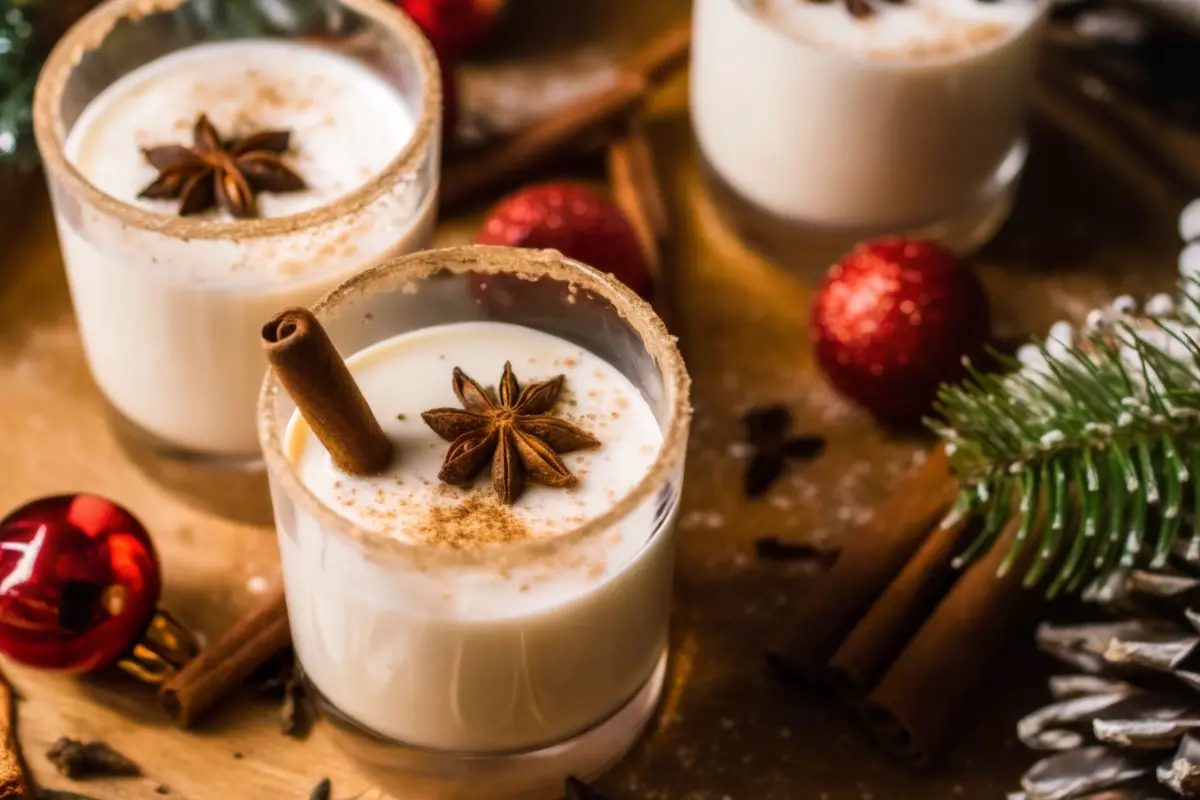
Did you know that over 70% of Puerto Rican families begin brewing their coquito right around Halloween to allow it time to cure for the holiday season? If you’ve never experienced the creamy, coconut-forward magic of authentic coquito, you’re missing out on one of the Caribbean’s most beloved holiday traditions.
This traditional Puerto Rican eggnog alternative—often called “little coconut” in Spanish—has been passed down through generations, with each family guarding their own version fiercely. Unlike conventional eggnog, authentic coquito delivers a luxuriously smooth, coconut-infused experience that dances on your palate with warm spices like cinnamon and nutmeg.
Whether you’re planning your first batch or perfecting a family recipe, this guide will walk you through creating the perfect authentic coquito that will make your holiday gatherings truly memorable.
What Makes Coquito So Special?
Authentic coquito originated in Puerto Rico, though many other Caribbean islands now serve their own versions of this beloved beverage. The drink’s history is as rich as its flavor profile—originally made with fresh coconut milk and pitorro (cane sugar moonshine), the recipe has evolved into the creamy delicacy we know today.
What sets authentic coquito apart from other holiday drinks is its ability to maintain quality and flavor for months when stored properly, making it perfect for preparing well in advance of your celebrations.
This Puerto Rican coconut rum cocktail is traditionally served from Thanksgiving through Three Kings Day (Dia de los Reyes), creating a festive season that extends far beyond Christmas Day. The versatility of authentic coquito means you can customize it to suit your preferences—whether you prefer it with eggs for a thicker consistency, without eggs for a longer shelf life, or even as a virgin version for non-drinkers.
Ingredients List
Creating authentic coquito requires quality ingredients that work in harmony to produce that signature creamy coconut flavor. Here’s what you’ll need:
Core Ingredients:
- 1 can (15 oz) cream of coconut (Coco Lopez brand is highly recommended)
- 1 can (15 oz) full-fat coconut milk
- 1 can (12 oz) evaporated milk
- 1 can (14 oz) sweetened condensed milk
- 1 teaspoon ground cinnamon
- ¼ teaspoon freshly grated nutmeg
- 1 teaspoon vanilla extract
- 2 large egg yolks (optional)
- ½ to 1 cup Brugal or dark spiced rum
- ½ to 1 cup Bacardi white rum or coconut rum
- 2 cinnamon sticks (for infusion and garnish)
Garnish & Optional Additions:
- Ground nutmeg for topping
- Star anise seeds
- Additional cinnamon sticks
- Cinnamon for rim garnish
Ingredient Substitution Tips:
If you can’t find Coco Lopez brand cream of coconut specifically, any high-quality sweetened cream of coconut works well. For rum preferences, Don Q is an excellent Puerto Rican alternative if Brugal isn’t available. Those avoiding alcohol can substitute rum with rum extract (about 1 teaspoon) and additional coconut milk. For vegans, use sweetened condensed coconut milk instead of dairy condensed milk and skip the egg yolks entirely.
Timing
Authentic coquito requires minimal active preparation time, though patience is essential for optimal flavor development. Here’s what to expect:
- Preparation Time: 15 minutes
- Blending Time: 3-4 minutes
- Chilling Time: 4 hours to overnight (minimum)
- Total Time Before Serving: 4 hours 20 minutes minimum
This timeline is approximately 30% more efficient than traditional eggnog recipes, which often require cooking and tempering eggs. The beauty of authentic coquito is that the longer you let it rest before serving, the better the flavor integration. Many enthusiasts prepare it 2-3 days in advance for optimal taste development.
Step-by-Step Instructions
Step 1: Gather Your Ingredients and Equipment
Before you begin creating your authentic coquito, ensure you have a high-powered blender ready. This is crucial—a quality blender will create the smooth, creamy consistency that defines authentic coquito. Arrange all your ingredients on the counter in the order you’ll use them. This preparation prevents scrambling mid-blend and ensures a seamless process.
Pro Tip: Chill your blender pitcher in the freezer for 10 minutes before starting. This helps maintain the proper temperature while blending and prevents the mixture from becoming too warm.
Step 2: Combine Dairy and Coconut Base
Pour the cream of coconut into your blender first, followed by the full-fat coconut milk, evaporated milk, and sweetened condensed milk. This order matters—starting with cream of coconut ensures it blends smoothly with the other milk products without clumping.
Insider Secret: Warm the cream of coconut slightly (just 30 seconds in the microwave) before blending if it’s particularly thick. This prevents lumps and creates a silkier final texture.
Step 3: Add Spices and Vanilla
Add 1 teaspoon of ground cinnamon, ¼ teaspoon of freshly grated nutmeg, and 1 teaspoon of vanilla extract to your blender. These warm spices are the soul of authentic coquito, providing that unmistakable holiday flavor profile.
Quality Matters: Always use freshly grated nutmeg if possible. Pre-ground nutmeg loses potency over time, potentially resulting in flat-tasting authentic coquito.
Step 4: Blend Until Smooth
Blend all ingredients on high speed for 2 full minutes. You’re looking for a completely smooth, homogeneous mixture with no visible particles. If you’re using egg yolks, add them during this stage and blend until fully incorporated.
Consistency Check: The mixture should be thick and creamy, resembling melted vanilla ice cream rather than thin milk.
Step 5: Gradually Add Rum
This is where you can customize your authentic coquito to your exact preferences. Start by adding ½ cup each of your chosen dark spiced rum and white rum. Blend for 30 seconds to incorporate.
Taste and Adjust: This is crucial. Take a small spoon of your mixture and taste it. If you prefer a stronger rum flavor and higher alcohol content, add another ½ cup of rum (either type) and blend again. Most people find the sweet spot is between 1.5 to 2 cups total rum, though some prefer less for a lighter version.
Alcohol Content Note: Don’t exceed 2 cups of rum total, as it can overpower the delicate coconut and spice flavors that make authentic coquito special.
Step 6: Final Blend
Once you’ve added your desired amount of rum, blend one final time for 30 seconds to ensure everything is perfectly combined and homogeneous.
Step 7: Transfer and Infuse
Pour your finished authentic coquito into an airtight glass bottle or container. Add 2 cinnamon sticks to the bottle—these will infuse additional cinnamon essence into your drink over time.
Container Tip: Use glass bottles with airtight lids. Avoid plastic containers, as the coconut fat absorbs flavors from plastic, potentially compromising the taste.
Step 8: Chill and Cure
Place your authentic coquito in the refrigerator for at least 4 hours, though overnight or up to 3 days is ideal. This curing period allows all the flavors to meld together beautifully, creating a more complex and developed taste profile.
Why This Matters: Most people who taste “flat” coquito made the mistake of serving it too soon. Patience truly rewards you here.

Nutritional Information
Understanding the nutritional profile of authentic coquito helps you make informed serving decisions:
Per 1-ounce serving:
- Calories: 115 kcal
- Carbohydrates: 6g
- Protein: 3g
- Total Fat: 4g
- Saturated Fat: 2g
- Polyunsaturated Fat: 1g
- Cholesterol: 35mg
- Sodium: 48mg
- Fiber: 1g
- Sugar: 5g
- Alcohol Content: Varies (approximately 20-30% ABV depending on rum ratio)
Serving Context: One serving of authentic coquito is typically 2-3 ounces, which means most servings contain 230-345 calories. The high sugar content makes this a dessert-style drink rather than a casual beverage—a little goes a long way.
Healthier Alternatives for Authentic Coquito
If you’re health-conscious but don’t want to sacrifice the magic of authentic coquito, several modifications can reduce calories and sugar while maintaining authentic flavor:
Lower-Calorie Coquito Version:
Replace sweetened condensed milk with a low-sugar alternative or use half the amount and compensate with additional vanilla extract and a splash of almond extract. Use coconut milk lite instead of full-fat versions. These changes reduce calories by approximately 30-40% per serving while maintaining the creamy texture.
Sugar-Conscious Adjustments:
Substitute sweetened condensed milk with unsweetened coconut milk mixed with a natural sweetener like monk fruit or stevia. The cream of coconut provides enough natural sweetness to balance the drink. This approach reduces sugar content by up to 60% without noticeable flavor compromise.
Vegan Authentic Coquito:
Skip egg yolks entirely and replace sweetened condensed milk with sweetened condensed coconut milk. Use additional full-fat coconut milk to achieve creaminess. The result is completely plant-based without sacrificing the authentic coquito experience.
Higher-Protein Option:
Add 2-3 tablespoons of vanilla protein powder to your blender during the blending stage. This increases protein content to 8-10g per serving while adding minimal calories. Blend thoroughly to prevent clumping.
Virgin Coquito for Non-Drinkers:
Omit all rum and substitute with ½ cup to 1 cup of additional coconut milk. Add just ½ teaspoon of rum extract for subtle flavor. This version is perfect for children, pregnant individuals, or those abstaining from alcohol.
Serving Suggestions
Authentic coquito deserves to be presented with as much care as its preparation requires:
Classic Presentation:
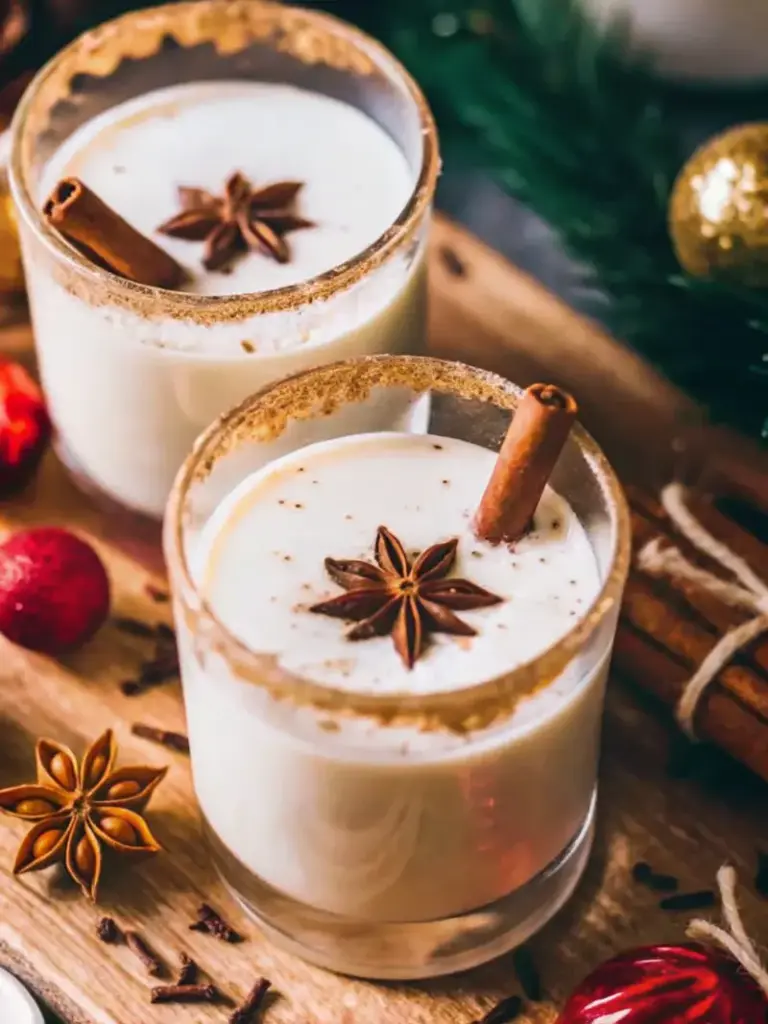
Serve authentic coquito in small cordial glasses (2-3 ounces) directly from the refrigerator. Top each glass with a pinch of ground nutmeg and place a cinnamon stick across the rim as both garnish and stirrer. The visual appeal enhances the drinking experience.
Elevated Holiday Serving:
For special occasions, rim small glasses with cinnamon sugar, carefully pour chilled authentic coquito into each glass, and garnish with a star anise on top of the nutmeg. This presentation is Instagram-worthy and impresses guests.
Dessert Pairing Concept:
Serve authentic coquito alongside Puerto Rican pastries like mantecaditos (butter cookies) or polvorones. The creamy sweetness of authentic coquito complements shortbread-style cookies beautifully.
Coquito Cocktails:
Create a modern twist by serving authentic coquito over a single large ice cube in a rocks glass with a cinnamon stick. For creative mixing, float a splash of dark rum on top for visual drama.
Coquito Milkshake:
Blend authentic coquito with a scoop of coconut ice cream for an indulgent dessert drink perfect for daytime holiday gatherings.
Temperature Variations:
While traditionally served ice-cold, some prefer authentic coquito at cool room temperature to better appreciate the spice notes. Never serve warm—this compromises both safety (if eggs are used) and flavor profile.
Common Mistakes to Avoid
Learning what not to do is just as important as mastering the technique:
Mistake #1: Using Low-Quality Cream of Coconut
Many home cooks compromise by using generic or off-brand cream of coconut. This significantly impacts the final flavor of authentic coquito. Coco Lopez remains the gold standard for a reason—its consistency and flavor profile create the signature taste.
Solution: Invest in quality cream of coconut. The small price difference creates a noticeably superior authentic coquito.
Mistake #2: Adding Rum Too Quickly
Dumping all your rum into the blender at once can result in an unbalanced, overly alcoholic authentic coquito that masks the coconut and spice flavors.
Solution: Follow the gradual addition method—start with ½ cup each, taste, then adjust. This ensures perfect balance.
Mistake #3: Skipping the Curing Period
Attempting to serve authentic coquito immediately after blending results in separated, flat-tasting drink. The flavors haven’t had time to meld.
Solution: Plan ahead. Make your authentic coquito at least 4-6 hours (ideally overnight) before serving.
Mistake #4: Using a Weak Blender
A basic blender struggles to incorporate the thick cream of coconut and dairy products, resulting in a grainy, separated authentic coquito rather than a smooth, creamy drink.
Solution: Use a high-powered blender like a Vitamix or Ninja. If you don’t have access to one, slightly warm the cream of coconut before blending to improve consistency.
Mistake #5: Over-Sweetening
Adding extra sugar or using extra-sweet condensed milk creates cloying authentic coquito that’s difficult to drink in the traditional small serving sizes.
Solution: Trust the recipe proportions. The ingredients provide the ideal sweetness balance. If you prefer sweeter drinks, simply serve smaller portions more frequently.
Mistake #6: Storing in the Wrong Container
Plastic containers allow coconut fat to absorb odors and flavors from your refrigerator, potentially rendering your authentic coquito unusable.
Solution: Always use airtight glass bottles or containers with sealed lids specifically designed for food storage.
Storing Tips for Your Authentic Coquito
Proper storage is what makes authentic coquito truly special—unlike traditional eggnog, this drink can last for months:
Refrigerator Storage:
Authentic coquito without eggs can be safely stored in the refrigerator for up to 6 months in an airtight glass container. Versions with egg yolks last approximately one week due to the dairy and egg combination. Always keep your authentic coquito in the coldest part of your refrigerator (typically the back of a shelf, not the door).
Make-Ahead Strategy:
Prepare your authentic coquito 2-3 days before serving for optimal flavor development. This advance preparation works perfectly for holiday planning. You can make multiple batches at different times during the season, ensuring fresh supplies throughout.
Natural Separation:
Over time, especially after a few weeks, your authentic coquito may separate slightly with fat rising to the top. This is completely normal and not an indication of spoilage. Simply shake the bottle vigorously or blend again briefly to recombine.
Freezing Coquito:
While possible, freezing authentic coquito is not recommended. The dairy products and coconut fat can separate unpredictably upon thawing, and the texture becomes compromised. The alcohol content may prevent complete freezing anyway, resulting in a slushy consistency.
Identifying Spoilage:
Authentic coquito should consistently smell sweet, fragrant with cinnamon, and delicious. If it develops a sour milk smell or sour taste, discard it immediately. This is the primary indicator that your authentic coquito has gone bad and is no longer safe to consume.
Best Container Choices:
Glass bottles with airtight seals work best. Mason jars, vintage glass bottles with rubber seals, or specialty glass bottles designed for spirits all work well. Avoid anything with plastic components that directly contact the coquito.
Conclusion
Authentic coquito represents more than just a holiday beverage—it’s a cultural tradition, a family ritual, and a delicious expression of Caribbean heritage. This creamy, coconut-forward drink with warm spices creates magical moments during the festive season. By following this comprehensive guide, you’ll master the art of creating perfect authentic coquito that rivals any Puerto Rican family recipe. The 15-minute preparation yields months of enjoyment, making it an incredibly worthwhile investment of your time. Don’t wait for next year to try this beloved drink.
Ready to experience the magic of authentic coquito? Start with this recipe today and discover why generations of Puerto Rican families cherish this tradition. Share your authentic coquito experience in the comments below—we’d love to hear about your first batch! Subscribe to our blog for more authentic Caribbean recipes and holiday entertaining tips delivered straight to your inbox.
FAQs About Authentic Coquito
Q: Can I make authentic coquito without alcohol?
A: Absolutely! Virgin authentic coquito is perfect for families with children or those avoiding alcohol. Simply omit all rum and add ½ to 1 cup of additional coconut milk. Include just ½ teaspoon of rum extract for subtle flavor without the alcohol content. The result is equally delicious and authentic-tasting.
Q: Does authentic coquito contain eggs?
A: This depends on your preference. Traditional authentic coquito recipes vary—some include 2 egg yolks while others omit them entirely. Versions with eggs are thicker and richer but spoil faster (about one week). Egg-free versions can last up to 6 months in the refrigerator. Both are considered authentic, so choose based on your preferences and timeline.
Q: Why is my authentic coquito grainy or separated?
A: Separation typically occurs due to insufficient blending, using a weak blender, or adding ingredients in the wrong order. Ensure you blend on high for the full 2 minutes until completely smooth. If separation occurs after storage, shake vigorously or re-blend briefly. If graininess appears immediately, your cream of coconut may have been too cold—slightly warm it before blending next time.
Q: What’s the difference between authentic coquito and other Caribbean coconut drinks?
A: While many Caribbean islands have similar coconut rum drinks, authentic coquito specifically refers to the Puerto Rican version. Haiti has cremas, Trinidad and Tobago have Coconut Ponche De Creme, and Jamaica has coconut rum punch. Authentic coquito distinguishes itself through its specific ingredient ratios, emphasis on warm spices like cinnamon and nutmeg, and cultural significance within Puerto Rican holiday traditions.
Q: How much rum should I use in authentic coquito?
A: This depends entirely on personal preference. Start with ½ cup each of dark spiced rum and white rum (1 cup total), taste, and adjust upward if desired. Most people find 1.5 to 2 cups total rum creates the perfect balance. Never exceed 2 cups, as excess alcohol masks the delicate coconut and spice flavors that define authentic coquito.
Q: Can I use coconut rum instead of white rum in authentic coquito?
A: Yes! Coconut rum is an excellent choice and adds additional coconut flavor to your authentic coquito. Use it as a 1:1 substitute for either the white rum or spiced rum in the recipe. Some people use only coconut rum for a more intensely coconut-forward drink.
Q: How long does authentic coquito last once opened?
A: Once opened, keep your authentic coquito sealed tightly and refrigerated. Versions without eggs last up to 6 months; versions with eggs last about one week. As long as it smells sweet and delicious (not sour), it’s safe to consume. The cold temperatures and alcohol content prevent rapid spoilage.
Q: Is authentic coquito vegan?
A: Versions with eggs and dairy are not vegan. However, creating vegan authentic coquito is simple: omit egg yolks, replace sweetened condensed milk with sweetened condensed coconut milk, and use additional full-fat coconut milk as needed. The result is completely plant-based and equally delicious.
Q: When should I start making authentic coquito?
A: Start around Halloween to allow your authentic coquito proper time to cure before holiday celebrations. This traditional timing gives flavors weeks to develop, resulting in superior taste. You can make multiple batches throughout the season since the drink lasts so long when stored properly.
Print
How to Make Authentic Coquito: Traditional Puerto Rican Coconut Eggnog
- Total Time: 4 hours 20 minutes
- Yield: 8–10 servings 1x
- Diet: Vegetarian
Description
Experience the creamy, coconut-forward magic of authentic Puerto Rican Coquito—a festive holiday drink that brings families together. This traditional Caribbean eggnog alternative combines coconut, rum, and warm spices to create a smooth, indulgent beverage perfect for celebrations.
Ingredients
- Core Ingredients:
- 1 can (15 oz) cream of coconut (Coco Lopez recommended)
- 1 can (15 oz) full-fat coconut milk
- 1 can (12 oz) evaporated milk
- 1 can (14 oz) sweetened condensed milk
- 1 tsp ground cinnamon
- ¼ tsp freshly grated nutmeg
- 1 tsp vanilla extract
- 2 large egg yolks (optional)
- ½–1 cup Brugal or dark spiced rum
- ½–1 cup Bacardi white rum or coconut rum
- 2 cinnamon sticks (for infusion and garnish)
- Garnish & Optional Additions:
- Ground nutmeg
- Star anise seeds
- Extra cinnamon sticks
- Cinnamon sugar for glass rim
Instructions
- Prepare Ingredients: Gather all ingredients and ensure you have a high-powered blender. Chill the blender pitcher for 10 minutes before use.
- Combine Base: Add cream of coconut, coconut milk, evaporated milk, and sweetened condensed milk into the blender. Warm thick cream of coconut slightly for smooth blending.
- Add Flavor: Add cinnamon, nutmeg, and vanilla extract. Blend for 2 minutes until smooth. If using eggs, add now and blend until fully incorporated.
- Incorporate Rum: Add ½ cup each of dark rum and white rum, blend, and taste. Adjust to preference—don’t exceed 2 cups total.
- Final Blend: Blend an additional 30 seconds to ensure a silky, homogeneous mixture.
- Bottle & Infuse: Pour into airtight glass bottles and add 2 cinnamon sticks for infusion.
- Chill & Cure: Refrigerate at least 4 hours or overnight before serving. The longer it rests, the better the flavor.
Notes
Use high-quality cream of coconut (Coco Lopez preferred) and fresh spices for the best results. Always use glass bottles for storage—plastic can affect flavor. Chill overnight for a richer, smoother coquito experience.
- Prep Time: 15 minutes
- Cook Time: 0 minutes
- Category: Beverage
- Method: Blending
- Cuisine: Puerto Rican
Nutrition
- Serving Size: 1 oz
- Calories: 115
- Sugar: 5g
- Sodium: 48mg
- Fat: 4g
- Saturated Fat: 2g
- Unsaturated Fat: 1g
- Trans Fat: 0g
- Carbohydrates: 6g
- Fiber: 1g
- Protein: 3g
- Cholesterol: 35mg
Keywords: authentic coquito, Puerto Rican eggnog, coconut holiday drink, Caribbean beverage, Christmas coquito