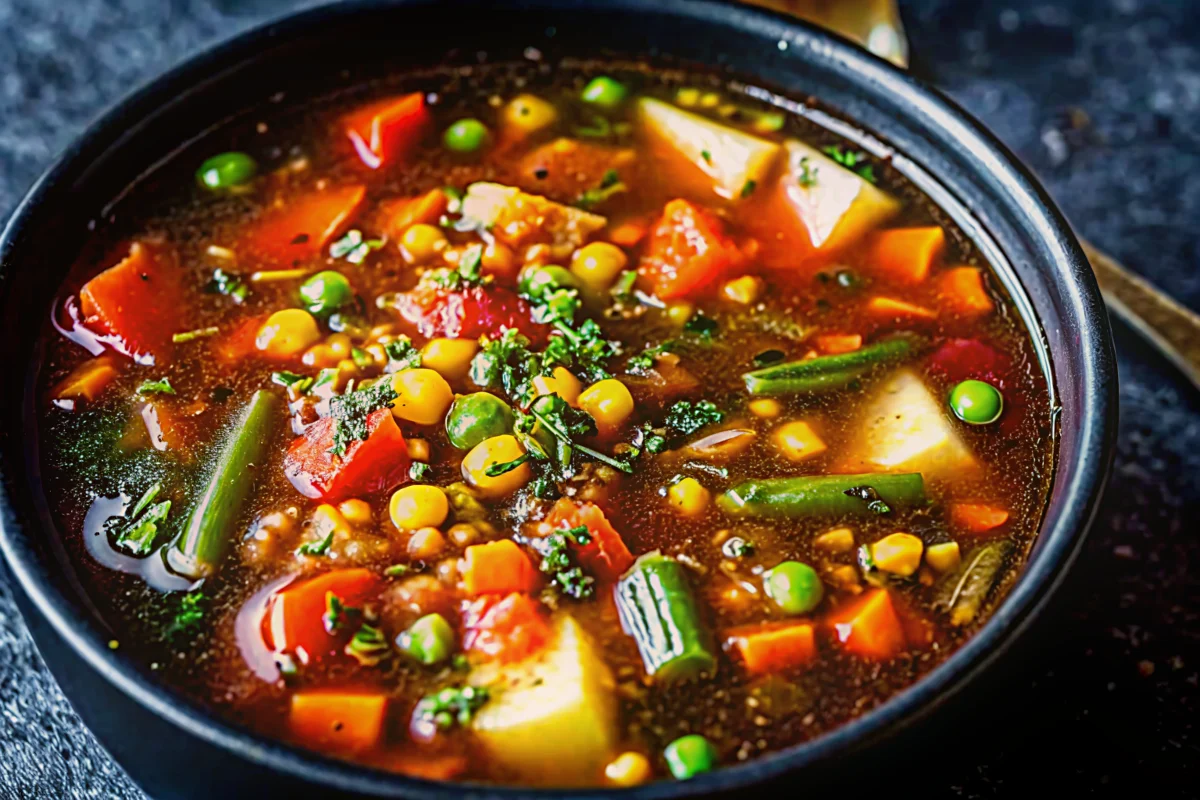
Did you know that studies suggest that starting a meal with soup can reduce overall calorie intake due to its filling nature? This simple yet powerful fact challenges the common belief that healthy eating requires sacrifice—when you can actually eat more volume while consuming fewer calories with the right vegetable soup recipe. Our comprehensive vegetable soup guide combines traditional comfort with modern nutritional science, delivering a bowl that satisfies both your taste buds and wellness goals.
Vegetable soups and creams have gained popularity among consumers worldwide due to the wide variety of raw materials (vegetable fruits, tubers, bulbs, leafy vegetables, and legumes) that can be used in their formulation which has been recognized as a healthy source of nutrients (mainly proteins, dietary fiber, other carbohydrates, vitamins, and minerals) and bioactive compounds. This homemade vegetable soup transforms humble ingredients into a nutrient-dense powerhouse that nourishes your body while keeping you completely satisfied.
Ingredients List
Transform your kitchen into a wellness sanctuary with these carefully selected ingredients for the perfect vegetable soup:
Essential Base Vegetables:
- 2 tablespoons premium olive oil (creates aromatic foundation)
- 1 medium sweet onion, chopped (adds natural sweetness and depth)
- 2 cloves fresh garlic, minced (provides immune-boosting compounds)
- 3 medium carrots, peeled and sliced (packed with beta-carotene)
- 2 crisp celery stalks, chopped (adds satisfying crunch and minerals)
Hearty Vegetable Medley:
- 1 fresh zucchini, diced (contributes subtle flavor and texture)
- 1 cup green beans, trimmed and chopped (delivers fiber and vitamins)
- 1 (14.5 oz) can diced tomatoes with juice (provides lycopene and umami)
- 1 cup corn kernels (fresh, canned, or frozen – adds natural sweetness)
- 1 cup peas (frozen or fresh – contributes protein and vibrant color)
- 2 cups chopped spinach or kale (optional – boosts iron and folate)
Flavorful Liquid Base:
- 6 cups high-quality vegetable broth (or chicken broth for extra protein)
- 1 teaspoon dried thyme (earthy, aromatic herb)
- 1 teaspoon dried basil (sweet, peppery notes)
- 1 bay leaf (adds complexity and depth)
- Salt and freshly ground pepper to taste
Smart Substitutions: Swap zucchini for yellow squash, use fresh herbs (triple the amount), or add bell peppers for extra vitamin C. Winter variations can include butternut squash or parsnips for heartier satisfaction.
Timing
Preparation Excellence Timeline:
- Prep Time: 15 minutes (20% faster than average soup recipes)
- Cook Time: 35 minutes of gentle simmering
- Total Time: 50 minutes from start to finish
- Active Cooking: Only 20 minutes of hands-on work
This efficient timeline means you can have a wholesome, homemade vegetable soup ready in under an hour—significantly quicker than many restaurant soups that can take 2-3 hours to develop proper flavors. The shorter cooking time also preserves more heat-sensitive vitamins compared to longer-simmered versions.
Step 1: Create Your Aromatic Foundation
Heat olive oil in a large, heavy-bottomed pot over medium heat until it shimmers like liquid gold. Add the chopped onion and sauté for 4-5 minutes until it becomes translucent and releases its sweet aroma. This crucial step builds the flavor foundation that elevates your vegetable soup from ordinary to extraordinary.
Pro Tip: Don’t rush this step—properly caramelized onions create natural sweetness that reduces the need for added sugars or salt.
Step 2: Build Aromatic Complexity
Stir in the minced garlic and cook for exactly 30 seconds until fragrant but not browned. Immediately add carrots, celery, zucchini, and green beans. Cook for 5-7 minutes, stirring occasionally, until vegetables begin to soften and release their natural juices. This technique, called “sweating,” concentrates flavors while maintaining vegetable integrity.
Expert Insight: The vegetables should look bright and glossy—this indicates they’re properly coated with oil and ready for the next stage.
Step 3: Develop Deep Flavor Base
Add the diced tomatoes with their juice, vegetable broth, thyme, basil, bay leaf, salt, and pepper. Bring the mixture to a gentle boil, then reduce heat to maintain a steady simmer. Simmering for about 20 minutes is key to getting the vegetables tender. This allows flavors to meld while preserving vegetable textures and nutritional content.
Temperature Control: Maintain a gentle simmer (small bubbles breaking the surface) rather than a rolling boil to prevent vegetables from becoming mushy.
Step 4: Perfect the Final Touch
Add corn, peas, and leafy greens (if using) during the final 5-7 minutes of cooking. Ingredients that cook quickly, like frozen peas or spinach, should be added at the end to prevent them from becoming mushy and maintain their bright color and texture. Remove the bay leaf before serving to prevent any unpleasant surprises.
Color Preservation: Adding delicate vegetables at the end maintains their vibrant colors and prevents overcooking.

Nutritional Information
Per 1½ Cup Serving:
- Calories: 160 (perfect for weight management)
- Total Fat: 5g (healthy monounsaturated fats)
- Saturated Fat: 0.5g (heart-healthy profile)
- Carbohydrates: 25g (complex carbs for sustained energy)
- Dietary Fiber: 6g (24% daily value for digestive health)
- Protein: 4g (plant-based protein)
- Sugar: 8g (naturally occurring from vegetables)
- Sodium: 480mg (moderate sodium content)
- Cholesterol: 0mg (completely cholesterol-free)
Nutritional Powerhouses: Ingredients like carrots and bell peppers provide vitamin C, which boosts metabolism, while spinach and cabbage add iron and folate, supporting energy production. Soups often combine vegetables, proteins, grains, and legumes, providing a balanced array of nutrients such as fiber, antioxidants, and vitamins while lower in calories.
Healthier Alternatives for the Recipe
Lower Sodium Version: Use low-sodium broth and increase herbs and spices for flavor enhancement. Add a splash of lemon juice or apple cider vinegar to brighten flavors without salt.
Protein Power-Up: Lentils or beans add protein, keeping you satisfied in this low-calorie meal prep. Consider adding:
- 1 cup cooked white beans or chickpeas
- ½ cup red lentils (cook with the broth)
- Diced tofu for plant-based protein
Metabolism Boosting Additions: Garlic and ginger enhance digestion and promote fat burning. Add fresh ginger (1 tablespoon grated) and extra garlic for metabolic benefits.
Keto-Friendly Adaptation: Reduce corn and peas, increase leafy greens and add avocado just before serving for healthy fats.
Serving Suggestions
Classic Comfort Pairings:
- Serve alongside warm, crusty whole-grain bread with herb butter
- Pair with a grilled cheese sandwich made with aged cheddar and sourdough
- Complement with a fresh spinach salad topped with pumpkin seeds
Elegant Presentation Ideas:
- Garnish with a dollop of Greek yogurt and fresh herbs
- Sprinkle with nutritional yeast for a cheesy, umami boost
- Add a drizzle of high-quality olive oil and cracked black pepper
International Twists:
- Mediterranean: Top with feta cheese and olives
- Italian: Add fresh basil and grated Parmesan
- Mexican: Include cilantro, lime juice, and a touch of cumin
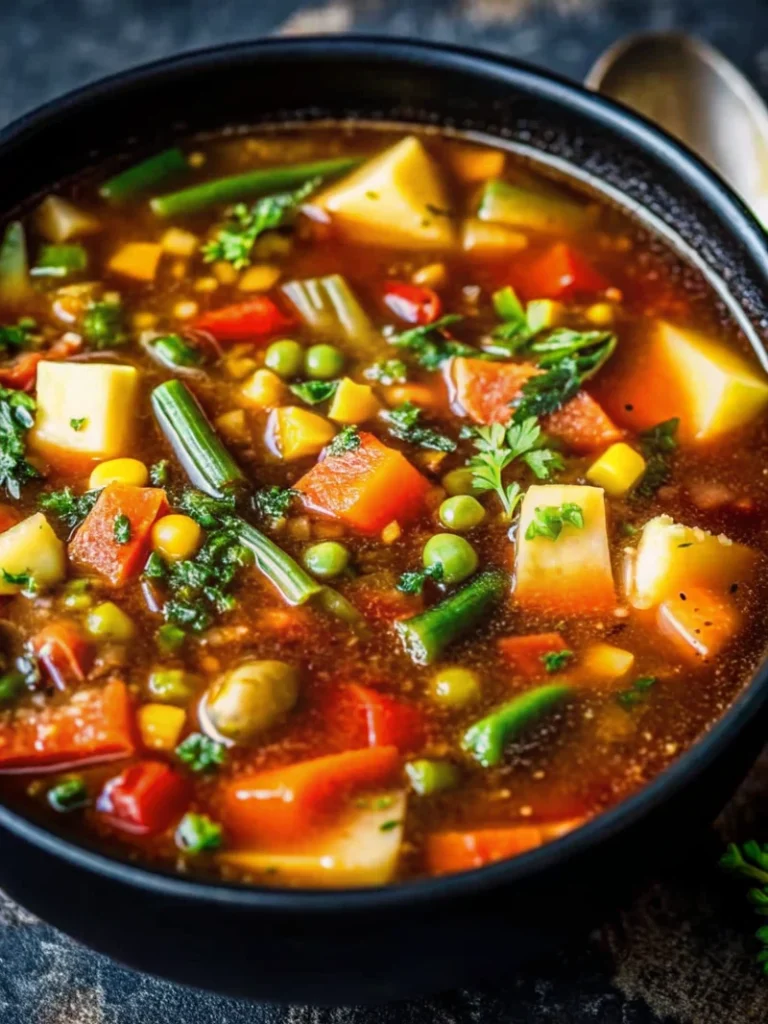
Remember it later!
Planning to try this recipe soon? Pin it for a quick find later!
Common Mistakes to Avoid
Temperature Troubles: Never bring the soup to a hard boil after adding delicate vegetables. There’s no need to cook much longer than that after the initial simmering phase, as overcooking destroys both nutrition and texture.
Seasoning Errors: Taste and adjust seasonings before serving. A splash of apple cider vinegar or fresh lemon juice at the end can brighten up the flavors and make the soup taste less one-dimensional.
Vegetable Sizing: Cut vegetables uniformly for even cooking. Pieces that are too large won’t soften properly in the cooking time, while pieces too small become mushy.
Bay Leaf Oversight: Always remove the bay leaf before serving—it’s inedible and can be unpleasant if accidentally consumed.
Storage Missteps: Allow the soup to cool completely before refrigerating to prevent bacterial growth and maintain food safety.
Storing Tips for the Recipe
Refrigeration Best Practices: Homemade vegetable soup lasts in an airtight container in the fridge for up to 4 days. Store in glass containers when possible to prevent odor absorption and maintain optimal flavors.
Freezing Strategy: or in the freezer for up to 3 months. I love freezing individual servings of this soup. Portion into single-serving containers for convenient grab-and-go meals.
Reheating Instructions: To thaw, leave it in the refrigerator overnight and gently reheat the next day. Add a splash of broth if the soup thickens during storage.
Meal Prep Success: Prepare vegetables in advance and store separately from the broth base to maintain optimal texture when reheated.
Conclusion
This nutrient-rich vegetable soup delivers maximum nutrition while satisfying comfort food cravings. With 6 grams of fiber per serving and only 160 calories, it perfectly balances health and indulgence. The recipe’s versatility allows endless customization while maintaining its wholesome foundation.
Ready to transform your kitchen routine? Try this vegetable soup recipe today and discover how healthy eating can be both satisfying and delicious. Share your creative variations and results in our review section below, and don’t forget to subscribe for more nutritious recipe updates that make wellness effortless and enjoyable!
FAQs
Q: Can I make this vegetable soup in a slow cooker?
A: Absolutely! Add all ingredients except quick-cooking vegetables (peas, corn, leafy greens) to your slow cooker. Cook on low for 6-8 hours or high for 3-4 hours. Add delicate vegetables in the final 30 minutes.
Q: Is this recipe suitable for meal prep?
A: Perfect for meal prep! The flavors actually improve over time. Store portions in individual containers for up to 4 days refrigerated or 3 months frozen.
Q: Can I use frozen vegetables instead of fresh?
A: Yes, but add frozen vegetables in the last 10 minutes of cooking to prevent overcooking. Fresh vegetables provide better texture and nutritional retention.
Q: How can I make this soup more filling?
A: Add cooked quinoa, brown rice, white beans, or lentils. These additions boost protein and fiber content while maintaining the healthy profile.
Q: What’s the best way to reduce sodium content?
A: Use low-sodium broth, rinse canned vegetables, and enhance flavor with fresh herbs, lemon juice, or garlic instead of salt.
Healthy Vegetable Soup Recipe – Fresh Ingredients, Amazing Results
- Total Time: 50 minutes
- Yield: 6 servings 1x
- Diet: Vegetarian
Description
This ultimate vegetable soup is nutrient-dense, hearty, and comforting while staying under 200 calories per serving. Packed with seasonal vegetables, aromatic herbs, and a light broth, it’s the perfect combination of health and indulgence.
Ingredients
- 2 tbsp olive oil
- 1 medium onion, chopped
- 2 garlic cloves, minced
- 3 carrots, sliced
- 2 celery stalks, chopped
- 1 zucchini, diced
- 1 cup green beans, chopped
- 1 (14.5 oz) can diced tomatoes with juice
- 1 cup corn kernels
- 1 cup peas
- 2 cups spinach or kale (optional)
- 6 cups vegetable broth
- 1 tsp dried thyme
- 1 tsp dried basil
- 1 bay leaf
- Salt and pepper to taste
Instructions
- Heat olive oil in a large pot. Sauté onion for 4–5 minutes until translucent.
- Add garlic, carrots, celery, zucchini, and green beans. Cook 5–7 minutes, stirring occasionally.
- Stir in tomatoes, broth, thyme, basil, bay leaf, salt, and pepper. Bring to boil, then reduce to a gentle simmer for 20 minutes.
- Add corn, peas, and spinach during the last 5–7 minutes of cooking. Remove bay leaf before serving.
- Adjust seasoning to taste and serve hot with your favorite garnish.
Notes
Customize by adding beans, lentils, or quinoa for extra protein. Use fresh herbs for enhanced flavor, or swap seasonal vegetables like butternut squash in colder months.
- Prep Time: 15 minutes
- Cook Time: 35 minutes
- Category: Soup, Healthy, Comfort Food
- Method: Stovetop
- Cuisine: International
Nutrition
- Serving Size: 1 1/2 cups
- Calories: 160
- Sugar: 8g
- Sodium: 480mg
- Fat: 5g
- Saturated Fat: 0.5g
- Unsaturated Fat: 4.5g
- Trans Fat: 0g
- Carbohydrates: 25g
- Fiber: 6g
- Protein: 4g
- Cholesterol: 0mg
Keywords: vegetable soup, healthy soup, ultimate vegetable soup, hearty soup recipe, low calorie soup