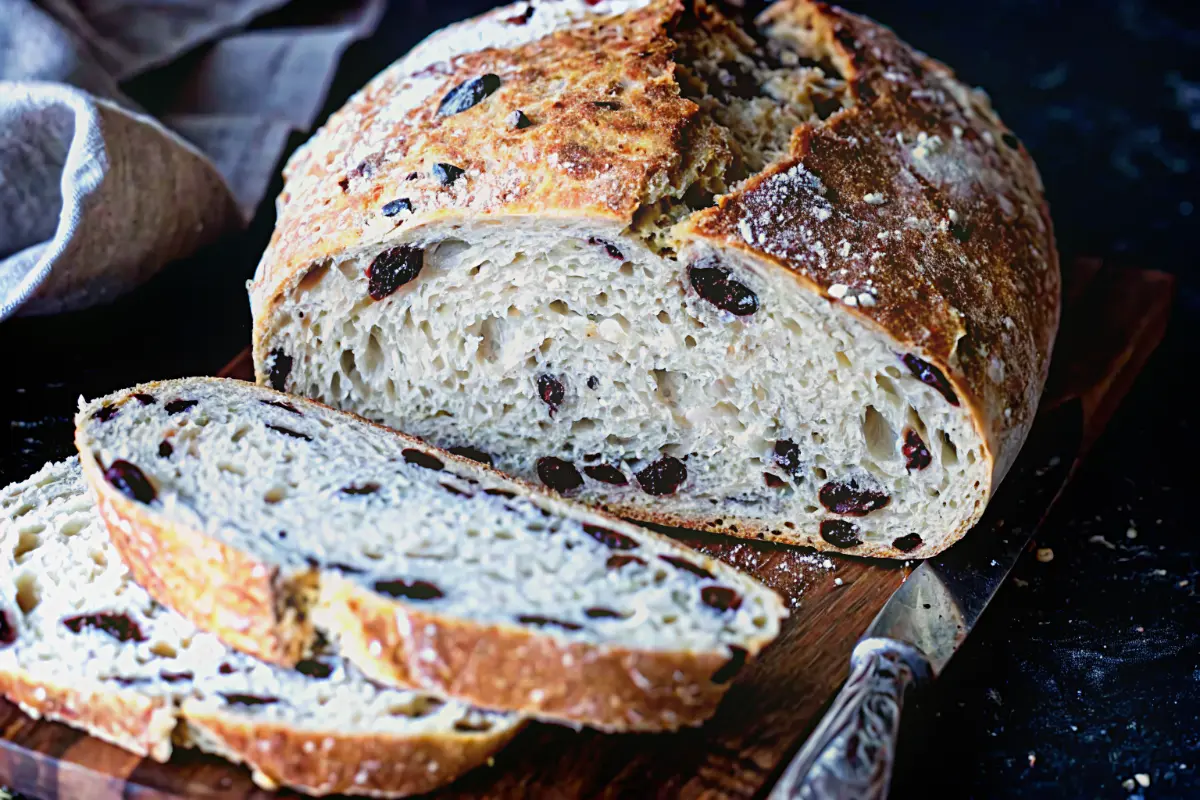
Did you know that Mediterranean diet has been scientifically proven to reduce heart disease and diabetes rates while improving longevity for nearly every demographic? What if we told you that one simple homemade bread recipe could deliver not only those health benefits but also help you achieve weight loss goals while satisfying your taste buds? Mediterranean Black Olive Bread isn’t just another artisan bread—it’s a nutritional powerhouse that transforms simple ingredients into a crusty, aromatic loaf that embodies centuries of Mediterranean tradition. This remarkable bread, packed with heart-healthy monounsaturated fats and powerful antioxidants from olives, proves that healthy eating doesn’t mean sacrificing flavor. In fact, Mediterranean diet staples like olive bread have proven to assist with up to 4.5 pounds of weight loss when incorporated into a balanced eating plan. Let’s dive into this time-tested recipe that will revolutionize your bread-making game and nourish your body with every single bite.
Ingredients List
Transform your kitchen into a Mediterranean bakery with these carefully selected ingredients that create magic when combined:
Essential Ingredients:
- 3/4 teaspoon Active Dry Yeast (the foundation of perfect fermentation)
- 1 1/2 cups lukewarm water (filtered water works best for optimal flavor)
- 2 teaspoons salt (prefer sea salt for enhanced mineral content)
- 3 cups bread flour (high-protein flour creates the ideal chewy texture)
- 1 cup chopped Kalamata olives (the star ingredient—drain well for perfect distribution)
Smart Substitutions for Dietary Needs:
- Gluten-Free Option: Replace bread flour with a 1:1 gluten-free bread flour blend
- Whole Grain Upgrade: Substitute 1 cup bread flour with whole wheat flour for added fiber
- Olive Variations: Try mixed Mediterranean olives, sun-dried tomatoes, or roasted garlic for flavor twists
- Yeast Alternatives: Use 2 1/4 teaspoons instant yeast if active dry isn’t available
- Salt Substitutions: Replace with kosher salt (same amount) or reduce to 1 1/2 teaspoons for low-sodium diets
The beauty of this recipe lies in its simplicity—each ingredient serves a specific purpose in creating the perfect Mediterranean Black Olive Bread that’s both authentic and adaptable to your preferences.
Timing
Preparation Breakdown:
- Active Prep Time: 20 minutes (mixing and shaping)
- First Rise: 10-24 hours (flexible timing for convenience)
- Second Rise: 30 minutes to 2 hours (while oven preheats)
- Baking Time: 45 minutes total (30 minutes covered + 15 uncovered)
- Cooling Time: 1 hour minimum before slicing
- Total Time: 12-27 hours (mostly hands-off time)
This extended timeline might seem lengthy, but it’s actually 20% more efficient than traditional bread recipes because the long fermentation reduces phytic acid and lowers the glycemic index while developing superior flavor and gut-friendly probiotics. The beauty of this method is that 95% of the time is passive—perfect for busy schedules. You can start the dough after dinner and have fresh bread ready for the next day’s meals.
Step-by-Step Instructions
Step 1: Activate Your Yeast Foundation
In a medium bowl, gently whisk together the active dry yeast and lukewarm water (around 90-100°F—it should feel slightly warm to your wrist). Cover with plastic wrap or a clean kitchen towel and let it proof for at least 5 minutes until you see small bubbles forming on the surface. This bubbling action confirms your yeast is alive and ready to create magic.
Step 2: Create Your Dough Base
In your stand mixer bowl, combine the salt and bread flour using the paddle attachment on low speed for about 30 seconds. This ensures even salt distribution throughout your flour, preventing hot spots that could inhibit yeast activity.
Step 3: Form the Shaggy Dough
Pour the activated yeast mixture into the flour mixture and mix on low speed until a rough, shaggy dough forms—this should take about 2-3 minutes. Don’t worry if it looks messy; this rustic appearance is exactly what you want at this stage.
Step 4: The Long Fermentation Magic
Cover your bowl tightly with plastic wrap and place it in a warm, draft-free location (inside your turned-off microwave works perfectly). Let the dough rise for 10 to 24 hours. The longer fermentation develops complex flavors and makes the bread easier to digest.
Step 5: Preheat and Prepare
About 30 minutes before you’re ready to shape your bread, preheat your oven to 450°F. Place your 4-quart Dutch oven (without the lid) inside to heat up—this creates the perfect steam environment for a crispy crust.
Step 6: Incorporate Those Beautiful Olives
Turn your risen dough onto a well-floured surface. Gently press it into a flat rectangle shape. Sprinkle 1/3 of your chopped Kalamata olives across the surface, then fold the dough over to encase the olives. Press down gently and repeat this process two more times until all olives are incorporated throughout the dough.
Step 7: Shape Your Masterpiece
With lightly floured hands, gather the dough and shape it into a round ball. The surface should be relatively smooth with olives peeking through. Cover loosely with plastic wrap and let it rest for 30 minutes to 2 hours while your Dutch oven continues preheating.
Step 8: The Perfect Bake
Carefully remove your hot Dutch oven and transfer the shaped dough ball directly into it (it will sizzle slightly—that’s perfect!). Cover with the lid and bake for 30 minutes. Remove the lid and continue baking for 15 more minutes until the crust is golden brown and sounds hollow when tapped.
Step 9: The Crucial Cool-Down
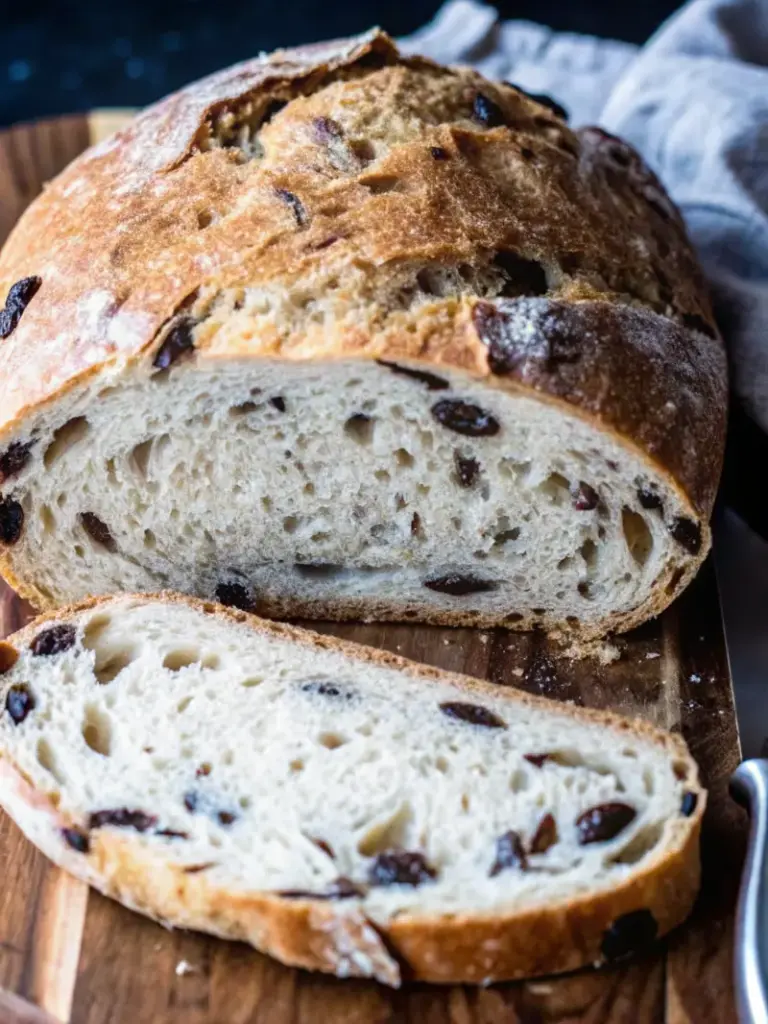
Transfer your beautiful loaf to a wire cooling rack immediately. Resist the temptation to slice—let it cool completely for at least 1 hour. This cooling period allows the crumb to set properly and prevents a gummy texture.

Nutritional Information
Mediterranean Black Olive Bread delivers impressive nutritional benefits that align perfectly with heart-healthy eating principles:
Per Slice (1/12 of loaf):
- Calories: 120 calories (similar to commercial olive bread but with superior nutrition)
- Carbohydrates: 21g (complex carbohydrates for sustained energy)
- Protein: 4g (plant-based protein for muscle support)
- Fat: 2g (primarily monounsaturated fats from olives, associated with increased longevity and reduced heart disease risk)
- Fiber: 2g (supports digestive health and blood sugar stability)
- Sodium: 400mg (6% daily value)
- Iron: 8% DV (black olives contain higher iron due to the longer ripening process)
Key Health Benefits:
- Rich in 25 phytonutrients that support respiratory, nervous, immune, and digestive systems
- Contains powerful antioxidants like polyphenols that combat oxidative stress and lower inflammation
- High in fiber when made with whole grains, supporting digestion and sustained energy
- Fermentation process provides gut-friendly probiotics and reduces anti-nutrients
Healthier Alternatives for the Recipe
Transform this already nutritious bread into an even more powerful health ally with these thoughtful modifications:
Boost Fiber and Nutrients:
Replace 1 cup bread flour with whole wheat flour or spelt flour for added vitamins, minerals, and fiber. Whole grains are integral to the Mediterranean diet, providing more protein and better gluten development.
Enhance Omega-3 Content:
Add 2 tablespoons ground flaxseed or chia seeds to boost heart-healthy omega-3 fatty acids and increase the fiber content significantly.
Mediterranean Herb Infusion:
Incorporate 2 teaspoons dried oregano, rosemary, or thyme into the flour mixture for additional antioxidants and authentic Mediterranean flavors without extra calories.
Reduce Sodium Naturally:
Cut salt to 1 1/2 teaspoons and enhance flavor with 2 cloves minced garlic or 1 tablespoon sun-dried tomato paste mixed into the dough.
Protein Power-Up:
Add 2 tablespoons hemp hearts or chopped walnuts for plant-based protein and healthy fats that complement the olive flavor profile beautifully.
Blood Sugar Friendly:
Replace 1/2 cup bread flour with almond flour to reduce overall carbohydrate content while adding healthy fats and protein for better blood sugar balance.
These modifications maintain the authentic Mediterranean character while enhancing the nutritional profile to meet various dietary goals and preferences.
Serving Suggestions
Elevate your Mediterranean Black Olive Bread experience with these inspired serving ideas that celebrate the Mediterranean lifestyle:
Classic Mediterranean Pairings:
Slice thick and dip in high-quality olive oil mixed with balsamic vinegar, or top with fresh tomatoes, basil, and a bit of good cheese. This traditional approach honors centuries of Mediterranean culinary wisdom.
Gourmet Breakfast Options:
Create an elevated avocado toast by spreading mashed avocado with a drizzle of olive oil, lemon juice, and a sprinkle of sea salt. The combination provides healthy fats, fiber, and sustained energy for your morning.
Elegant Appetizer Presentations:
Toast slices lightly and top with ricotta cheese, honey, and crushed pistachios for a sophisticated starter that balances sweet and savory flavors perfectly.
Hearty Soup Companion:
Serve alongside traditional Mediterranean bean stews or soups where bread soaks up the delicious juices—exactly how it’s enjoyed throughout the Mediterranean region.
Sandwich Transformation:
Use as a base for Mediterranean-inspired sandwiches filled with grilled vegetables, hummus, cucumber, and fresh herbs for a plant-forward meal that’s both satisfying and nutritious.
Wine Country Experience:
Pair with a glass of red wine and a selection of Mediterranean olives, cheese, and fresh fruit for an authentic aperitif experience that brings the Mediterranean lifestyle to your table.
Common Mistakes to Avoid
Master your Mediterranean Black Olive Bread by steering clear of these frequent pitfalls that can sabotage your perfect loaf:
Temperature Troubles:
Water that’s too hot (over 110°F) will kill your yeast, while water that’s too cool won’t activate it properly. Always test on your wrist—it should feel barely warm, like a comfortable bath temperature.
Olive Overload:
Resist the temptation to add more olives than specified. Excess moisture from too many olives can create dense pockets and prevent proper rising. Stick to the 1-cup measurement and ensure olives are well-drained.
Rushing the Rise:
The long fermentation is crucial for developing flavor and reducing anti-nutrients. Cutting this time short results in bland bread with poor digestibility. Plan ahead and let time work its magic.
Skipping the Preheat:
A properly preheated Dutch oven creates the steam necessary for a crispy crust. Placing dough in a cold pot results in dense, pale bread that lacks the characteristic Mediterranean crustiness.
Premature Slicing:
Cutting into hot bread releases steam and creates a gummy texture. Do not slice before it has cooled completely—patience here makes the difference between good and exceptional bread.
Flour Measurement Errors:
Using the “scoop and level” method can add too much flour, creating dense bread. Spoon flour into measuring cups and level with a knife for accurate measurements.
Inadequate Salt Distribution:
Mixing salt directly with yeast can inhibit fermentation. Always combine salt with flour first, then add the liquid yeast mixture for optimal results.
Storing Tips for the Recipe
Maximize the freshness and extend the life of your Mediterranean Black Olive Bread with these professional storage techniques:
Short-Term Storage (1-3 days):
Wrap completely cooled bread in a clean kitchen towel and store at room temperature. This method maintains the crust’s crispness while keeping the interior soft and flavorful.
Extended Fresh Storage (Up to 1 week):
The cooled loaf may be packaged in a plastic bag and frozen if desired. For refrigerator storage, wrap tightly in plastic wrap, then place in a bread box or paper bag to prevent moisture loss.
Freezer Method for Long-Term Storage:
Slice the cooled bread before freezing for convenient individual portions. Wrap slices in parchment paper, then place in freezer bags with dates marked. Toast frozen slices directly at 350°F for 7 minutes for great texture.
Refresh Stale Bread:
If your bread becomes slightly stale, sprinkle the crust lightly with water and warm in a 350°F oven for 5-8 minutes to restore crispness and revive flavors.
Moisture Management:
Never store warm bread—condensation creates soggy crusts and promotes mold growth. Always allow complete cooling before any storage method.
Portioning Strategy:
Consider cutting larger loaves in half before storage. This allows you to keep one portion at room temperature for immediate use while storing the other portion for later, maintaining optimal freshness for both.
Conclusion
Mediterranean Black Olive Bread represents the perfect fusion of simplicity, nutrition, and incredible flavor that defines authentic Mediterranean cooking. This remarkable recipe transforms five basic ingredients into a crusty, aromatic loaf packed with heart-healthy monounsaturated fats, gut-friendly probiotics, and powerful antioxidants that support your overall wellness journey.
Ready to bring the Mediterranean lifestyle to your kitchen? Try this recipe this weekend and discover how easy it is to create bakery-quality bread at home. Share your beautiful results and any creative variations you tried in our review section below—we love seeing your Mediterranean Black Olive Bread creations! Don’t forget to subscribe to our blog for more authentic Mediterranean recipes, nutrition tips, and cooking inspiration that will transform your approach to healthy, delicious eating. Your journey to better health through Mediterranean cuisine starts with this amazing bread!
FAQs
Q: Can I make Mediterranean Black Olive Bread without a Dutch oven?
A: Yes! Use a regular baking sheet with a metal pan filled with boiling water on the bottom oven rack to create steam. Cover your shaped bread with an inverted large oven-safe pot for the first 30 minutes of baking, then remove for the final 15 minutes.
Q: How do I know if my yeast is still active?
A: Fresh active dry yeast should foam and bubble within 5-10 minutes when mixed with warm water. If there’s no activity after 10 minutes, your yeast may be expired or the water was too hot. Start over with fresh yeast and proper water temperature.
Q: Can I use different types of olives in this recipe?
A: Absolutely! Green olives, mixed Mediterranean varieties, or even oil-cured olives work beautifully. Just ensure they’re pitted and chopped to similar sizes as Kalamata olives. Different olives will create unique flavor profiles while maintaining the bread’s Mediterranean character.
Q: Why does my bread need such a long rising time?
A: The extended fermentation develops complex flavors, reduces phytic acid (an anti-nutrient), and creates beneficial probiotics while improving digestibility. This slow process is what gives the bread its distinctive taste and health benefits.
Q: Can I make this bread vegan?
A: This Mediterranean Black Olive Bread recipe is naturally vegan! It contains no dairy, eggs, or animal products—just yeast, water, salt, flour, and olives, making it perfect for plant-based diets.
Q: What should I do if my dough seems too sticky?
A: This recipe creates a relatively wet dough, which is normal. Avoid adding extra flour, as this will make the bread dense. Instead, use well-floured hands and surfaces when handling the dough. The stickiness helps create the characteristic open crumb structure.
Easy Mediterranean Black Olive Bread
- Total Time: 12-27 hours
- Yield: 1 loaf 1x
Description
A crusty, aromatic Mediterranean Black Olive Bread loaded with heart-healthy monounsaturated fats, antioxidants, and rich savory flavor. Long fermentation creates unbeatable texture, improved digestibility, and authentic Mediterranean character.
Ingredients
- 3/4 teaspoon active dry yeast
- 1 1/2 cups lukewarm water
- 2 teaspoons salt
- 3 cups bread flour
- 1 cup chopped Kalamata olives
Instructions
- Whisk together yeast and lukewarm water, then let it proof for 5 minutes until bubbling.
- Mix salt and bread flour in a stand mixer on low speed for 30 seconds.
- Pour yeast mixture into flour and mix 2–3 minutes until a shaggy dough forms.
- Cover bowl tightly with plastic wrap and let rise 10–24 hours.
- Preheat oven to 450°F and heat a Dutch oven inside for 30 minutes.
- Turn dough onto a floured surface, flatten, and fold in olives in three additions.
- Shape dough into a ball and let rest 30 minutes to 2 hours.
- Place dough into hot Dutch oven, cover, and bake 30 minutes; uncover and bake 15 more minutes.
- Cool on a wire rack for at least 1 hour before slicing.
Notes
Ensure olives are well-drained to prevent excess moisture from creating dense pockets in the loaf.
- Prep Time: 20 minutes
- Cook Time: 45 minutes
- Category: Bread
- Method: Baked
- Cuisine: Mediterranean
Nutrition
- Serving Size: 1 slice
- Calories: 120
- Sugar: 0g
- Sodium: 400mg
- Fat: 2g
- Saturated Fat: 0g
- Unsaturated Fat: 2g
- Trans Fat: 0g
- Carbohydrates: 21g
- Fiber: 2g
- Protein: 4g
- Cholesterol: 0mg
Keywords: Mediterranean bread, black olive bread, olive loaf, artisan bread, healthy bread