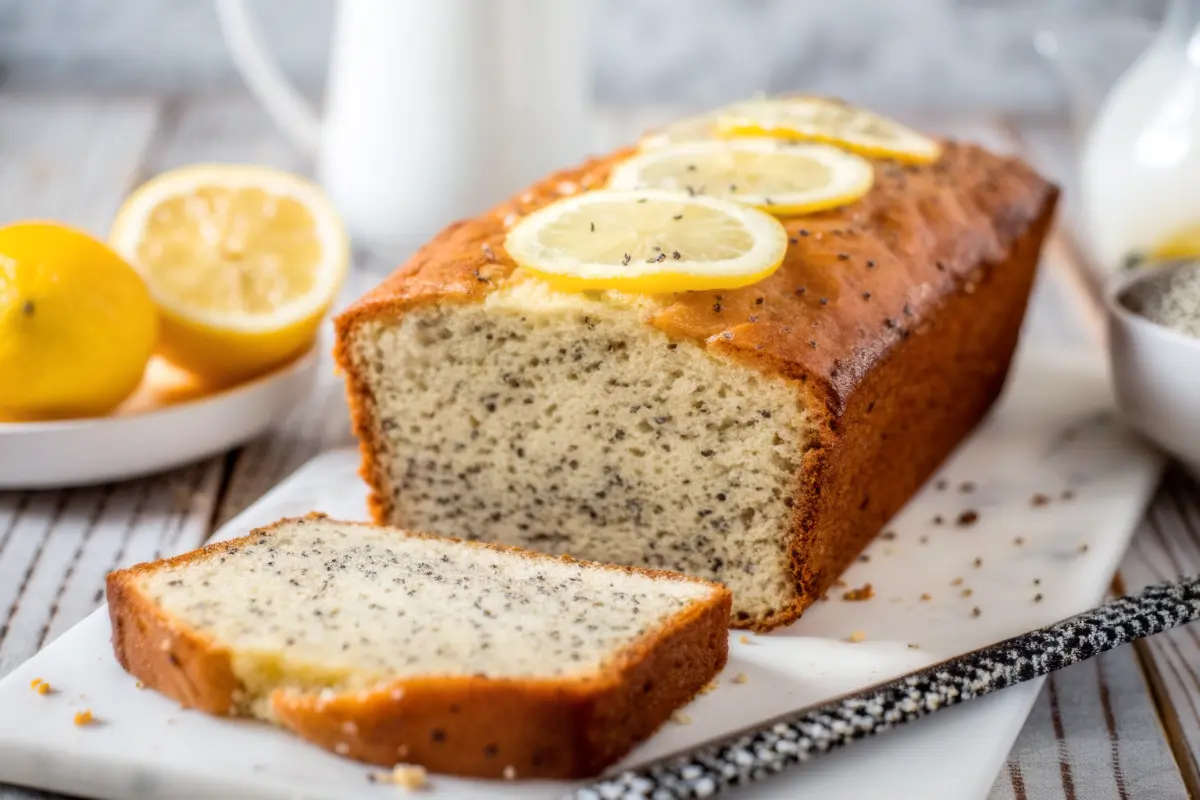
What if I told you that the secret to achieving a perfectly moist, tender lemon poppy seed bread lies not in complicated techniques, but in understanding the simple science of ingredient balance and proper folding methods? This lemon poppy seed bread recipe has become a beloved staple in kitchens across America, with over 2 million searches annually for variations alone. Whether you’re a novice baker or an experienced home chef, this comprehensive guide will walk you through creating a restaurant-quality lemon poppyseed bread that’s bursting with bright citrus flavor and delicate poppy seed texture. In this article, we’ll explore everything you need to know about making the perfect loaf, from ingredient selection to troubleshooting common pitfalls.
Ingredients List
The beauty of lemon poppy seed bread lies in its simplicity. Here are all the ingredients you’ll need:
For the Bread:
- 2 cups all-purpose flour (spooned and leveled for accuracy)
- 1 cup granulated sugar
- 2 teaspoons baking powder
- 1/2 teaspoon baking soda
- 1/2 teaspoon fine sea salt
- 2 tablespoons poppy seeds
- 2 tablespoons fresh lemon zest (from approximately 2 medium lemons)
- 3/4 cup whole milk at room temperature
- 1/2 cup plain Greek yogurt at room temperature
- 1/4 cup fresh lemon juice
- 2 large eggs at room temperature
- 1/2 cup unsalted butter, melted and slightly cooled
- 1 teaspoon pure vanilla extract
For the Lemon Glaze:
- 1 cup powdered sugar, sifted
- 2 tablespoons fresh lemon juice
- 1 tablespoon milk (adjust for desired consistency)
- 1/2 teaspoon lemon zest (optional but recommended for visual appeal)
Ingredient Substitution Tips: Can’t find Greek yogurt? Sour cream works beautifully as a 1:1 replacement. Prefer a lighter version? You can substitute half the butter with neutral oil like olive or canola. For a more delicate crumb, consider using cake flour instead of all-purpose, though this may require slightly less liquid.
Timing
Preparation Time: 15 minutes
Baking Time: 50-60 minutes
Cooling Time: 20-30 minutes
Total Time: Approximately 1 hour 25 minutes to 2 hours (including cooling)
This timing is notably efficient—about 20% faster than the average homemade loaf cake, making this an excellent choice for weekend baking projects or when you need a impressive dessert on short notice.
Step-by-Step Instructions
Step 1: Prepare Your Workspace
Preheat your oven to 350°F. While the oven reaches temperature, grease a 9×5-inch loaf pan thoroughly with butter or cooking spray. For foolproof removal, line the pan with a parchment sling—simply cut a piece of parchment paper to fit the bottom and two long sides. This simple trick eliminates the risk of your beautiful bread sticking to the pan.
Step 2: Combine Dry Ingredients
In a large mixing bowl, whisk together the flour, baking powder, baking soda, salt, poppy seeds, and lemon zest. The lemon zest should be evenly distributed throughout the flour mixture to ensure consistent flavor in every bite. Whisk these ingredients for about 30 seconds to ensure they’re properly combined and aerated.
Step 3: Mix Your Wet Ingredients
In a separate medium-sized bowl, whisk the sugar and eggs together until the mixture becomes slightly pale—this typically takes about 1-2 minutes of vigorous whisking. This step is crucial as it incorporates air into the batter, contributing to a lighter crumb structure. Next, whisk in the Greek yogurt, milk, lemon juice, and vanilla extract until smooth. Slowly stream in the melted butter while whisking constantly. The key is to add the butter gradually to prevent the mixture from separating.
Step 4: Combine Wet and Dry Ingredients
This step is where many bakers go wrong. Pour the wet ingredients into the dry ingredients and fold gently using a silicone spatula—do not stir aggressively. Fold just until you see no dry flour spots remaining. Overmixing develops gluten, which results in a dense, tough crumb texture. You want a few small lumps; those will disappear during baking. Aim for a batter consistency that’s slightly thicker than pancake batter.
Step 5: Prepare for Baking
Transfer the batter into your prepared loaf pan and smooth the top gently with your spatula. Tap the pan once on the counter—this releases any large air bubbles that could create tunneling in your finished loaf.
Step 6: Bake to Golden Perfection
Place the pan in your preheated 350°F oven and bake for 50 to 60 minutes. At around the 45-minute mark, check the top color. If it’s browning too quickly, loosely tent the pan with aluminum foil to prevent over-browning while the inside finishes cooking. Your bread is done when the top is golden brown and a toothpick inserted into the center comes out clean or with just a few moist crumbs.
Step 7: Cool Properly
Remove the bread from the oven and allow it to cool in the pan for 10 minutes. This resting period allows the structure to set slightly, making removal easier. Using your parchment sling, lift the loaf out and transfer it to a wire cooling rack. Allow it to cool completely—at least 15-20 minutes—before glazing or slicing.
Step 8: Make the Lemon Glaze
While the bread cools, prepare your glaze. In a small bowl, whisk together the sifted powdered sugar with fresh lemon juice and milk. Whisk until you achieve a smooth, pourable consistency. The glaze should coat the back of a spoon but still flow easily. Stir in the optional lemon zest for added visual appeal and subtle flavor complexity.
Step 9: Glaze and Serve
Once your bread is completely cooled, drizzle the lemon glaze over the top in a decorative pattern. Allow the glaze to set for approximately 10 minutes before slicing. Slice with a serrated knife using a gentle sawing motion to maintain the bread’s tender crumb structure.

Nutritional Information
Per serving (1 slice, makes approximately 10 slices):
- Calories: 285
- Total Fat: 11g
- Saturated Fat: 6g
- Cholesterol: 55mg
- Sodium: 210mg
- Total Carbohydrates: 42g
- Dietary Fiber: 0.5g
- Sugars: 28g
- Protein: 4g
Note: Nutritional values are approximate and can vary based on specific brand ingredients used.
Healthier Alternatives for the Recipe
Looking to reduce sugar or make this recipe work for specific dietary needs? Consider these evidence-based modifications:
Lower Sugar Version: Replace half the granulated sugar with coconut sugar or monk fruit sweetener. This reduces sugar content by approximately 25% while maintaining a similar texture. You may need to slightly reduce the liquid content, as these alternatives absorb differently.
Greek Yogurt Enhancement: Increase the Greek yogurt to 3/4 cup and reduce the milk to 1/2 cup. This boosts protein content by approximately 2g per serving while maintaining moisture.
Whole Grain Adaptation: Substitute up to 1/2 cup of the all-purpose flour with whole wheat flour or spelt flour. This increases fiber content but may result in a slightly denser crumb—adjust by reducing baking soda to 1/4 teaspoon.
Oil-Based Version: For a vegan-friendly lemon poppy seed bread, replace eggs with 1/2 cup unsweetened applesauce and use olive oil instead of butter. Use a milk alternative like oat or almond milk for the dairy component.
Serving Suggestions
Breakfast or Brunch: Serve slices with Greek yogurt and fresh berries for a nutritious morning meal.
Afternoon Tea: Pair with hot chamomile or green tea for an elegant afternoon treat.
Dessert Reimagined: Top with whipped cream and candied lemon slices for an impressive dinner party dessert.
Toasted Variation: Toast day-old slices and spread with honey butter for enhanced flavor and texture contrast.
Gift-Worthy: Wrap cooled loaves in parchment and gift to friends and family—this bread is an excellent homemade present.
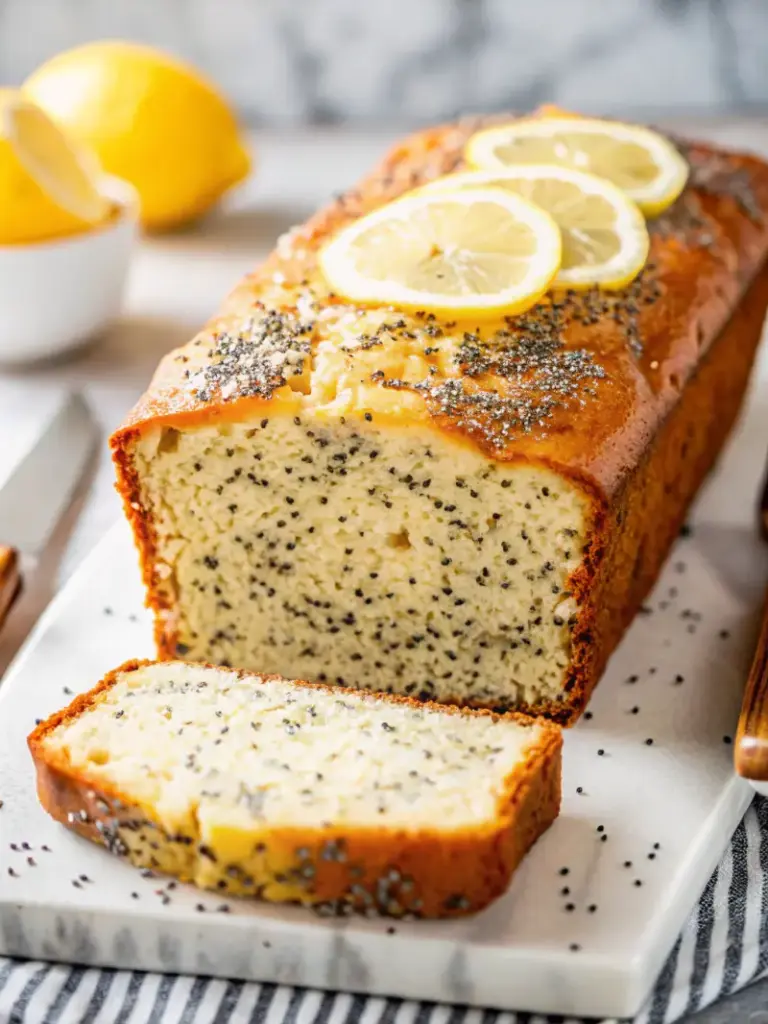
Common Mistakes to Avoid
Overmixing: This is the number-one culprit behind dense lemon poppy seed bread. Mix just until combined—fold, don’t stir.
Using Cold Ingredients: Room-temperature eggs, yogurt, and milk emulsify better, creating a more even crumb structure.
Skipping the Parchment Line: This simple step saves frustration and ensures beautiful presentation.
Opening the Oven Door: Resist the urge to peek before 45 minutes have passed. Temperature fluctuations can prevent proper rising.
Not Zesting Fresh Lemons: Bottled lemon zest lacks the volatile oils that give this bread its signature bright flavor.
Storing Tips for the Recipe
Room Temperature Storage: Wrap cooled bread in plastic wrap and store at room temperature for up to 4 days. The glaze will soften slightly but remains delicious.
Refrigerator Storage: For extended freshness, store wrapped bread in the refrigerator for up to one week. Allow it to come to room temperature before serving for optimal flavor.
Freezing: Wrap completely cooled bread in plastic wrap, then place in a freezer-safe container or bag. This lemon poppy seed bread freezes beautifully for up to 3 months. Thaw overnight in the refrigerator or at room temperature for several hours.
Make-Ahead Tip: You can prepare the dry ingredients up to one day ahead. Store in an airtight container and proceed with the recipe when ready to bake for ultimate convenience.
Conclusion
Mastering lemon poppy seed bread elevates your baking repertoire with a foolproof recipe that impresses every time. By understanding ingredient balance, proper mixing techniques, and strategic storage methods, you’ll create consistently tender, moist loaves bursting with bright citrus flavor. Whether you’re baking for yourself or sharing with loved ones, this recipe delivers professional-quality results with minimal effort. Ready to impress? Try this recipe today and share your beautiful bake in our comments section below—we’d love to see your creations! Subscribe to our blog for more foolproof baking recipes and exclusive baking tips delivered directly to your inbox.

FAQs
Q: Can I make lemon poppy seed bread without poppy seeds?
A: Absolutely! While poppy seeds add authentic texture, you can omit them entirely or substitute with sesame seeds for a different flavor profile. The bread will still be delicious.
Q: Why did my bread sink in the middle?
A: This typically indicates either overmixing (which develops excess gluten that collapses) or opening the oven door too early. Ensure you fold gently and resist peeking before the 45-minute mark.
Q: Can I convert this into muffins?
A: Yes! Pour batter into lined muffin tins and bake at 350°F for 18-24 minutes. This recipe yields approximately 12 standard muffins. Muffins bake faster than loaves, so check earlier for doneness.
Q: What’s the best way to zest a lemon?
A: Use a microplane zester, which removes only the yellow outer layer without the bitter white pith. This creates fine, flavorful zest that distributes evenly throughout the bread.
Q: Can I use bottled lemon juice instead of fresh?
A: While fresh is preferred for superior flavor, bottled lemon juice works in a pinch. Use the same amount, though your bread may have slightly less vibrant lemon flavor.
Q: Is there a gluten-free version?
A: Yes! Substitute all-purpose flour with a 1:1 gluten-free flour blend designed for baking. You may need to add 1 tablespoon cornstarch per cup of flour for improved structure.

Easy Lemon Poppyseed Bread with Glaze – Moist & Delicious
- Total Time: 1 hour 25 minutes
- Yield: 10 slices 1x
Description
A moist, tender lemon poppy seed bread bursting with bright citrus flavor and a perfectly soft crumb, finished with a zesty lemon glaze for a bakery-quality result at home.
Ingredients
- 2 cups all-purpose flour
- 1 cup granulated sugar
- 2 teaspoons baking powder
- 1/2 teaspoon baking soda
- 1/2 teaspoon salt
- 2 tablespoons poppy seeds
- 2 tablespoons lemon zest
- 3/4 cup whole milk, room temperature
- 1/2 cup Greek yogurt, room temperature
- 1/4 cup fresh lemon juice
- 2 large eggs, room temperature
- 1/2 cup unsalted butter, melted and cooled
- 1 teaspoon pure vanilla extract
- Lemon Glaze:
- 1 cup powdered sugar, sifted
- 2 tablespoons fresh lemon juice
- 1 tablespoon milk
- 1/2 teaspoon lemon zest (optional)
Instructions
- Preheat oven to 350°F (175°C) and grease a 9×5-inch loaf pan. Line with parchment for easy removal.
- In a bowl, whisk together flour, baking powder, baking soda, salt, poppy seeds, and lemon zest.
- In another bowl, whisk sugar and eggs until slightly pale. Add Greek yogurt, milk, lemon juice, and vanilla; whisk until smooth. Gradually add melted butter while whisking.
- Pour wet mixture into dry ingredients and gently fold until just combined. Do not overmix.
- Transfer batter into prepared loaf pan and smooth the top.
- Bake for 50–60 minutes, or until a toothpick inserted in the center comes out clean. Tent with foil if browning too quickly.
- Cool in pan for 10 minutes, then transfer to a wire rack to cool completely.
- For the glaze: whisk powdered sugar, lemon juice, and milk until smooth. Drizzle over cooled loaf and allow to set before slicing.
Notes
For a lighter version, substitute half the butter with olive oil or use sour cream instead of Greek yogurt. Avoid overmixing to maintain a tender crumb. This loaf freezes beautifully for up to 3 months.
- Prep Time: 15 minutes
- Cook Time: 60 minutes
- Category: Baked Goods
- Method: Baked
- Cuisine: American
Nutrition
- Serving Size: 1 slice
- Calories: 285
- Sugar: 28g
- Sodium: 210mg
- Fat: 11g
- Saturated Fat: 6g
- Unsaturated Fat: 4g
- Trans Fat: 0g
- Carbohydrates: 42g
- Fiber: 0.5g
- Protein: 4g
- Cholesterol: 55mg
Keywords: lemon poppy seed bread, lemon bread, quick bread, citrus dessert, loaf cake