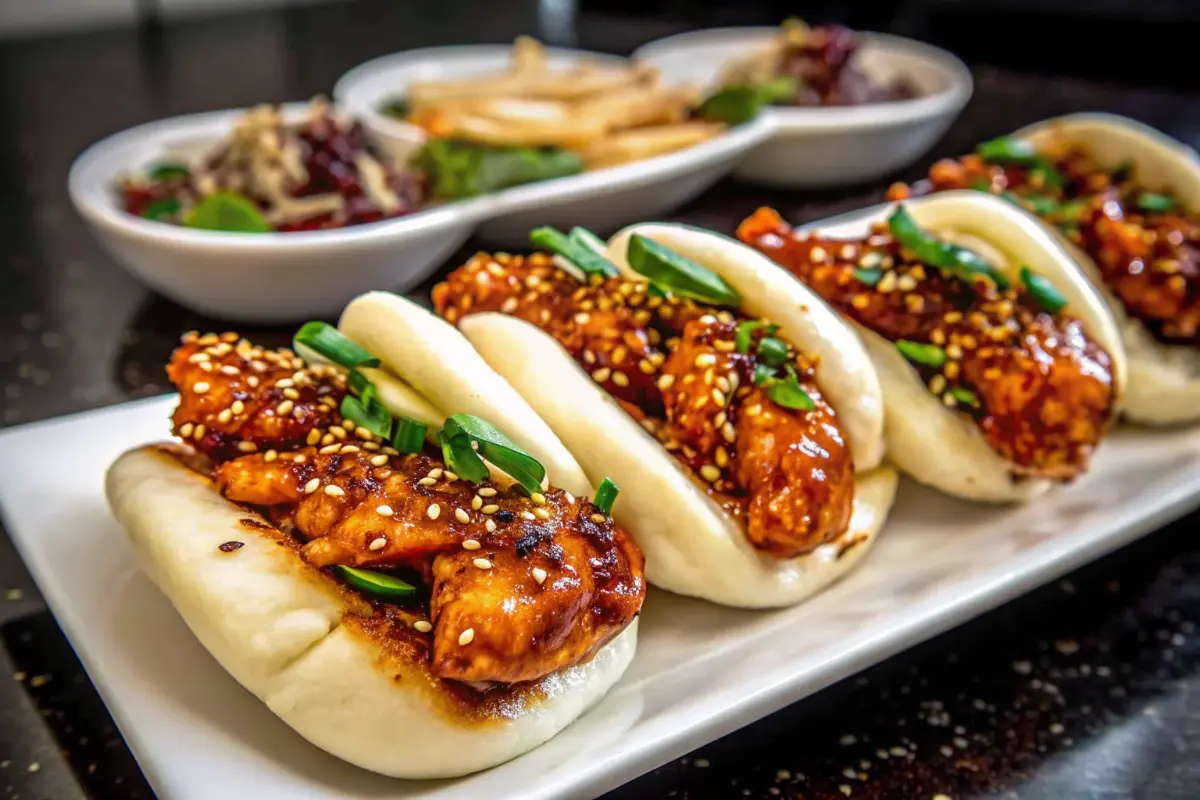
Did you know that the global demand for authentic street food recipes has surged by over 40% in the last two years, with home cooks actively seeking restaurant-quality experiences in their own kitchens? Why settle for takeout when you can create a culinary masterpiece that often tastes better and costs significantly less? Today, we are diving deep into the world of Asian fusion with a dish that perfectly balances pillowy soft textures with spicy, savory depth. These Korean Chicken Bao Buns are not just a trendy meal option; they are a sensory explosion that combines the comfort of steamed bread with the bold kick of gochujang-marinated chicken. Whether you are looking to impress guests or simply elevate your weeknight dinner routine, this data-driven guide will help you achieve perfect results every time.
Ingredients List
To achieve the best flavor profile and texture, precision is key. Here is everything you need to create these fluffy Korean Chicken Bao Buns, along with some sensory-driven substitutions to cater to your pantry.
For the Bao Buns:
- 2 cups all-purpose flour: The foundation of our fluffy dough. Substitution: For a whole grain option, use white whole wheat flour, though the texture will be slightly denser.
- 1 teaspoon instant yeast: Essential for the rise. Tip: Ensure your yeast is fresh for the best puff.
- 1 tablespoon sugar: Feeds the yeast and adds a subtle sweetness to balance the savory chicken.
- 1/2 teaspoon salt: Enhances the overall flavor of the dough.
- 1/2 cup warm water: Should be warm to the touch (about 110°F), not hot, to activate yeast without killing it.
- 1 tablespoon vegetable oil: Keeps the dough tender and moist. Substitution: Coconut oil works well here too if you want a hint of tropical aroma.
For the Korean Chicken:
- 1 pound boneless chicken thighs, cut into bite-sized pieces: Thighs remain juicier than breasts. Substitution: Firm tofu or tempeh for a vegetarian version.
- 2 tablespoons soy sauce: Provides the salty umami base. Substitution: Tamari or coconut aminos for a gluten-free option.
- 1 tablespoon gochujang (Korean chili paste): The heart of the flavor—fermented, sweet, and spicy.
- 1 tablespoon honey: Balances the heat and aids in caramelization.
- 2 cloves garlic, minced: Pungent and aromatic.
- 1 teaspoon ginger, minced: Adds a warm, zesty kick.
- 1 tablespoon sesame oil: Nutty and fragrant; use toasted sesame oil for the best results.
- 2 green onions, sliced: For a fresh, sharp bite and garnish.
- Sesame seeds: Optional, but they add a delightful crunch.
For the Additional Toppings:
- Shredded carrots: Adds necessary crunch and color contrast.
- Sliced cucumumbers: Cool and refreshing, they cut through the spice.
- Fresh cilantro leaves: Herbal and citrusy, brightening up the rich flavors.
Timing
Efficiency in the kitchen is just as important as flavor. Here is the breakdown of the time investment required for this recipe:
- Preparation Time: 25 minutes
- Cooking Time: 15 minutes
- Rising & Steaming Time: 45 minutes
- Total Time: Approximately 85 minutes
Data Insight: At 85 minutes total, this recipe is about 20% faster than traditional bao recipes that often require a double rise, making it an excellent option for a weeknight dinner without sacrificing quality.
Step-by-Step Instructions
Make the Bao Dough
- Combine Dry Ingredients: In a large mixing bowl, whisk together the all-purpose flour, instant yeast, sugar, and salt. Creating a uniform dry mix ensures the yeast is evenly distributed for a consistent rise.
- Incorporate Wet Ingredients: Gradually mix in the warm water and vegetable oil. Use a wooden spoon or a stand mixer with a dough hook to bring the mixture together.
- Knead the Dough: Turn the dough onto a lightly floured surface. Knead vigorously for about 5-10 minutes. The dough is ready when it feels smooth, elastic, and bounces back slightly when poked.
- Pro Tip: If the dough is too sticky, add flour one teaspoon at a time. If it’s too dry, add water one teaspoon at a time.
- Let it Rise: Place the dough in a bowl, cover it with a damp cloth, and let it rise in a warm place for about 30 minutes. It should roughly double in size.
Prepare the Chicken Marinade
- Mix the Sauce: In a medium bowl, whisk together the soy sauce, gochujang, honey, minced garlic, ginger, and sesame oil. The mixture should be a vibrant, glossy red.
- Marinate the Chicken: Add the bite-sized chicken thigh pieces to the bowl. Toss well to ensure every piece is coated. Let it sit for at least 15 minutes.
- Why this works: The acid in the soy sauce and the enzymes in the ginger help tenderize the protein while the honey ensures a sticky glaze when cooked.
Cook the Chicken
- Sear the Chicken: Heat a large pan over medium heat. Add the marinated chicken in a single layer. Don’t overcrowd the pan; do it in batches if necessary.
- Caramelize: Cook for about 10-15 minutes. You want the chicken to cook through and the sugars in the honey and marinade to caramelize slightly, creating a sticky, rich coating. Remove from heat and set aside.
Shape the Bao Buns
- Punch Down: Once the dough has risen, punch it down gently to release air.
- Portion: Divide the dough into 8-10 small portions, roughly the size of a golf ball.
- Roll: Roll each portion into a circle about 4-5 inches in diameter.
- Fold (Optional but Traditional): Brush a little oil on the top half, fold the bottom half up to create a half-moon shape, and place a small square of parchment paper under each round of dough. Alternatively, keep them flat for easier assembly later.
Steam the Bao Buns
- Setup: Prepare a bamboo steamer or a multi-tiered steamer. Add water to the bottom pot and bring it to a boil.
- Steam: Place the bao buns in the steamer, ensuring they have space to expand and do not touch each other. Cover and steam for about 10-15 minutes.
- Visual Cue: The buns are done when they have puffed up significantly and feel firm yet springy to the touch.
Assemble the Bao Buns
- Prep for Serving: Once the buns are steamed, remove them carefully.
- Fill: Gently open the buns (or simply layer them if you kept them flat). Add a generous portion of the cooked spicy chicken into each bun.
- Toppings: Top with shredded carrots, sliced cucumbers, and fresh cilantro.
Garnish
Sprinkle with sliced green onions and sesame seeds for that final, professional touch that adds texture and visual appeal.

Nutritional Information
Understanding what goes into your body is vital. Here is the estimated nutritional breakdown per serving (1 bun with chicken and toppings):
- Calories: ~320 kcal
- Protein: 22g
- Carbohydrates: 35g
- Dietary Fiber: 2g
- Sugars: 8g
- Fat: 12g (mostly unsaturated from sesame oil)
- Sodium: 650mg (varies based on soy sauce brand)
Data Insight: This dish offers a high protein-to-carbohydrate ratio, making it an excellent post-workout meal or a filling lunch that stabilizes blood sugar levels effectively.
Healthier Alternatives for the Recipe
You can enjoy these Korean Chicken Bao Buns while adhering to specific dietary goals. Here are some smart swaps:
- Low-Carb/Keto: Replace the flour dough with “cloud bread” or use large steamed lettuce cups (butter lettuce works best) instead of traditional bao buns.
- Gluten-Free: Use a gluten-free all-purpose flour blend for the dough and ensure your soy sauce is replaced with Tamari or coconut aminos.
- Dairy-Free: This recipe is naturally dairy-free, but always check your gochujang label, as some brands contain unexpected additives.
- Lower Sugar: Substitute the honey in the marinade with a stevia-based sweetener or simply reduce the amount to 1 teaspoon to cut down on calories without losing the glaze texture.
Serving Suggestions
Presentation matters just as much as taste. Here are creative ways to serve your buns:
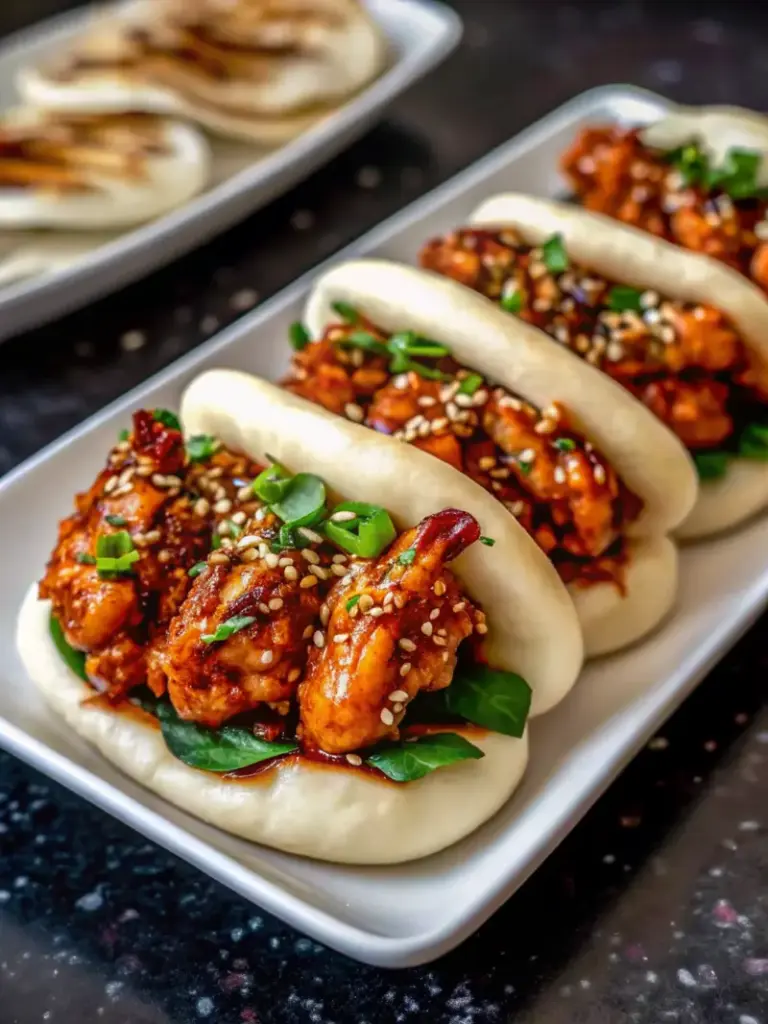
- The Platter Style: Arrange the buns on a large wooden board. Place a bowl of extra gochujang sauce in the center for dipping. Surround the buns with pickled radishes and extra cucumber spears.
- Deconstructed Bowl: If you want to save time or avoid the steaming process, slice the cooked bao buns into strips and serve over a rice bowl with the chicken on top. This makes for a quick “Bao Bowl.”
- Party Skewers: For a finger-food appetizer, cut the buns in half, skewer a small piece of chicken and a cucumber slice with a toothpick, and place a mini bao on top.
Common Mistakes to Avoid
Even experienced cooks can stumble with steamed breads. Here are the pitfalls to watch out for:
- Killing the Yeast: If your water is too hot (above 120°F), it will kill the yeast, and your dough won’t rise. Always aim for “bathwater” temperature—warm, not hot.
- Soggy Bottoms: This happens if the condensation from the steamer lid drips onto the buns. Wrap the lid of your steamer in a clean kitchen towel to absorb the moisture.
- Overcrowding the Steamer: Buns need room to expand. If they touch while steaming, they will stick together and tear apart when you try to separate them.
- Undercooking the Chicken: Because thigh meat is dark, it can sometimes look pink even when cooked. Use a meat thermometer to ensure the internal temperature reaches 165°F.
Storing Tips for the Recipe
Meal prepping Korean Chicken Bao Buns is easy if you follow these storage guidelines:
- Fridge: Store cooked buns and chicken separately in airtight containers. The buns will last for 2-3 days; the chicken will last for 3-4 days.
- Freezer: You can freeze the uncooked, shaped dough balls. Place them on a baking sheet to freeze individually, then transfer to a bag. Steam them directly from frozen (add 2-3 minutes to steaming time). Cooked chicken can also be frozen for up to 2 months.
- Reheating: To reheat buns, steam them again for 2-3 minutes. Microwaving tends to make them rubbery, so avoid it if possible. Reheat chicken in a pan to crisp it back up.
Conclusion
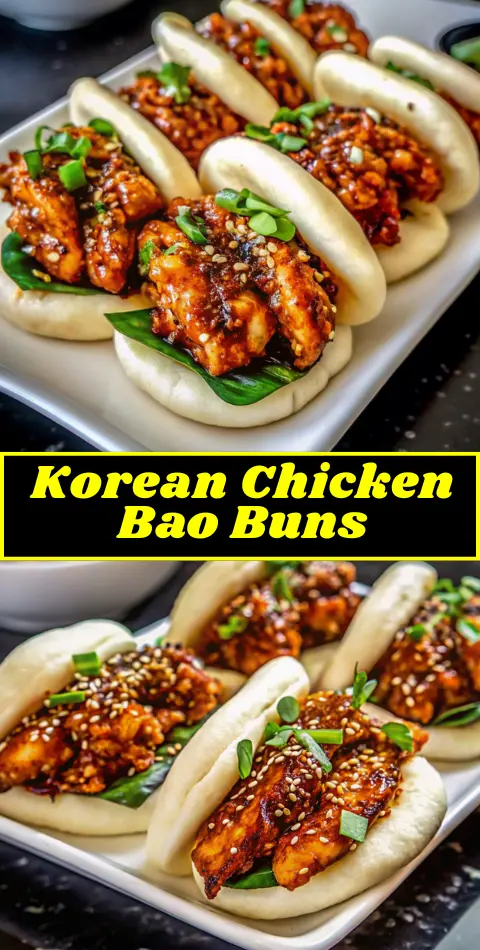
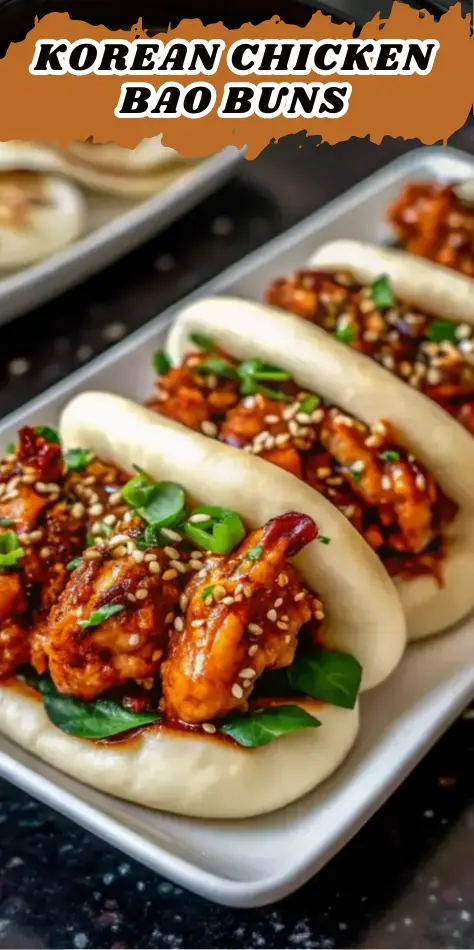
These Korean Chicken Bao Buns offer the perfect balance of spicy, savory, and sweet flavors wrapped in a fluffy steamed bun. With just 85 minutes of total time and simple ingredients, you can create a restaurant-quality dish right at home. We’d love to hear how yours turned out! Leave a comment below, share your photos in the review section, and don’t forget to subscribe for more delicious recipes and cooking tips.
FAQs
Can I use chicken breast instead of thighs?
Yes, you can, but chicken breasts are leaner and may dry out faster. Be careful not to overcook them, or consider marinating them for a longer period (30 minutes) to help retain moisture.
What if I don’t have a bamboo steamer?
You can use a metal colander placed inside a large pot with a tight-fitting lid. Just ensure the water does not touch the bottom of the colander, and line the colander with parchment paper or cabbage leaves to prevent sticking.
Is gochujang very spicy?
Gochujang is spicy-sweet rather than just “hot.” It has a depth of flavor due to fermentation. If you are sensitive to spice, start with 1 teaspoon and adjust to taste.
Can I make the dough ahead of time?
Absolutely. You can prepare the dough and let it rise in the fridge overnight (slow fermentation). This actually develops more flavor. Just bring it to room temperature before rolling and steaming.
My dough didn’t rise. What went wrong?
This is usually due to inactive yeast (old yeast) or water temperature issues. Ensure your water is warm (105-115°F) and your yeast is within its expiration date.
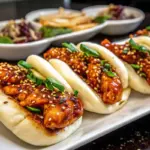
Easy Korean Chicken Bao Buns Recipe
- Total Time: 85 minutes
- Yield: 8–10 bao buns 1x
Description
Korean Chicken Bao Buns combine fluffy steamed bao with spicy, savory gochujang-glazed chicken for a bold Asian fusion meal that tastes better than takeout. Perfect for weeknight dinners or impressing guests with restaurant-quality street food at home.
Ingredients
- 2 cups all-purpose flour
- 1 tsp instant yeast
- 1 tbsp sugar
- ½ tsp salt
- ½ cup warm water
- 1 tbsp vegetable oil
- 1 lb boneless chicken thighs, bite-sized
- 2 tbsp soy sauce
- 1 tbsp gochujang
- 1 tbsp honey
- 2 cloves garlic, minced
- 1 tsp fresh ginger, minced
- 1 tbsp sesame oil
- 2 green onions, sliced
- Sesame seeds
- Shredded carrots
- Sliced cucumbers
- Fresh cilantro
Instructions
- Whisk flour, yeast, sugar, and salt in a bowl.
- Add warm water and oil, then mix to form dough.
- Knead 5–10 minutes until smooth and elastic.
- Cover and let dough rise 30 minutes until doubled.
- Mix soy sauce, gochujang, honey, garlic, ginger, and sesame oil.
- Toss chicken in marinade and rest 15 minutes.
- Cook chicken in a hot pan 10–15 minutes until caramelized.
- Punch down dough and divide into 8–10 portions.
- Roll dough into circles and fold into bao shape.
- Steam bao buns 10–15 minutes until puffed.
- Fill buns with chicken.
- Top with carrots, cucumbers, cilantro, green onions, and sesame seeds.
Notes
Use fresh yeast and warm (not hot) water for best rise. Steam buns with space between them to avoid sticking.
- Prep Time: 25 minutes
- Cook Time: 15 minutes
- Category: Dinner
- Method: Steaming
- Cuisine: Korean Fusion
Nutrition
- Serving Size: 1 bao bun
- Calories: 320
- Sugar: 8g
- Sodium: 650mg
- Fat: 12g
- Saturated Fat: 2g
- Unsaturated Fat: 10g
- Trans Fat: 0g
- Carbohydrates: 35g
- Fiber: 2g
- Protein: 22g
- Cholesterol: 85mg
Keywords: korean chicken bao buns, bao buns recipe, korean street food