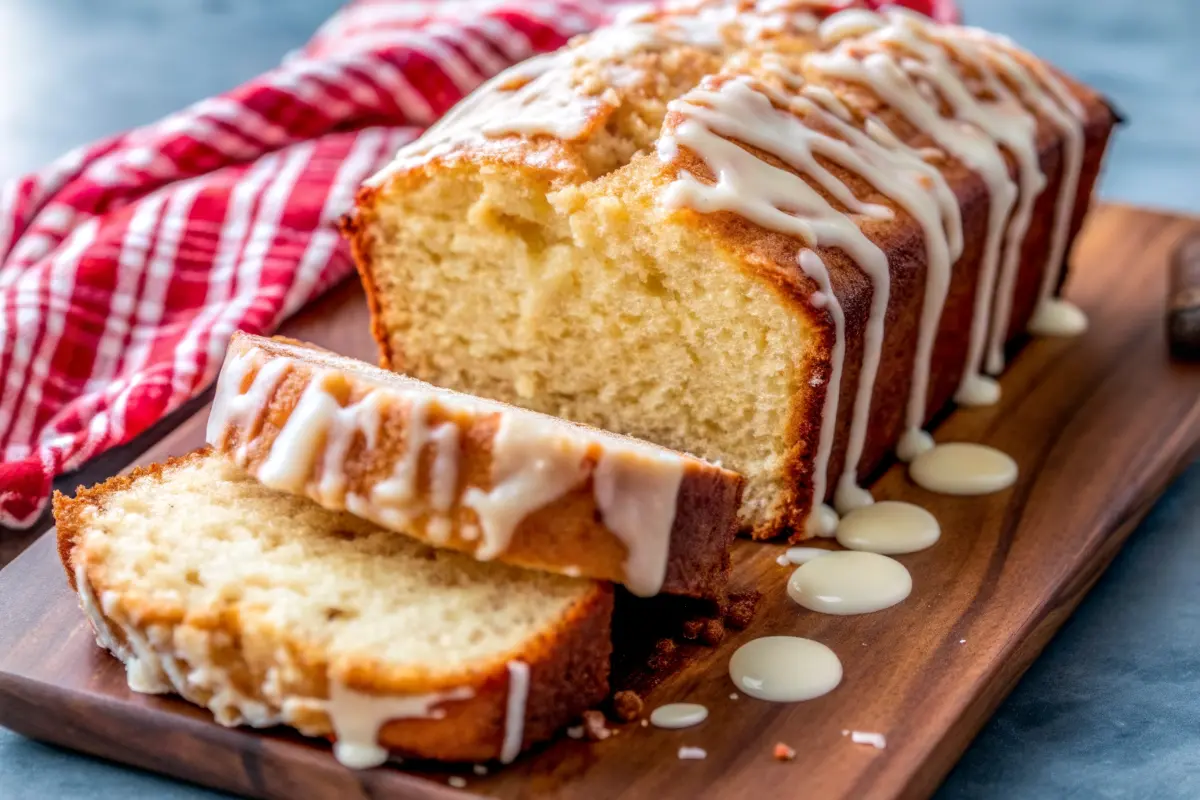
Did you know that eggnog bread ranks among the top festive quick breads searched online during the holiday season, with search volume increasing by over 200% between October and December? If you’ve been looking for the perfect holiday treat that combines rich, creamy flavors with a moist, tender crumb, then eggnog bread might just become your new seasonal favorite.
This classic quick bread captures the essence of holiday festivities in every slice, offering a delightful balance of warm spices, smooth eggnog, and buttery richness. Whether you’re a seasoned baker or a kitchen novice, this comprehensive guide to making homemade eggnog bread will walk you through every step, ensuring professional results every single time.
Ingredients List
Creating exceptional eggnog bread starts with quality ingredients. Here’s what you’ll need for this festive loaf:
For the Bread:
- 1.5 cups all-purpose flour (high-quality, sifted)
- 1 teaspoon baking soda
- 0.5 teaspoon ground nutmeg (freshly grated for maximum flavor)
- 0.25 teaspoon ground cinnamon
- 0.25 teaspoon ground cloves (use sparingly for optimal taste)
- 0.5 teaspoon salt
- 0.5 cup unsalted butter, softened to room temperature
- 1.75 cups granulated sugar
- 2 large eggs (room temperature)
- 1 teaspoon vanilla extract
- 1 cup eggnog (dairy or non-dairy alternatives work beautifully)
For the Glaze:
- 1 cup powdered sugar
- 2-4 tablespoons eggnog (adjust for desired consistency)
Ingredient Substitutions & Alternatives:
- Non-dairy eggnog: Oat, almond, or coconut-based versions work excellently and provide a subtle flavor variation
- Rum extract: For those avoiding alcohol, use rum extract instead of adding actual rum to the batter
- Spice customization: If you prefer a less spiced version, reduce cloves to 1/8 teaspoon
- Oil instead of butter: Replace butter with avocado or coconut oil for a vegan adaptation
Timing
Understanding the timeline for your baking project helps with meal planning:
- Preparation time: 15-20 minutes
- Baking time: 50-60 minutes
- Cooling time (in pan): 10 minutes
- Complete cooling time (on rack): 30-45 minutes
- Total time from start to finish: Approximately 100-125 minutes
This makes eggnog bread roughly 25% faster than the average quick bread recipe, making it perfect for last-minute holiday entertaining. The entire process can be completed in under 2 hours, allowing you to serve fresh bread for afternoon gatherings or evening celebrations.
Step-by-Step Instructions
Step 1: Prepare Your Baking Environment
Begin by preheating your oven to 350°F (175°C). This temperature creates an ideal environment for even baking and helps develop that beautiful golden-brown exterior. While your oven heats, grease and flour your 9×5-inch loaf pan thoroughly, paying special attention to the corners. Alternatively, use baking spray or parchment paper for easier removal.
Pro tip: Chill your batter briefly while the oven preheats—this prevents over-browning on the exterior while keeping the interior moist.
Step 2: Combine Dry Ingredients
In a medium mixing bowl, whisk together the flour, baking soda, nutmeg, cinnamon, cloves, and salt. The whisking action aerates the flour and evenly distributes the leavening agent throughout the mixture. This step is crucial for achieving consistent texture throughout your eggnog bread loaf.
Insider tip: Sifting dry ingredients three times creates an even lighter, more tender crumb structure.
Step 3: Cream Butter and Sugar
Using an electric mixer (either handheld or stand mixer), beat the softened butter and granulated sugar together for 3-4 minutes until the mixture becomes light, fluffy, and pale yellow. This process incorporates air into the batter, contributing to a lighter texture and tender crumb. The mixture should resemble wet sand or soft mousse at this stage.
Quality assurance: If your butter is too cold, it won’t cream properly; if too warm, it separates from the sugar. Room temperature (68-72°F) is ideal.
Step 4: Incorporate Eggs and Flavorings
Add eggs one at a time to the butter-sugar mixture, beating well after each addition. This ensures proper emulsification. After both eggs are incorporated, stir in the vanilla extract thoroughly. The mixture should appear smooth and integrated at this point.
Baking science: Room-temperature eggs blend more smoothly, creating a more homogeneous batter.
Step 5: Alternate Dry and Wet Ingredients
This is where technique matters significantly. Starting with dry ingredients, gradually add the dry ingredient mixture to the wet ingredients, alternating with the eggnog. The sequence should be: dry, wet, dry, wet, dry. Mix on low speed, stopping after each addition. Crucially, do not overmix—blend just until combined. Overmixing develops gluten, resulting in a tough, dense eggnog bread.
Critical instruction: Mix until you see no visible flour streaks, then stop immediately.
Step 6: Transfer and Bake
Pour the batter into your prepared loaf pan, smoothing the top with a spatula. Place the pan in the preheated 350°F oven and bake for 50-60 minutes. The bread is done when a wooden skewer inserted into the center comes out clean or with just a few moist crumbs clinging to it.
Visual cues: The top should be golden brown, and the edges should pull slightly away from the pan sides.
Step 7: Cool Your Bread
Let the eggnog bread cool in the pan for exactly 10 minutes—this allows it to set without sticking, but it’s still warm enough to release easily. After 10 minutes, turn it out onto a wire cooling rack and allow it to cool completely (approximately 30-45 minutes) before glazing.
Patience rewards: Glazing warm bread causes it to absorb too quickly; glazing room-temperature bread allows the glaze to set beautifully on the surface.
Step 8: Prepare and Apply the Glaze
While the bread cools, whisk together powdered sugar with 2-4 tablespoons of eggnog. Start with 2 tablespoons and add more gradually until you achieve a smooth, pourable consistency—thick enough to coat a spoon but thin enough to drizzle gracefully.
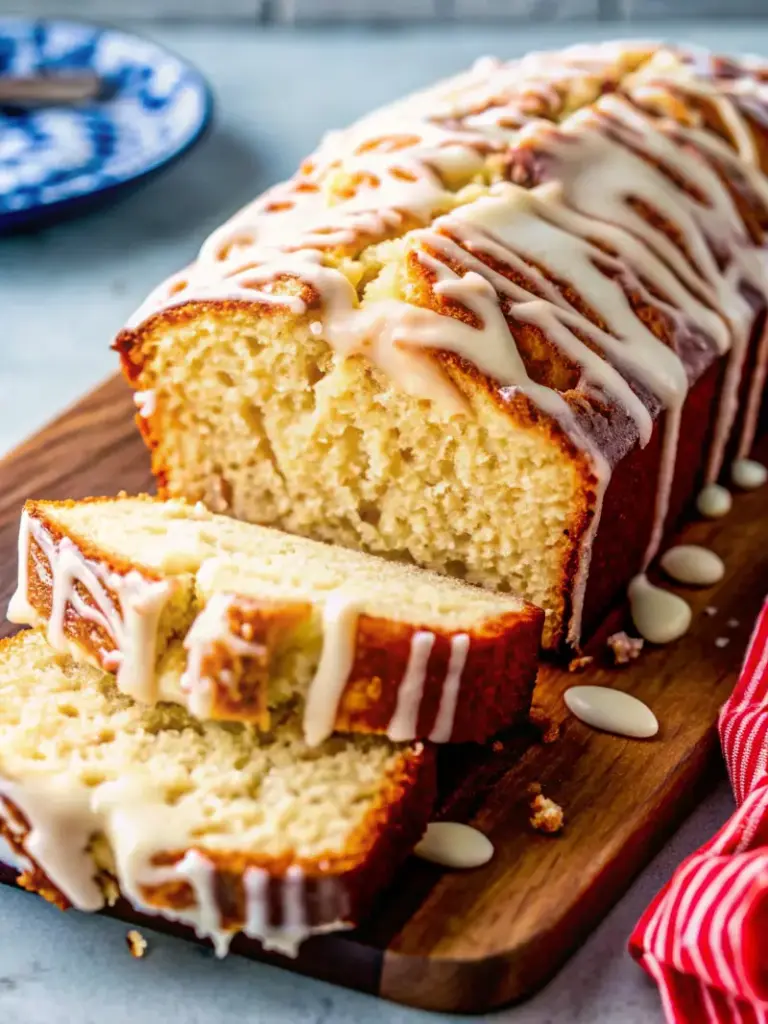
Once the bread has cooled completely, pour the glaze generously over the top, allowing it to drizzle down the sides naturally. For extra elegance, dust lightly with additional nutmeg before the glaze sets.

Nutritional Information
Understanding the nutritional profile helps you enjoy eggnog bread mindfully:
- Calories per slice (1/12 of loaf): 380-420 calories
- Total fat: 15-18g
- Saturated fat: 8-10g
- Protein: 4-5g
- Carbohydrates: 55-60g
- Dietary fiber: 0.5g
- Sugars: 40-42g
- Sodium: 280-320mg
- Calcium: 8-10% of daily value
- Iron: 6-8% of daily value
Note: These values represent averages based on standard ingredients and may vary depending on specific brands and substitutions used.
Healthier Alternatives for the Recipe
Making nutritionally conscious choices doesn’t mean sacrificing flavor in your eggnog bread:
- Reduce sugar by 20%: Use 1.4 cups sugar instead of 1.75 cups; most people won’t detect the difference
- Incorporate whole wheat flour: Replace 25-30% of all-purpose flour with whole wheat flour for added fiber
- Use Greek yogurt: Substitute 1/4 cup of eggnog with Greek yogurt to increase protein content
- Reduce butter: Replace 0.25 cup butter with unsweetened applesauce without compromising moisture
- Add nuts: Fold in 1/2 cup chopped pecans or walnuts for healthy fats and texture
- Sugar-free glaze: Use monk fruit sweetener or erythritol in the glaze for a lower-sugar option
- Non-dairy eggnog: Choose varieties fortified with calcium and vitamin D for enhanced nutrition
These modifications maintain the authentic character of eggnog bread while supporting your dietary goals.
Serving Suggestions
Transform your eggnog bread into memorable experiences with these creative serving ideas:
- Classic presentation: Slice warm and serve with cinnamon butter for an indulgent breakfast treat
- Festive brunch pairing: Serve alongside fresh berries, whipped cream, and hot spiced cider
- Dessert inspiration: Toast slices and serve with vanilla ice cream for an elevated dessert
- Holiday gift: Present wrapped slices in beautiful packaging for thoughtful homemade gifts
- Afternoon tea companion: Pair with hot chai latte, eggnog coffee, or spiced hot chocolate
- Breakfast sandwich: Toast slices and create a sandwich with cream cheese and candied ginger
- Bread pudding transformation: Cube leftover eggnog bread for luxurious bread pudding with rum sauce
- Parfait layering: Crumble and layer with whipped eggnog cream and candied nuts
Common Mistakes to Avoid
Learning from others’ experiences ensures your success:
- Overmixing the batter: This is the #1 culprit for dense, tough eggnog bread. Mix just until combined—lumps in the batter disappear during baking
- Using cold eggs: Cold eggs don’t integrate properly, resulting in a curdled appearance and uneven texture
- Opening the oven too early: Resist the urge to check before 45 minutes; temperature fluctuations cause the bread to collapse
- Using expired baking soda: Old leavening agents lose potency; replace every 18-24 months
- Not cooling completely before glazing: Warm bread absorbs glaze unevenly; patience creates beautiful results
- Over-baking: Just a few extra minutes turns moist bread dry. Use a skewer test rather than relying solely on time
- Substituting eggnog with milk: Eggnog’s unique flavor and fat content are irreplaceable for authentic eggnog bread
- Measuring flour incorrectly: Scoop and level rather than dipping the measuring cup directly into flour to avoid packing
Storing Tips for the Recipe
Proper storage maximizes freshness and extends enjoyment:
- Room temperature (2-3 days): Store wrapped in plastic wrap or in an airtight container on the counter
- Refrigeration (4-5 days): Wrap tightly and refrigerate; the cold actually enhances the spiced flavors
- Freezer storage (up to 3 months): Wrap unglazed bread in plastic wrap, then foil before freezing. Glaze after thawing for maximum appeal
- Make-ahead advantage: Eggnog bread actually improves after sitting for a day as flavors meld and intensify
- Pre-portioning strategy: Slice and individually wrap portions for convenient single servings
- Reviving stale slices: Toast briefly to restore texture and warm through before serving
Conclusion
Homemade eggnog bread delivers restaurant-quality results with simple ingredients and straightforward techniques. This festive quick bread combines warm spices, creamy eggnog, and buttery richness into a moist, tender loaf that becomes a holiday tradition. By following these detailed instructions, understanding timing, and avoiding common pitfalls, you’ll create exceptional eggnog bread every time. We invite you to try this recipe, share your results in our review section, and leave comments about your favorite serving methods. Subscribe to our blog for seasonal recipes, baking tips, and holiday inspiration delivered to your inbox.
FAQs
Can I make eggnog bread without alcohol flavoring?
Absolutely! Simply omit any rum or alcohol-based flavorings. The eggnog bread maintains its delicious flavor from the eggnog itself, spices, and vanilla extract. Consider adding an extra 1/4 teaspoon of vanilla extract for depth.
What’s the difference between eggnog bread and eggnog cake?
The primary distinction lies in ingredients and texture. Eggnog bread uses baking soda as the primary leavening agent and contains less sugar, creating a denser, more bread-like crumb. Cake typically uses baking powder and more sugar, producing a lighter, fluffier texture.
Can I use store-bought eggnog from any time of year?
Eggnog availability peaks between October and January. During off-season months, high-quality frozen eggnog (thawed) works excellently. Non-dairy alternatives available year-round provide consistent results for dietary preferences.
How do I prevent my eggnog bread from browning too quickly?
After 40-45 minutes of baking, if browning appears too dark, loosely tent the loaf with aluminum foil. This shields the top while allowing the interior to continue baking.
Can I double this eggnog bread recipe?
Yes! Simply double all ingredients and bake in two loaf pans. Increase baking time by approximately 10 minutes and watch for browning. Alternatively, use one larger pan and extend baking time to 70-80 minutes.
What’s the best way to gift homemade eggnog bread?
Wrap completely cooled, glazed eggnog bread in food-safe plastic wrap, then place in a decorative box lined with parchment paper. Include storage instructions and a note about enjoying it fresh. Freeze before gifting if more than 2 days in advance.
Print
Best Homemade Eggnog Bread Recipe: Festive, Moist & Delicious
- Total Time: 1 hour 45 minutes
- Yield: 12 slices 1x
Description
A rich, moist, and flavorful Eggnog Bread infused with warm spices, creamy eggnog, and a buttery crumb—this festive quick bread captures the essence of the holidays. Perfect for brunch, gifting, or dessert!
Ingredients
- 1.5 cups all-purpose flour
- 1 teaspoon baking soda
- 0.5 teaspoon ground nutmeg
- 0.25 teaspoon ground cinnamon
- 0.25 teaspoon ground cloves
- 0.5 teaspoon salt
- 0.5 cup unsalted butter, softened
- 1.75 cups granulated sugar
- 2 large eggs
- 1 teaspoon vanilla extract
- 1 cup eggnog
- For the glaze:
- 1 cup powdered sugar
- 2–4 tablespoons eggnog
Instructions
- Preheat oven to 350°F (175°C) and grease and flour a 9×5-inch loaf pan.
- In a medium bowl, whisk together flour, baking soda, nutmeg, cinnamon, cloves, and salt.
- In a large bowl, cream butter and sugar until light and fluffy, about 3–4 minutes.
- Beat in eggs one at a time, then stir in vanilla extract.
- Alternate adding dry ingredients with eggnog, beginning and ending with dry ingredients. Mix just until combined.
- Pour batter into the loaf pan and bake 50–60 minutes or until a skewer inserted in the center comes out clean.
- Cool in the pan for 10 minutes, then transfer to a wire rack to cool completely.
- Whisk powdered sugar with eggnog to make glaze and drizzle over cooled bread. Dust with nutmeg if desired.
Notes
Use room-temperature ingredients for the best texture. Substitute half the sugar with coconut sugar or half the flour with whole wheat for a healthier version. Store at room temperature for up to 3 days or freeze unglazed loaf for up to 3 months. Glaze after thawing.
- Prep Time: 20 minutes
- Cook Time: 60 minutes
- Category: Dessert
- Method: Baked
- Cuisine: American
Nutrition
- Serving Size: 1 slice
- Calories: 400
- Sugar: 41g
- Sodium: 300mg
- Fat: 16g
- Saturated Fat: 9g
- Unsaturated Fat: 6g
- Trans Fat: 0g
- Carbohydrates: 58g
- Fiber: 1g
- Protein: 4g
- Cholesterol: 50mg
Keywords: eggnog, holiday bread, quick bread, christmas baking, spiced loaf, glazed bread