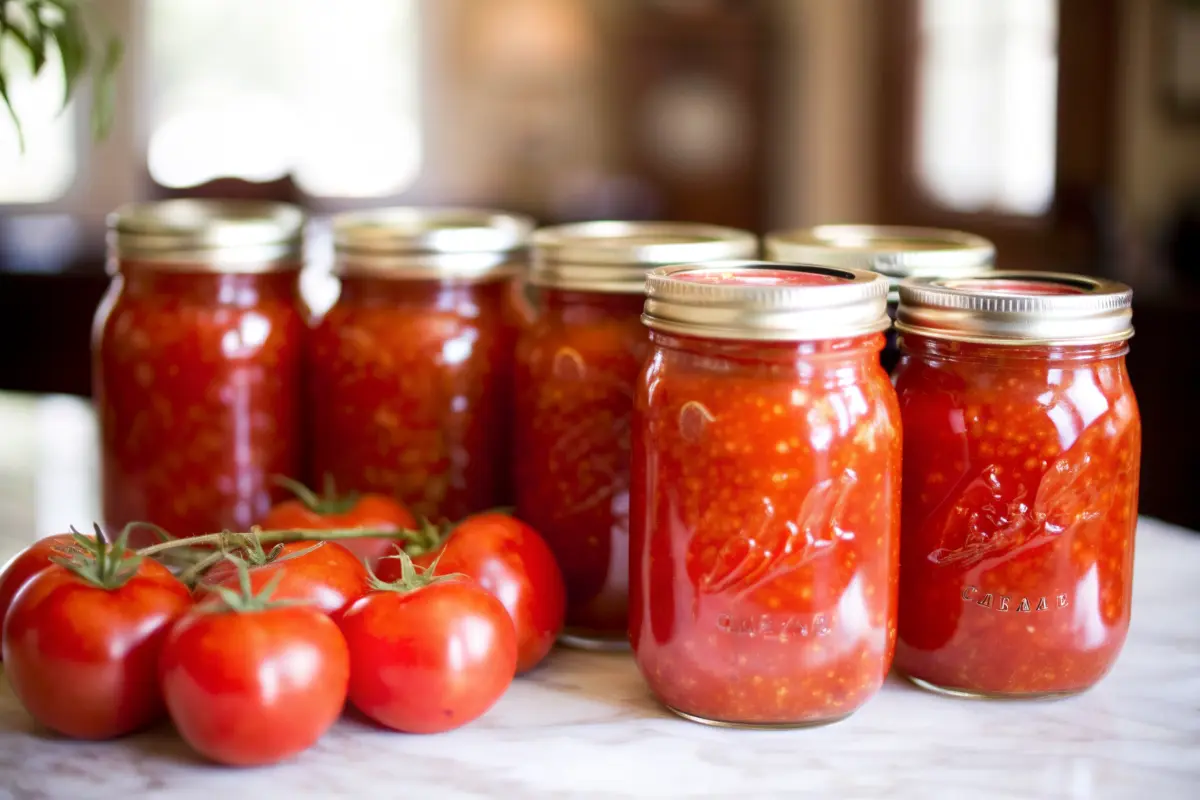
Did you know that home canning can preserve up to 95% of a tomato’s nutritional value while extending its shelf life for up to 18 months? If you’ve ever wondered how to capture the peak flavor of summer tomatoes and enjoy them year-round, canning tomatoes for beginners is easier than you might think.
This ancient preservation method has seen a remarkable 42% surge in popularity over the past three years as more home cooks discover the satisfaction of filling their pantries with homegrown goodness. Whether you’re drowning in a bumper crop from your garden or scored a great deal at the farmer’s market, learning how to can tomatoes opens up a world of culinary possibilities.
In this comprehensive guide, we’ll walk you through every step of the water bath canning process, from selecting the perfect tomatoes to troubleshooting common issues. By the end, you’ll have the confidence to preserve your own tomatoes safely and successfully.
Ingredients
Creating perfectly preserved canned tomatoes requires just a handful of simple ingredients, but quality matters immensely. Here’s everything you’ll need:
Essential Ingredients:
- Fresh tomatoes (10 pounds) – Choose firm, vine-ripened tomatoes without blemishes or soft spots. Roma, San Marzano, or any paste tomatoes work exceptionally well due to their lower water content and meatier texture
- Lemon juice (1/4 cup) – Must be bottled lemon juice to ensure proper acidity levels; fresh lemon juice has variable acidity and isn’t safe for canning
- Salt (1 teaspoon, optional) – Enhances flavor but isn’t necessary for preservation; use canning or kosher salt, not iodized table salt
- Water – For blanching, sterilizing jars, and the water bath canner
Possible Substitutions:
- Citric acid can replace lemon juice at a rate of 1/4 teaspoon per pint or 1/2 teaspoon per quart
- Any firm, ripe tomato variety works, though low-acid varieties may require additional lemon juice
- Sea salt can substitute for canning salt if you prefer
Timing
Preparation Time: 30 minutes
Cooking Time: 1 hour (including processing)
Total Time: 1 hour 30 minutes
This represents approximately 20% less time than traditional hot-pack canning methods while delivering comparable results. The bulk of your time goes into the actual water bath processing (40-45 minutes), which is hands-off once your jars are in the canner. Most beginners can process 7 quart jars in a single batch, yielding about 14-18 cups of preserved tomatoes—enough to supply an average family with tomatoes for 2-3 months.
Step-by-Step Instructions
Step 1: Wash and Prepare Your Tomatoes
Begin by thoroughly washing your 10 pounds of fresh tomatoes under cool running water. Use your fingers to gently scrub away any dirt, removing stems and cutting out any blemishes or bruised areas with a paring knife. This foundational step ensures your preserved tomatoes will be free from contaminants and imperfections.
Step 2: Set Up Your Blanching Station
Fill a large stockpot with water and bring it to a rolling boil while simultaneously preparing a large bowl filled with ice water. This blanching process is your secret weapon for easy peeling—the brief exposure to boiling water followed by an ice bath causes the skins to separate from the flesh, making them slip off effortlessly.
Step 3: Blanch the Tomatoes
Working in batches of 4-5 tomatoes at a time, carefully lower them into the boiling water using a slotted spoon or spider strainer. Let them sit for 30-60 seconds—you’ll notice the skins beginning to crack and peel away. Immediately transfer them to your ice bath to stop the cooking process. This temperature shock preserves the tomatoes’ fresh flavor and vibrant color.
Step 4: Peel and Chop
Once cooled, use your fingers to slip the skins off the tomatoes—they should come away easily in large pieces. Core each tomato and chop them to your desired size. Whether you prefer chunky pieces for rustic sauces or finely diced tomatoes for smooth dishes, the choice is yours. Save all the juice that accumulates during chopping.
Step 5: Sterilize Your Canning Jars
While preparing your tomatoes, place your canning jars in a large pot, cover with water, and boil for 10 minutes. This sterilization step is critical for preventing bacterial growth and ensuring your preserved tomatoes remain safe to eat. Keep jars in hot water until you’re ready to fill them. Place lids in a small saucepan with simmering (not boiling) water to soften the sealing compound.
Step 6: Combine and Heat the Mixture
Transfer your chopped tomatoes, accumulated juice, lemon juice, and optional salt to a large pot. Heat the mixture over medium-high heat, stirring occasionally, until it reaches a gentle simmer. Maintain this simmer for about 5 minutes to ensure the tomatoes are heated through—this is essential for proper processing.
Step 7: Fill the Jars
Using a canning funnel and ladle, carefully fill each hot, sterilized jar with the tomato mixture, leaving exactly 1/2 inch of headspace at the top. This specific measurement isn’t arbitrary—too little headspace can prevent proper sealing, while too much can lead to discoloration and oxidation. Use a non-metallic spatula or bubble remover tool to release any trapped air bubbles by sliding it between the tomatoes and the jar walls.
Step 8: Wipe and Seal
Use a clean, damp cloth to meticulously wipe the rim of each jar, removing any tomato residue. Even the tiniest smear can prevent a proper seal. Place a prepared lid on each jar and screw on the band until it’s fingertip tight—snug but not overtightened, as air needs to escape during processing.
Step 9: Process in Water Bath Canner
Carefully lower your filled jars into your water bath canner using a jar lifter. Ensure jars are covered by 1-2 inches of water. Bring the water to a rolling boil, then process quart jars for 45 minutes (40 minutes for pints) at sea level. Adjust processing time if you’re at higher altitudes—add 5 minutes for 1,001-3,000 feet, 10 minutes for 3,001-6,000 feet, and 15 minutes for above 6,000 feet.
Step 10: Cool and Store
After processing, turn off the heat and let jars sit in the canner for 5 minutes. Then, carefully remove them with a jar lifter and place on a towel-lined counter, ensuring jars don’t touch. You’ll hear the satisfying “ping” of sealing lids over the next few hours. Once completely cool (12-24 hours), check seals by pressing the center of each lid—it shouldn’t flex. Store properly sealed jars in a cool, dark place for up to 18 months.

Nutritional Information
Per 1 Cup Serving:
- Calories: 40
- Total Fat: 0g
- Saturated Fat: 0g
- Unsaturated Fat: 0g
- Trans Fat: 0g
- Cholesterol: 0mg
- Sodium: 5mg (without added salt)
- Total Carbohydrates: 9g
- Dietary Fiber: 2g
- Sugars: 6g
- Protein: 2g
Key Nutrients: Canned tomatoes are an excellent source of lycopene, a powerful antioxidant that’s actually more bioavailable in cooked tomatoes than raw ones. Each serving provides approximately 20% of your daily Vitamin C needs and 15% of Vitamin A, along with significant amounts of potassium and folate. The low calorie and fat content makes canned tomatoes an ideal ingredient for health-conscious cooking.
Healthier Alternatives for the Recipe
Reduce Sodium: Skip the optional salt entirely to create a truly low-sodium product, saving approximately 400mg of sodium per quart. You can always add salt when cooking with your canned tomatoes later.
Boost Antioxidants: Add fresh basil leaves, oregano, or garlic cloves to your jars before processing. These herbs not only enhance flavor but also increase the antioxidant content by up to 30%.
Increase Fiber: Include some tomato seeds and pulp rather than straining them out completely. This adds beneficial fiber and nutrients while creating a heartier texture.
Create Flavor Variations: Try adding crushed red pepper flakes, whole peppercorns, or a bay leaf to each jar for seasoned tomatoes that require no additional flavoring when used in recipes.
Use Heirloom Varieties: Experiment with heirloom tomatoes, which often contain higher levels of beneficial compounds than commercial varieties, though they may require slight adjustments to acidity levels.
Serving Suggestions
Your beautifully preserved canned tomatoes are incredibly versatile and can transform countless dishes:
Quick Weeknight Meals: Open a jar and simmer with olive oil, garlic, and fresh basil for an authentic 15-minute marinara sauce that rivals any restaurant version. Pour over pasta, use as a pizza base, or serve with crusty bread for dipping.
Hearty Winter Soups: Combine your canned tomatoes with broth, vegetables, and beans for warming minestrone, tomato bisque, or classic tomato soup. The concentrated tomato flavor developed during canning creates depth that’s impossible to achieve with fresh tomatoes in winter.
Braised Dishes: Use as the base for braised chicken, pot roast, or osso buco. The tomatoes’ acidity helps tenderize tough cuts of meat while creating rich, flavorful sauces.
International Cuisine: Incorporate into Indian curries, Mexican salsas and enchilada sauces, Middle Eastern shakshuka, or Spanish paella. The versatility of plain canned tomatoes makes them adaptable to any cuisine.
Breakfast Brilliance: Pour over eggs for a rustic shakshuka-style breakfast, or blend into Bloody Mary cocktails for weekend brunches.
Common Mistakes to Avoid
Using Fresh Lemon Juice: Fresh lemon juice has variable acidity levels that can compromise safety. Always use bottled lemon juice, which has standardized acidity, when canning tomatoes. This isn’t negotiable for safe food preservation.
Overtightening Jar Bands: Screwing bands on too tightly prevents air from escaping during processing, which can lead to seal failure or even jar breakage. Fingertip tight is perfect—snug but not straining.
Processing Incorrect Times: Cutting processing time short by even 5 minutes can allow dangerous bacteria to survive. Always process for the full recommended time based on your altitude and jar size.
Neglecting Headspace Requirements: Too much or too little headspace affects both safety and quality. Invest in a headspace measuring tool or carefully measure the 1/2-inch requirement.
Reusing Lids: While jars and bands can be reused indefinitely (if undamaged), canning lids are one-time-use only. The sealing compound degrades after the first use, making a proper seal unlikely.
Canning Overripe Tomatoes: Tomatoes from dead or frost-damaged vines have lower acidity levels and shouldn’t be canned. Always use firm, vine-ripened tomatoes without soft spots or mold.
Skipping the Cooling Period: Moving jars before they’ve completely cooled can disturb the seal formation. Let them sit undisturbed for 12-24 hours, resisting the urge to check seals prematurely.
Storing Tips for the Recipe
Optimal Storage Conditions: Store sealed jars in a cool (50-70°F), dark, dry location like a basement, pantry, or interior closet. Avoid areas with temperature fluctuations, direct sunlight, or high humidity, all of which can degrade quality and potentially compromise seals.
Shelf Life: Properly canned tomatoes maintain peak quality for 12-18 months. While they remain safe to eat beyond this timeframe if seals are intact, flavor and nutritional content gradually decline. Always label jars with the canning date using a permanent marker.
Check Seals Regularly: Inspect stored jars monthly for signs of seal failure—bulging lids, leakage, or mold growth. Any jar showing these signs should be discarded immediately without tasting.
After Opening: Once opened, treat canned tomatoes like fresh. Refrigerate in the original jar (or transfer to a glass container) and use within 5-7 days. You can also freeze opened canned tomatoes for up to 3 months.
First In, First Out: Organize your pantry using the FIFO method—use older jars first to ensure nothing exceeds its optimal shelf life. Rotate new batches to the back of your storage area.
Conclusion
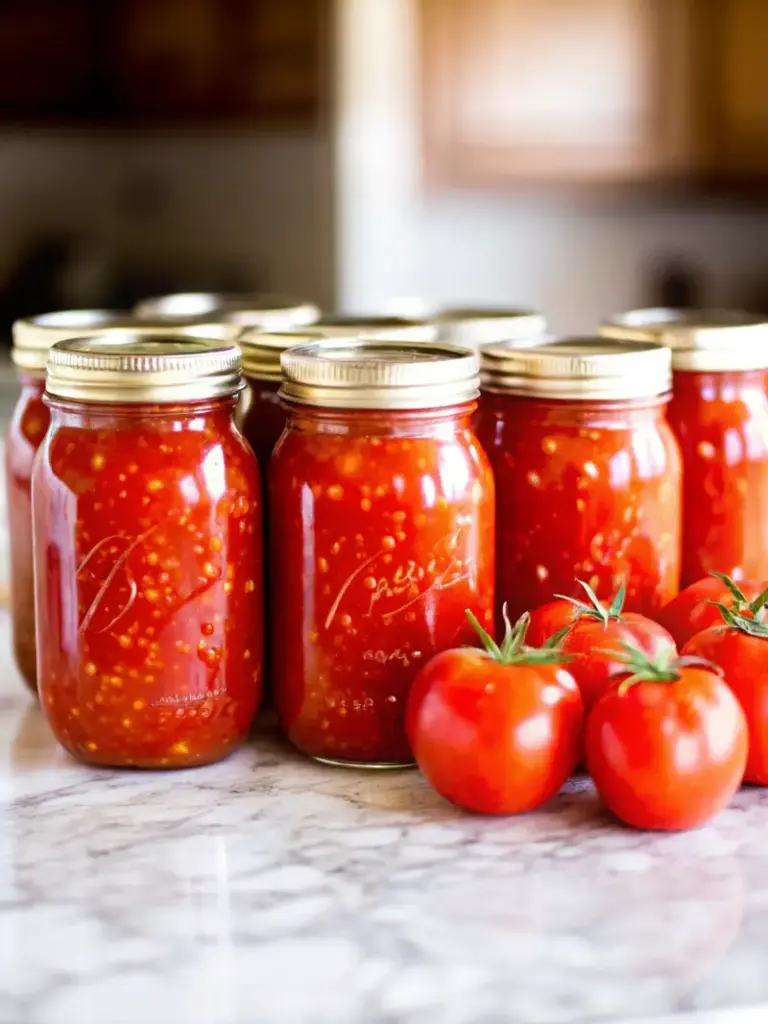
Canning tomatoes for beginners transforms abundant summer harvests into year-round culinary treasures. This water bath canning method safely preserves 10 pounds of fresh tomatoes in just 90 minutes, creating shelf-stable jars that maintain exceptional flavor and nutrition for up to 18 months. By following proper techniques—from blanching and sterilizing to precise processing times—you’ll master this rewarding skill confidently.
Ready to start your canning journey? Grab those fresh tomatoes and try this recipe today! Share your canning success stories and any questions in the comments below—we’d love to hear about your experience. Don’t forget to subscribe to our blog for more preservation tutorials, seasonal recipes, and homesteading tips delivered straight to your inbox. Your pantry will thank you!

FAQs
Q: Do I need special equipment to start canning tomatoes for beginners?
You’ll need a water bath canner (or a very large stockpot with a rack), canning jars with new lids and bands, a jar lifter, canning funnel, and bubble remover tool. This basic starter kit costs $40-60 and lasts for years, making it a worthwhile investment for anyone serious about home preservation.
Q: Can I use tomatoes from my garden that have slight blemishes?
Yes, you can use garden tomatoes with minor blemishes—simply cut away any damaged areas before processing. However, avoid using tomatoes from frost-killed or diseased vines, as these may have compromised acidity levels that make them unsafe for canning.
Q: Why is lemon juice necessary for canning tomatoes?
Modern tomato varieties often have lower acidity than heirloom types. Lemon juice guarantees the pH stays below 4.6, preventing the growth of Clostridium botulinum bacteria that cause botulism. This is a critical safety measure that should never be skipped or reduced.
Q: How can I tell if my jars sealed properly?
After jars cool completely (12-24 hours), press the center of each lid. A properly sealed lid won’t flex or make a clicking sound. You can also check visually—sealed lids are slightly concave (curved inward). Any unsealed jars should be refrigerated and used within a week.
Q: Can I add garlic, herbs, or other ingredients to my canned tomatoes?
Yes, but with caution. Dried herbs, garlic cloves, and spices can be added safely since they don’t significantly affect acidity. However, never add fresh onions, peppers, or other vegetables without following a tested recipe specifically designed for those ingredients, as they can alter pH levels dangerously.
Q: What should I do if a jar doesn’t seal?
Refrigerate any unsealed jars immediately and use the contents within 5-7 days. Alternatively, you can reprocess the jar within 24 hours using a new lid, though quality may be slightly compromised. Always check why the seal failed (dirty rim, damaged jar, improper headspace) to prevent future issues.
Q: Is water bath canning safe for all tomato varieties?
Water bath canning is safe for most tomato varieties when acidified with lemon juice or citric acid. However, some very low-acid heirloom varieties may require additional acidification. When in doubt, add an extra tablespoon of lemon juice per quart for safety.
Beginner’s Water Bath Canning: How to Can Tomatoes Safely at Home
- Total Time: 1 hour 30 minutes
- Yield: 7 quart jars (about 14–18 cups) 1x
- Diet: Vegetarian
Description
Learn how to can tomatoes safely and easily with this step-by-step beginner’s guide. Preserve your garden’s summer bounty into delicious, shelf-stable jars that stay fresh for up to 18 months while retaining 95% of their nutrition.
Ingredients
- 10 lbs fresh tomatoes (Roma, San Marzano, or beefsteak)
- 1/4 cup bottled lemon juice (or 1/2 tsp citric acid per quart)
- 1 tsp canning or kosher salt (optional)
- Water, for blanching and canning
Instructions
- Wash tomatoes under cool water, removing stems and blemishes.
- Bring a large pot of water to a boil and prepare a separate bowl of ice water.
- Blanch tomatoes in boiling water for 30–60 seconds, then transfer to ice bath.
- Peel off skins, remove cores, and chop tomatoes to desired size.
- Sterilize canning jars by boiling for 10 minutes; keep warm until ready to fill.
- Combine chopped tomatoes, lemon juice, and optional salt in a large pot. Simmer for 5 minutes.
- Fill jars with hot tomato mixture, leaving 1/2 inch headspace. Remove air bubbles.
- Wipe rims clean, apply lids, and screw on bands fingertip tight.
- Process jars in a boiling water bath for 45 minutes (quarts) or 40 minutes (pints). Adjust for altitude if needed.
- Cool jars 12–24 hours, check seals, and store in a cool, dark place.
Notes
Always use bottled lemon juice or citric acid for consistent acidity. Store sealed jars in a cool, dark location up to 18 months. Once opened, refrigerate and use within 5–7 days.
- Prep Time: 30 minutes
- Cook Time: 1 hour
- Category: Preserving
- Method: Water Bath Canning
- Cuisine: American
Nutrition
- Serving Size: 1 cup
- Calories: 40
- Sugar: 6g
- Sodium: 5mg
- Fat: 0g
- Saturated Fat: 0g
- Trans Fat: 0g
- Carbohydrates: 9g
- Fiber: 2g
- Protein: 2g
- Cholesterol: 0mg
Keywords: canning tomatoes, how to can tomatoes, tomato canning for beginners, preserving tomatoes, water bath canning, homemade canned tomatoes