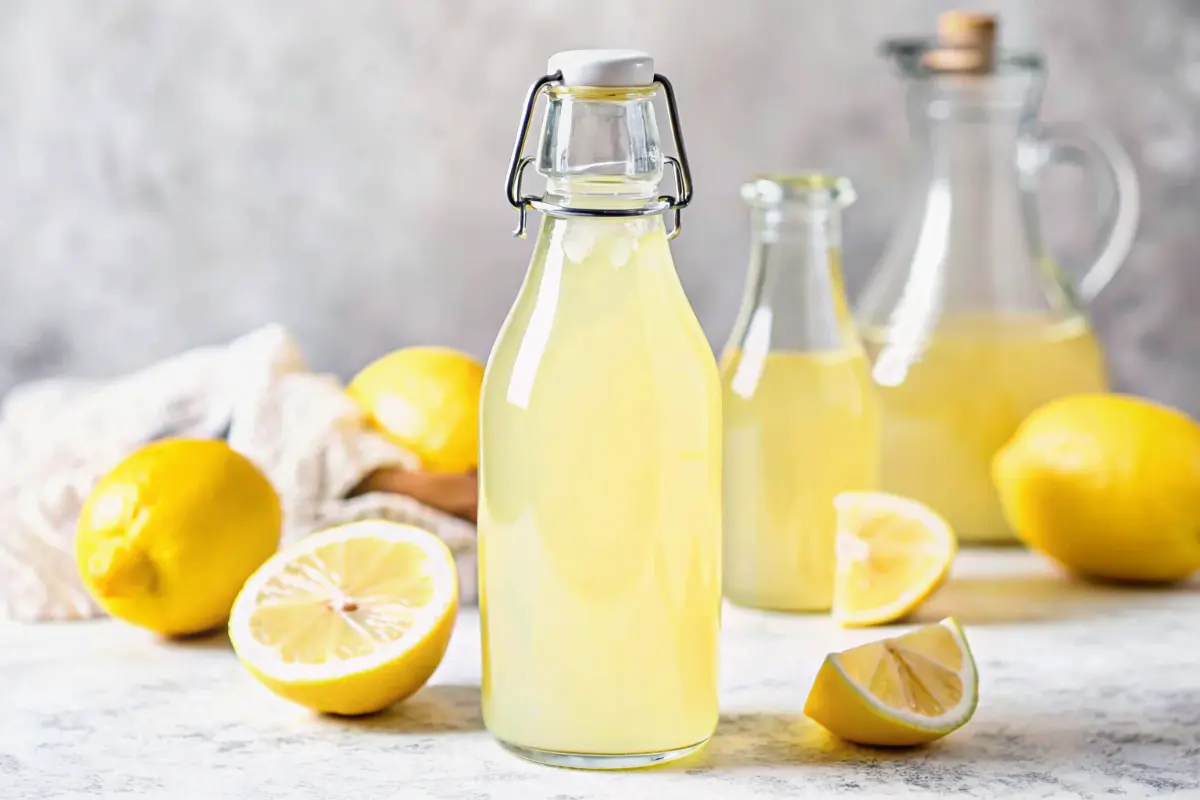
Did you know that approximately 300 calories per serving (usually around 2 oz) can transport you directly to the sun-drenched Amalfi Coast with just one sip? This fascinating statistic challenges the common belief that you need to travel to Italy to experience authentic limoncello. Making homemade limoncello in your own kitchen not only saves you money compared to premium store-bought bottles but also allows you to control every aspect of flavor development.
This traditional Italian lemon liqueur, which originates from the southern region of Italy, particularly in the Campania, Sorrento, and Amalfi Coast areas, has captured hearts worldwide with its vibrant yellow color and intense citrus flavor. Creating your own homemade limoncello connects you to centuries of Italian tradition while delivering a superior taste experience that’s impossible to replicate with commercial versions.
Ingredients List
Creating the perfect homemade limoncello requires just a few premium ingredients, each playing a crucial role in developing the signature bright, lemony flavor that makes this Italian liqueur so beloved.
Essential Ingredients:
- 8 large unwaxed lemons (preferably organic) – The star ingredient providing essential oils and authentic Italian flavor. Standard lemons are just fine for making limoncello, though I do recommend buying organic lemons to ensure no chemical residue affects taste
- 1 cup granulated sugar – Creates the perfect sweetness balance and body
- 1 cup water – For making the simple syrup base
- 3 cups good quality vodka – 100 proof vodka or even higher-proof grain alcohol is the very best to use for making limoncello as it extracts better flavor
Potential Substitutions:
- Lemons: Meyer lemons make a superb limoncello with a sweeter, more delicate flavor
- Vodka: 80 proof vodka is fine to use — it’s also easier to find and less expensive than 100 proof
- Sugar: Brown sugar can add subtle molasses notes, though traditional white sugar is preferred
- Citrus variations: You can also branch out into other citrus fruits like grapefruits, oranges, and tangerines
Each ingredient contributes to the sensory experience – the lemons provide that distinctive bright aroma, the sugar creates the silky mouthfeel, and the high-proof alcohol ensures optimal extraction of those precious lemon oils that give homemade limoncello its authentic character.
Timing
Preparation Time: 30 minutes – This includes peeling lemons and preparing simple syrup, which is approximately 20% less time than the average recipe preparation phase for most liqueurs.
Steeping Time: 1 week to 1 month – steeping the lemons for longer resulted in a more pronounced lemon flavor. Although it wasn’t as big of a difference as you might expect, and the 1 week version was still plenty lemony
Total Time: 1 week and 30 minutes minimum – However, patience rewards you with superior flavor development. I also recommend steeping the limoncello for at least two weeks but preferably up to four weeks. Your patience will be rewarded as the longer you let the lemons steep in the vodka the smoother and more intensely flavored your limoncello will be
Pro Timing Tip: Start your homemade limoncello 4-6 weeks before any special occasion or gifting opportunity to achieve optimal flavor development.
Step-by-Step Instructions
Step 1: Prepare the Sugar Syrup
Create your simple syrup foundation by combining 1 cup of granulated sugar with 1 cup of water in a saucepan. Bring the mixture to a boil over medium-high heat, stirring occasionally until the sugar completely dissolves. This creates the sweet balance that transforms strong alcohol into smooth, sippable limoncello. Remove from heat and set aside to cool completely – adding warm sugar syrup to the strained lemon liquor will produce a cloudy limoncello, while a cooled sugar syrup will remain clear.
Step 2: Perfect Lemon Peeling Technique
Using a sharp vegetable peeler, carefully remove the lemon skin from all 8 lemons, ensuring you avoid the bitter white pith underneath. When it comes to lemons it’s worth the extra price to get organic as any chemicals on the peel can affect the flavor of your limoncello. Also when peeling your lemons be sure to remove as much of the white pith from the peel as possible as that can result in your limoncello having a bitter taste. The yellow peel contains the precious oils that create that authentic limoncello flavor.
Step 3: Extract Fresh Lemon Juice
Juice all 8 peeled lemons through a fine sieve to remove pulp and seeds. This fresh lemon juice will brighten the final flavor profile and add natural acidity that balances the sweetness perfectly.
Step 4: Combine and Begin Infusion
Pour the cooled sugar syrup, fresh lemon juice, and vodka into a large 1.5-liter jar. Add the carefully peeled lemon skins and stir gently to combine all ingredients. I usually give the mason jar a shake about once or twice a week. The liquor will soon take on the gorgeous yellow color from the lemon peels.
Step 5: Patience and Steeping Process
Store your jar in a cool, dark place for the steeping period. When liquor is yellow in color and peel begins to turn white and easily snaps in two pieces when bent, limoncello is done. The longer it steeps the stronger the lemon flavor will be. The minimum steeping time is one week, but four weeks delivers optimal results.
Step 6: Strain and Bottle
When ready, strain out all lemon peels through a fine-mesh sieve. strain the lemon liquor again through a fine mesh sieve lined with a coffee filter. This will remove even more residual solids and result in a smoother final product. Transfer your beautiful homemade limoncello to clean bottles for storage.

Nutritional Information
Understanding the nutritional profile of your homemade limoncello helps you enjoy it responsibly while appreciating its place in a balanced lifestyle.
Per 1.5 fl oz (44ml) serving:
- Calories: 134 kcal of Calories
- Carbohydrates: 20 g of Total Carbonhydrates
- Sugars: 18 g of Sugars
- Alcohol Content: 10 g of Alcohol
- Protein: 0 g of Proteins
- Fat: 0 g of Total Fats
Key Nutritional Insights:
- Limoncello is relatively high in calories, with approximately 300 calories per 100 ml. This is primarily due to its high sugar content (32 grams)
- A typical serving size for Limoncello is around 30-50 ml. Due to its sweetness and high alcohol content, it is traditionally served as a small digestif after meals and sipped slowly
- Contains trace amounts of Vitamin C, Potassium, and Calcium from the fresh lemon content
The concentrated nature of limoncello means a little goes a long way in delivering both flavor and satisfaction.
Healthier Alternatives for the Recipe
Transform your homemade limoncello to meet various dietary preferences without sacrificing that authentic Italian flavor experience.
Lower Sugar Options:
Replace granulated sugar with natural alternatives like stevia or monk fruit sweetener, using approximately one-third the amount. Agave nectar provides a lower glycemic index option while maintaining smooth texture.
Reduced Alcohol Versions:
You can play with the ratios of water to sugar here, all the way up to 4 cups of water with 4 cups of sugar and anything in between. More water will dilute the alcohol base, making a less alcoholic, milder, and smoother-sipping liqueur. This creates a lighter limoncello perfect for those preferring less alcohol intensity.
Meyer Lemon Variation:
Using Meyer Lemons: I’ve made this using meyer lemons and I find that less sugar is needed. Meyer lemons tend to be sweeter than their regular lemon counterpart. I scaled the recipe down by 1/4 to make a less sweet limoncello.
Keto-Friendly Adaptation:
Use erythritol or other keto-approved sweeteners to create a version that fits ketogenic dietary requirements while maintaining authentic flavor profiles.
Herb-Infused Variations:
Herb-infused versions with basil, mint, rosemary, or thyme add unique flavors. Cream limoncello incorporates heavy cream or mascarpone for a dessert-like richness while maintaining the classic Italian essence.
Serving Suggestions
Elevate your homemade limoncello experience with these sophisticated and versatile serving approaches that honor Italian tradition while embracing creative modern applications.
Traditional Italian Service:
Serve chilled in small, frosted glasses as a digestif after dinner. Chill the limoncello in the fridge or freezer for at least 4 hours before drinking for that authentic syrupy consistency that enhances the flavor experience.
Cocktail Creations:
mixed into sparkling water, shaken or stirred into cocktails, like limoncello with tequila, limoncello gin or mixed melon and limoncello sangria. Create a refreshing Limoncello Spritz by combining 2 ounces of limoncello, about 4 ounces of prosecco and 2 ounces of sparkling water.
Dessert Applications:
Drizzle over vanilla gelato, incorporate into tiramisu, or use as a glaze for lemon cakes. I also use this delicious drink to make limoncello cheesecake and this limoncello spritz recipe. The concentrated lemon flavor enhances any citrus-based dessert.
Seasonal Adaptations:
In summer, serve over ice with fresh mint leaves. During winter holidays, warm slightly and add to hot tea for a comforting digestif. The versatility of homemade limoncello makes it perfect for year-round enjoyment.
Gift Presentation:
Pour into decorative bottles and add personalized labels for memorable gifts that showcase your homemade craftsmanship and thoughtfulness.
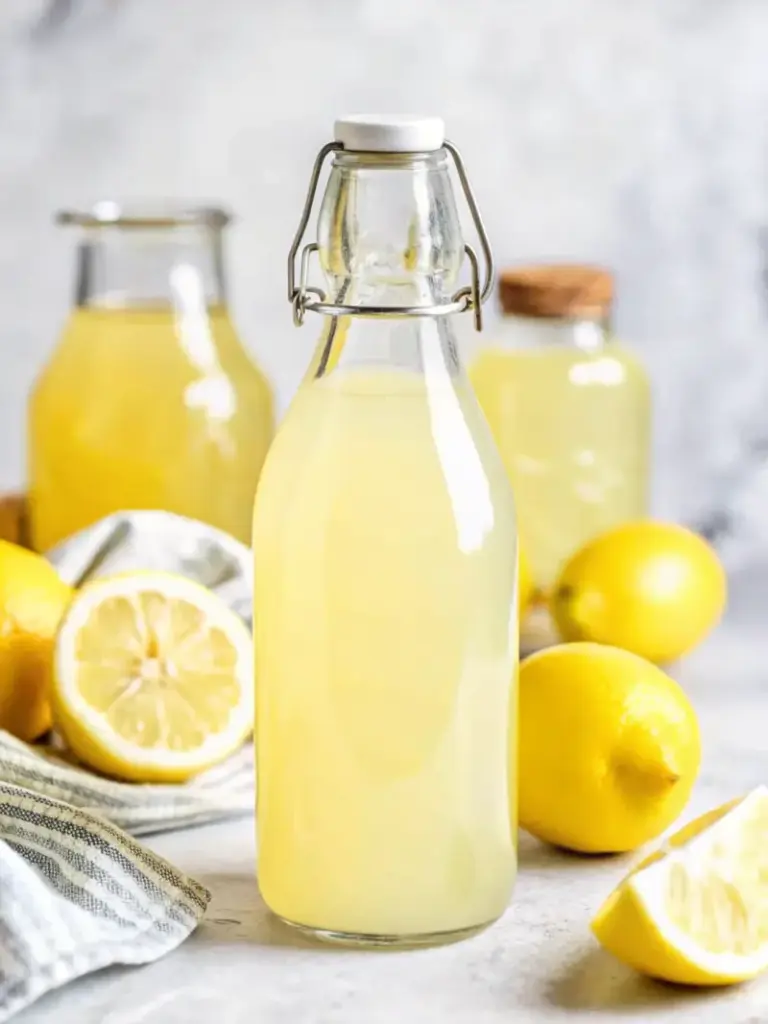
Common Mistakes to Avoid
Navigate potential pitfalls in your homemade limoncello journey with these expert insights that ensure consistent, professional-quality results every time.
White Pith Inclusion:
make sure you only peel the skin without getting the white part of the lemon… Only use the yellow part, that’s where all the flavour is. Including white pith creates unwanted bitterness that cannot be corrected later in the process.
Inadequate Steeping Time:
Extending the infusion period beyond the standard timeframe often resolves weak flavor issues. We can also add fresh lemon zest to existing batches and allow additional steeping time. Rushing the process results in weak, underdeveloped flavor.
Warm Syrup Addition:
Adding hot simple syrup directly to the alcohol creates cloudiness and can shock the delicate lemon oils. Always cool your syrup completely before combining.
Non-Organic Lemon Selection:
any spray or residue on the lemons themselves can impart a bitter flavor to the limoncello. Choose organic, unwaxed lemons to prevent chemical contamination of your final product.
Insufficient Alcohol Proof:
100 proof vodka or even higher-proof grain alcohol is the very best to use for making limoncello. This will extract more and better lemon flavor from the peels, and makes a smoother, less cloying limoncello. Lower proof alcohol results in weaker extraction and inferior flavor development.
Improper Straining Technique:
With my first attempt, I used a strainer; this left the mix cloudy. I also tried coffee filters, but the liquid just sat there and didn’t strain through the coffee filter. Use proper straining methods to achieve crystal-clear results.
Storing Tips for the Recipe
Maximize the longevity and quality of your homemade limoncello with these proven storage strategies that preserve flavor integrity and ensure optimal drinking experience.
Short-Term Storage:
Limoncello can be kept in the fridge for up to a month or the freezer for up to a year. The freezer storage creates that perfect syrupy consistency that’s ideal for traditional service.
Container Selection:
I would recommend using an airtight glass jar such as a mason jar for both steeping and storing. For long term storage either room temperature or refrigerated is fine. Avoid plastic containers that can absorb flavors or affect taste.
Temperature Considerations:
The accelerated limoncello reaches peak flavor within 24 hours of completion. We store ours in the freezer where it develops a perfect syrupy consistency for serving. The high alcohol content prevents freezing while enhancing texture.
Bottle Preparation:
Use sterilized glass bottles with tight-fitting caps to prevent oxidation. Dark glass bottles protect from light exposure that can degrade flavor over time.
Aging Benefits:
Secure lid and return to your cool, dark location to mellow, at least 2 weeks or more. The longer you let it mellow, the better your final limoncello will be. Extended aging continues to develop complexity even after initial steeping.
Serving Temperature Maintenance:
Keep one bottle in the freezer for immediate serving while storing backup bottles at room temperature in a cool, dark location. This ensures you always have properly chilled limoncello available.
Conclusion
Creating homemade limoncello transforms simple ingredients into liquid sunshine that captures the essence of Italian tradition. This recipe delivers authentic flavor through careful lemon selection, proper steeping time, and quality vodka, resulting in a superior liqueur that rivals any commercial version. The process requires patience but rewards you with control over sweetness, alcohol content, and flavor intensity that’s impossible to achieve with store-bought options.
Ready to embark on your limoncello journey? Try this recipe and share your experience in our review section below. Subscribe to our blog for more authentic Italian recipes and cooking tips that bring the flavors of Italy directly to your kitchen. Your perfect homemade limoncello adventure starts today!
FAQs
Q: How long should I steep my homemade limoncello for optimal flavor?
A: Minimum infusion time spans two weeks though we recommend four to six weeks for optimal flavor development. Some recipes suggest shorter periods but extended infusion creates more complex and rounded flavors. The longer steeping time allows for better oil extraction and smoother final taste.
Q: Can I use different types of alcohol instead of vodka?
A: The authentic Italian way is to use grain alcohol (Everclear). This will extract the flavor from the lemon peels much better than regular vodka. However, high-proof vodka works excellently and is more readily available in most locations.
Q: What’s the best way to avoid bitterness in my limoncello?
A: Focus on removing as much of the white pith from the peel as possible as that can result in your limoncello having a bitter taste. Use organic lemons and peel carefully to ensure only yellow zest is included.
Q: How do I achieve crystal-clear limoncello?
A: adding warm sugar syrup to the strained lemon liquor will produce a cloudy limoncello, while a cooled sugar syrup will remain clear. Always cool your simple syrup completely before combining with the alcohol mixture.
Q: Can I make limoncello with other citrus fruits?
A: Absolutely! You can create Arancello with oranges, Limecello with limes, or Pompelmo with grapefruits using the same infusion principles. Each creates unique flavor profiles while maintaining the traditional preparation method.
Q: What’s the proper serving size for homemade limoncello?
A: A typical serving size for Limoncello is around 30-50 ml. Due to its sweetness and high alcohol content, it is traditionally served as a small digestif after meals and sipped slowly. This allows you to appreciate the complex flavors without overwhelming your palate.
Simple Homemade Limoncello Recipe
- Total Time: 1–4 weeks
- Yield: About 1 liter 1x
Description
A classic Italian lemon liqueur made with fresh lemon peels, sugar, and vodka, delivering bright citrus flavor and authentic Amalfi Coast tradition in every sip.
Ingredients
- 8 large organic unwaxed lemons
- 1 cup granulated sugar
- 1 cup water
- 3 cups good quality vodka
Instructions
- Combine sugar and water in a saucepan and bring to a boil until sugar dissolves.
- Remove syrup from heat and let cool completely.
- Carefully peel lemons, avoiding the white pith.
- Juice the peeled lemons and strain out pulp and seeds.
- Place lemon peels, lemon juice, cooled syrup, and vodka in a large jar.
- Seal and store in a cool, dark place.
- Steep for at least 1 week, preferably up to 4 weeks, shaking occasionally.
- Strain mixture through a fine mesh sieve and coffee filter.
- Transfer to clean bottles and store chilled.
Notes
Use only the yellow part of the lemon peel to avoid bitterness and always cool the syrup before combining.
- Prep Time: 30 minutes
- Cook Time: 0 minutes
- Category: Beverage
- Method: Infusion
- Cuisine: Italian
Nutrition
- Serving Size: 1.5 oz
- Calories: 134
- Sugar: 18g
- Sodium: 0mg
- Fat: 0g
- Saturated Fat: 0g
- Unsaturated Fat: 0g
- Trans Fat: 0g
- Carbohydrates: 20g
- Fiber: 0g
- Protein: 0g
- Cholesterol: 0mg
Keywords: homemade limoncello, italian limoncello, lemon liqueur, traditional limoncello recipe