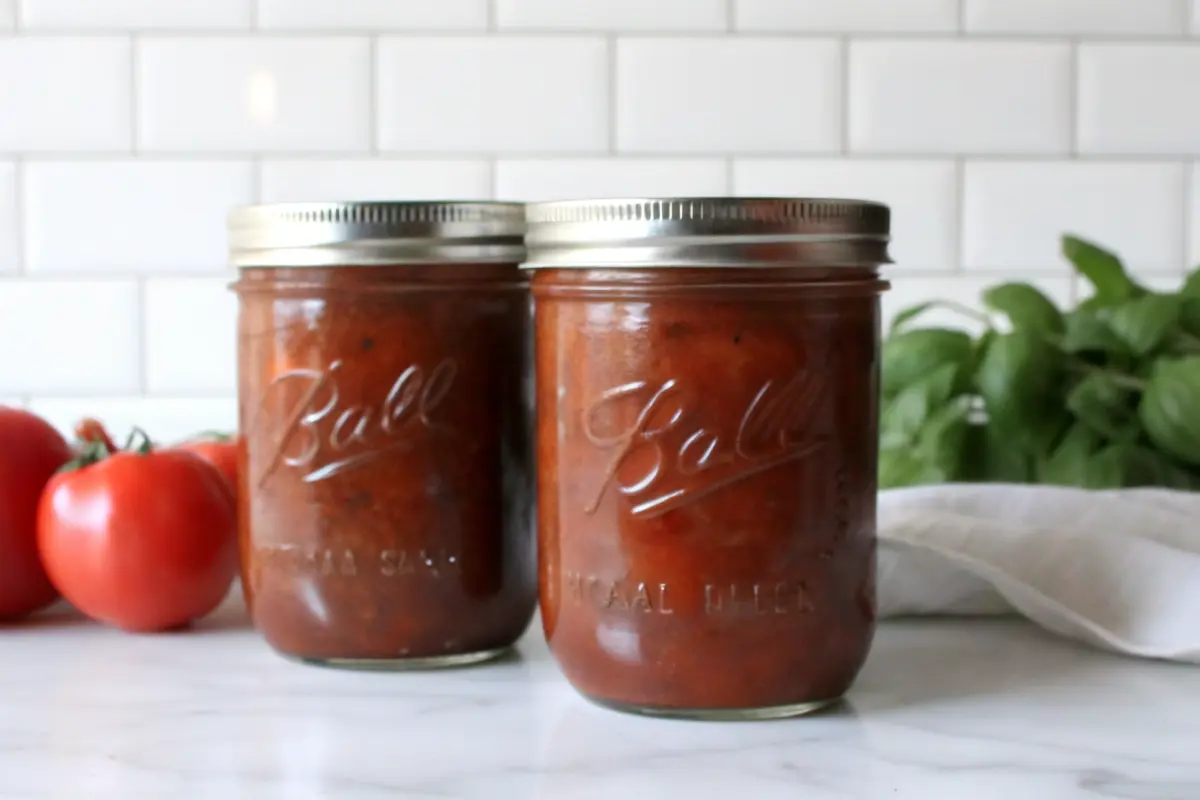
Have you ever wondered why homemade canned spaghetti sauce tastes so much better than store-bought alternatives, yet so few home cooks attempt to make it? The truth is, creating a recipe for spaghetti sauce for canning is far simpler than most people believe, and the results are absolutely worth the effort. Whether you’re looking to preserve your garden’s bounty or stock your pantry with flavorful, preservative-free sauce, this comprehensive guide will walk you through every step of the process.
Canning spaghetti sauce has become increasingly popular among home cooks seeking to reduce food waste, save money, and enjoy the satisfaction of preserving homemade meals. In fact, pressure canning—the safest method for low-acid sauces containing meat—ensures your preserved sauce remains shelf-stable for up to a year, making it the perfect pantry staple for busy weeknights. This guide focuses on a tried-and-tested recipe for spaghetti sauce for canning that incorporates quality ingredients and proven canning techniques to deliver consistent, delicious results every time.
Ingredients List
Creating the perfect recipe for spaghetti sauce for canning requires quality ingredients and proper measurements. Here’s everything you’ll need:
Base Ingredients:
- 30 lbs fresh tomatoes (approximately 90 medium tomatoes)
- 2.5 lbs ground meat (beef, sausage, venison, or turkey—optional but recommended for flavor depth)
- 5 cloves fresh garlic, minced
- 1 cup onions, finely chopped
- 1 cup celery or green peppers, chopped (optional)
- 1 lb fresh mushrooms, sliced (optional but adds earthy umami)
Seasonings & Flavor Enhancers:
- 4.5 teaspoons canning salt (not table salt, which contains additives)
- 2 tablespoons dried oregano
- 4 tablespoons fresh or dried parsley, minced
- 2 teaspoons freshly ground black pepper
- ¼ cup brown sugar (adjust to taste preference)
Pro Substitution Tips:
- For meat alternatives: Replace ground meat with finely chopped tofu or lentils for a vegetarian version
- For pepper options: Swap green peppers with roasted red peppers for added sweetness
- For fresh herbs: If using fresh herbs instead of dried, triple the amount and add during the last 15 minutes of simmering
- For sugar variations: Use honey or maple syrup in equal proportions for subtle flavor variations
Timing
Understanding the time commitment for this recipe for spaghetti sauce for canning helps you plan your day effectively:
- Preparation Time: 45 minutes (washing, peeling, and chopping tomatoes and vegetables)
- Cooking Time: 35-45 minutes (browning meat, sautéing vegetables, and simmering sauce)
- Canning Process Time: 60-70 minutes (depending on jar size and altitude adjustments)
- Cooling Time: 12+ hours (for proper seal formation and pressure release)
- Total Time Investment: Approximately 3-4 hours active work
This timeframe is comparable to other pressure canning recipes, though slightly longer than water bath canning methods. However, pressure canning is essential for this recipe for spaghetti sauce for canning due to the low-acid ingredients like mushrooms, onions, and meat.
Step-by-Step Instructions
Step 1: Prepare Your Tomatoes
Begin by washing your fresh tomatoes thoroughly under cool running water. Bring a large pot of water to a rolling boil and carefully dip tomatoes for 30-40 seconds until the skins split and begin to pucker. Transfer immediately to an ice bath to stop the cooking process. Once cooled, the skins should slip off easily. Core and quarter the tomatoes, reserving all juices.
Step 2: Create Your Tomato Base
Place the quartered tomatoes in a large 8-quart or larger stainless steel pot and bring to a boil over medium-high heat. Boil for exactly 20 minutes, stirring occasionally to prevent sticking. Pass the cooked tomatoes through a food mill or fine sieve to remove seeds and create a smooth pulp base. This step creates the foundation for your recipe for spaghetti sauce for canning.
Step 3: Brown the Ground Meat
In a separate large skillet, brown your ground meat over medium-high heat, breaking it into small pieces as it cooks. This process typically takes 10-12 minutes. Drain excess fat, leaving about 2 tablespoons in the pan for flavor. If using a plant-based alternative, proceed to Step 4.
Step 4: Sauté Aromatic Vegetables
Add minced garlic, chopped onions, celery or peppers, and fresh mushrooms to the browned meat. Sauté over medium heat for 8-10 minutes until all vegetables are completely tender and fragrant. This aromatic base develops complex flavors that distinguish homemade sauce from commercial versions.
Step 5: Combine and Season
Transfer the meat and vegetable mixture to your pot of tomato pulp. Add canning salt, dried oregano, parsley, black pepper, and brown sugar. Stir thoroughly to distribute seasonings evenly. Bring the mixture to a rolling boil, then reduce heat to medium-low and maintain a gentle simmer.
Step 6: Achieve the Perfect Consistency
Simmer the sauce uncovered for 35-45 minutes, stirring frequently to prevent burning on the bottom. The sauce should reduce by approximately half its original volume and reach a thick, spreadable consistency that clings to a spoon. This extended cooking time concentrates flavors and allows excess moisture to evaporate.
Step 7: Prepare Your Canning Equipment
While the sauce simmers during the final 15 minutes, sterilize your canning jars, lids, and bands by running them through a hot dishwasher or boiling them in water for 10 minutes. Keep equipment hot until ready to use. Set up your pressure canner according to manufacturer instructions, adding the required amount of water.
Step 8: Fill and Process Jars
Carefully ladle the hot sauce into sterilized jars, leaving exactly 1 inch of headspace at the top. Use a bubble remover tool to eliminate air pockets by sliding it around the inside edge of each jar. Wipe jar rims with a clean, damp cloth to remove any sauce residue. Place canning lids and bands on each jar, tightening bands only until finger-tip tight.
Step 9: Pressure Can Your Sauce
Load jars into the pressure canner and secure the lid. Allow steam to vent for 10 minutes before adding the weighted gauge or closing the dial gauge. For pint jars, process at 11 lbs pressure (dial gauge) or 10 lbs pressure (weighted gauge) for 60 minutes. For quart jars, process for 70 minutes at the same pressure. Adjust pressure according to your altitude.
Step 10: Cool and Verify Seals
Allow the canner to depressurize naturally—never force it. Remove jars carefully and place them on a clean towel, spacing them apart to allow air circulation. Let cool completely for 12+ hours. Press the center of each lid; properly sealed lids will be firm with no give. Any lids that flex up and down should be refrigerated and used within 3-4 days.

Nutritional Information
This recipe for spaghetti sauce for canning delivers substantial nutrition per serving (approximately ¾ cup):
| Nutrient | Amount |
|---|---|
| Calories | 113 kcal |
| Protein | 6g |
| Carbohydrates | 18g |
| Dietary Fiber | 5g |
| Total Fat | 3g |
| Saturated Fat | 1g |
| Cholesterol | 9mg |
| Sodium | 287mg |
| Potassium | 992mg |
| Vitamin A | 3,283 IU |
| Vitamin C | 58mg |
| Calcium | 48mg |
| Iron | 1mg |
| Sugar | 12g |
This canned spaghetti sauce is naturally high in lycopene from tomatoes, a powerful antioxidant linked to heart health. The fiber content supports digestive wellness, while the modest protein contribution makes this sauce versatile for various dietary approaches.
Healthier Alternatives for the Recipe
Transform this recipe for spaghetti sauce for canning into a nutritional powerhouse with these strategic modifications:
Lower-Sodium Version: Replace canning salt with half the amount, or use potassium-based salt alternatives. Omit the brown sugar entirely and rely on natural tomato sweetness.
Higher-Protein Option: Increase ground meat to 3 lbs or combine 1.5 lbs each of ground beef and Italian sausage. Alternatively, add 1.5 cups cooked lentils for plant-based protein elevation.
Low-Sugar Modification: Eliminate brown sugar entirely and add 2 tablespoons balsamic vinegar for depth. Reduce cooking time to 25-30 minutes to preserve bright tomato flavors.
Oil-Reduced Version: Cut vegetable oil to 1 tablespoon and brown meat in a non-stick skillet, then use cooking spray for sautéing vegetables.
Vegetable-Boosted Recipe: Add 2 cups grated zucchini, 1 cup diced carrots, and ½ cup finely chopped spinach to increase micronutrient density without compromising flavor.
Serving Suggestions
Elevate your canned spaghetti sauce beyond traditional pasta applications:
Classic Pairing: Serve over gluten-free or whole wheat pasta for added nutrition and fiber benefits.
Breakfast Twist: Use as a base for shakshuka by poaching eggs directly in the warm sauce for a protein-rich breakfast.
Layered Dish: Create vegetable lasagna by alternating sauce with ricotta mixture and vegetables.
Pizza Sauce: Reduce a jar of sauce by half through simmering to concentrate flavors for an exceptional homemade pizza base.
Soup Foundation: Combine one jar of sauce with vegetable or chicken broth to create a quick, nourishing minestrone soup.
Meat-Free Meatballs: Mix thickened sauce with cooked rice and herbs to form vegetarian meatballs.
Dipping Sauce: Heat sauce gently and serve with fresh mozzarella balls and crusty bread for an elegant appetizer.
Common Mistakes to Avoid
Successfully creating a recipe for spaghetti sauce for canning requires avoiding these frequent pitfalls:
Using a Water Bath Canner Incorrectly: This is a pressure canning recipe due to low-acid ingredients. Water bath canning is insufficient and unsafe. Always use a pressure canner as directed.
Skipping the Altitude Adjustment: Failing to adjust pressure for your elevation compromises safety. Research your altitude and adjust accordingly.
Overfilling Jars: Exceeding the 1-inch headspace prevents proper sealing. More headspace is acceptable; less is not.
Rushing the Cooling Process: Forcing pressure release or removing jars immediately after processing can break seals. Allow natural depressurization.
Using Table Salt: Iodine and anti-caking agents in table salt cloud your preserved sauce and affect flavor. Use canning salt exclusively.
Reusing Lids: Canning lids should never be reused. Always use new lids for each canning session to ensure reliable sealing.
Insufficient Simmering: Undercooked sauce may not reach proper consistency and flavor concentration. Simmer the full 35-45 minutes.
Storing Tips for the Recipe
Maximize the longevity and quality of your recipe for spaghetti sauce for canning:
Optimal Storage Conditions: Keep sealed jars in a cool (50-70°F), dark place away from direct sunlight. Basements and pantries are ideal. Avoid temperature fluctuations, which can compromise seals.
Shelf Life: Properly sealed jars remain shelf-stable for 12 months. After opening, refrigerate and use within 3-4 days.
Freezer Alternative: If you prefer freezing over canning, cool sauce completely and pour into freezer-safe containers, leaving ½-inch headspace. Freeze for up to 6 months.
Organization System: Label jars with the date and contents for easy identification. Use older jars first to maintain rotation.
Opened Jar Storage: Transfer unused portions to airtight containers and refrigerate, using within 3-4 days.
Batch Preparation: Make multiple batches during peak tomato season (August-September) to ensure year-round supply.
Ingredient Prep Ahead: Wash and peel tomatoes the day before, storing refrigerated in a colander to drain excess liquid overnight.
Conclusion
Mastering a recipe for spaghetti sauce for canning transforms your approach to meal preparation and pantry management. This comprehensive guide provides everything needed to safely preserve homemade sauce using proper pressure canning techniques. The result delivers superior flavor, nutrition, and cost savings compared to commercial alternatives. With careful attention to food safety guidelines and altitude adjustments, you’ll create shelf-stable sauce that brings convenience and culinary satisfaction to your table for an entire year.
FAQs
Q: Can I use a water bath canner for this recipe for spaghetti sauce for canning?
A: No. This recipe contains low-acid ingredients (mushrooms, onions, and meat) that require pressure canning to reach safe internal temperatures and prevent botulism. Water bath canning is unsafe for this formula.
Q: How long does canned spaghetti sauce last?
A: Properly sealed jars remain shelf-stable for 12 months in cool, dark storage. After opening, refrigerate and consume within 3-4 days.
Q: Can I substitute fresh herbs for dried in this recipe for spaghetti sauce for canning?
A: Yes, but only in the final 15 minutes of cooking. Use triple the dried amount, as fresh herbs lose potency during extended heat exposure. Fresh herbs added earlier may not contribute adequate preservation properties.
Q: What if my jars didn’t seal properly?
A: Refrigerate unsealed jars immediately and use the sauce within 3-4 days. Alternatively, re-process: cool jars to room temperature, replace with new lids, and process again following original timing.
Q: Can I make this recipe for spaghetti sauce for canning without meat?
A: Absolutely. Simply omit ground meat and increase vegetables by 50% for texture and bulk. The canning process remains identical.
Q: How do I adjust this recipe for high altitude?
A: Adjust only the pressure, not the processing time. At 2,000-4,000 feet elevation, use 12 lbs pressure (dial gauge) or 15 lbs (weighted gauge). Research your specific altitude for exact adjustments.

Best Recipe for Spaghetti Sauce for Canning with Meat: Pressure Canning Made Easy
- Total Time: 3–4 hours (including canning)
- Yield: 6–7 quarts 1x
Description
This comprehensive guide walks you through making rich, flavorful spaghetti sauce designed specifically for safe home canning. Using fresh tomatoes, herbs, and (optional) meat, this recipe ensures shelf-stable, preservative-free sauce that lasts up to a year.
Ingredients
- 30 lbs fresh tomatoes (about 90 medium)
- 2.5 lbs ground meat (beef, sausage, venison, or turkey – optional)
- 5 cloves garlic, minced
- 1 cup onions, finely chopped
- 1 cup celery or green peppers, chopped (optional)
- 1 lb mushrooms, sliced (optional)
- 4.5 tsp canning salt
- 2 tbsp dried oregano
- 4 tbsp parsley, minced
- 2 tsp black pepper
- 1/4 cup brown sugar (or honey/maple syrup alternative)
Instructions
- Prepare Tomatoes: Wash tomatoes, blanch 30–40 seconds in boiling water, transfer to an ice bath, peel, core, and quarter.
- Cook Base: Add tomatoes to a large pot and boil 20 minutes, stirring occasionally. Pass through a food mill to remove seeds and skins.
- Brown Meat: In a large skillet, brown ground meat 10–12 minutes. Drain, leaving 2 tbsp fat for flavor.
- Sauté Veggies: Add garlic, onions, celery or peppers, and mushrooms. Cook until tender (8–10 minutes).
- Combine & Season: Mix meat and vegetables into tomato pulp. Add salt, herbs, pepper, and brown sugar. Simmer gently.
- Simmer: Cook uncovered 35–45 minutes until sauce thickens and reduces by about half.
- Prepare Equipment: Sterilize jars, lids, and bands. Keep hot until use. Prepare pressure canner with water as per manufacturer instructions.
- Fill Jars: Ladle hot sauce into jars, leaving 1-inch headspace. Remove bubbles, wipe rims, and apply lids finger-tight.
- Pressure Can: Process pints 60 minutes, quarts 70 minutes at 11 lbs (dial gauge) or 10 lbs (weighted gauge). Adjust pressure for altitude.
- Cool & Store: Let canner depressurize naturally. Cool jars 12+ hours. Check seals before storing in a cool, dark place.
Notes
Always use a pressure canner for low-acid ingredients. Never substitute table salt for canning salt. Store sealed jars up to 12 months in a cool, dark place. Refrigerate opened jars and use within 3–4 days.
- Prep Time: 45 minutes
- Cook Time: 1 hour 15 minutes
- Category: Canning
- Method: Pressure Canned
- Cuisine: Italian-American
Nutrition
- Serving Size: 3/4 cup
- Calories: 113
- Sugar: 12g
- Sodium: 287mg
- Fat: 3g
- Saturated Fat: 1g
- Unsaturated Fat: 2g
- Trans Fat: 0g
- Carbohydrates: 18g
- Fiber: 5g
- Protein: 6g
- Cholesterol: 9mg
Keywords: spaghetti sauce, canning recipe, homemade sauce, tomato sauce, pressure canning, pantry storage