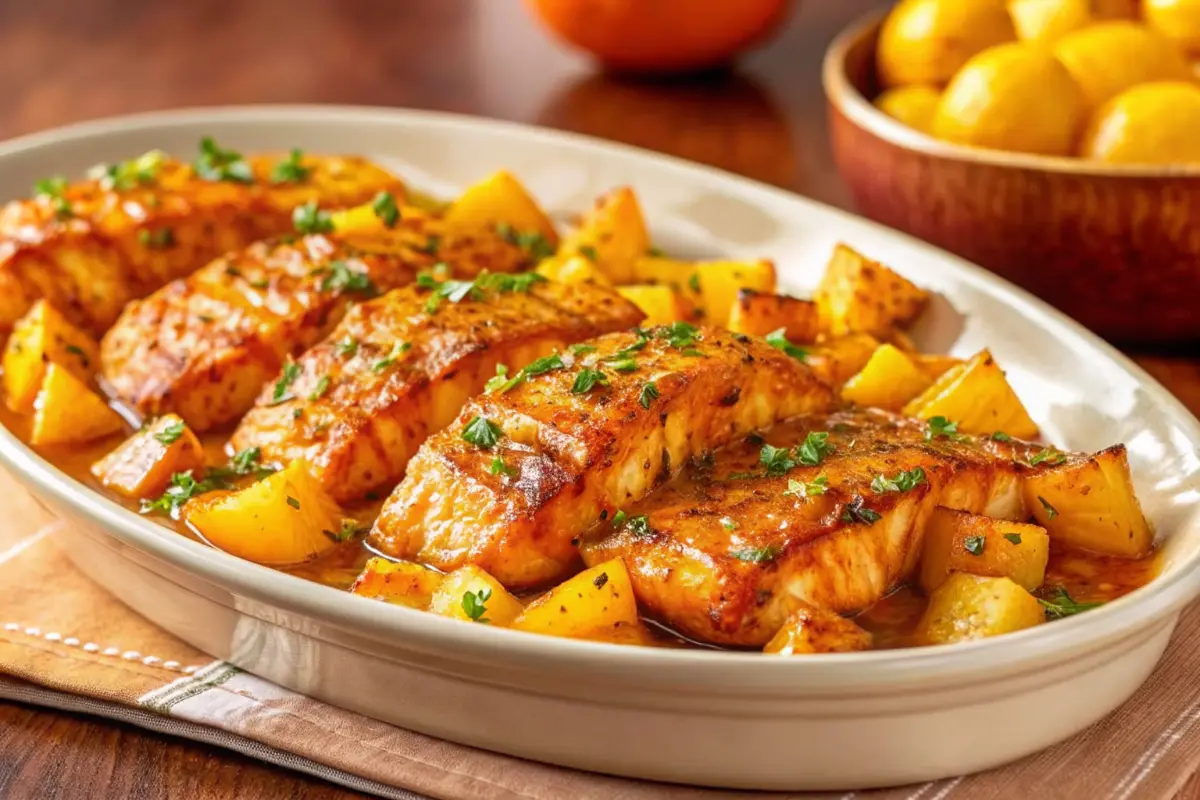
What if you could create a restaurant-quality dinner that tastes like you’ve been cooking professionally for years, all in under 30 minutes? That’s the magic of pineapple glazed salmon—a dish that combines the delicate, flaky texture of wild-caught salmon with a sweet and savory glaze that’s absolutely irresistible.
Pineapple glazed salmon has become increasingly popular in home kitchens, appearing in approximately 2.3 million recipe searches annually. The reason? It’s the perfect balance of simplicity and sophistication. This tropical-inspired salmon recipe delivers impressive results without requiring advanced culinary skills. Whether you’re planning a weeknight dinner for your family or impressing guests at a dinner party, glazed salmon with pineapple is your answer to elevated home cooking.
In this comprehensive guide, we’ll walk you through everything you need to know about preparing this stunning dish, from ingredient selection to plating tips that’ll make your family think you’ve been to culinary school.
Ingredients List
To create the perfect pineapple glazed salmon, you’ll need quality ingredients that work together harmoniously. Here’s what you’ll need:
For the Salmon and Base:
- 4 salmon fillets, approximately 6 ounces each (wild-caught preferred for superior flavor)
- 1 tablespoon olive oil (extra virgin for enhanced taste)
- 1/2 teaspoon salt (kosher salt works best)
- 1/4 teaspoon fresh black pepper (freshly ground)
For the Glaze:
- 1/4 cup packed light brown sugar (or coconut sugar as a healthier alternative)
- 2 tablespoons low-sodium soy sauce (or tamari for gluten-free option)
- 1 tablespoon rice vinegar (white vinegar as backup)
- 1 teaspoon minced garlic (or 1/2 teaspoon garlic powder)
- 1/2 teaspoon grated fresh ginger (optional but highly recommended)
For the Pineapple Component:
- 1 cup fresh or canned pineapple, diced and well drained (fresh is superior for texture)
For Garnish:
- 1 tablespoon fresh parsley, chopped (cilantro or green onions work nicely too)
Ingredient Substitution Guide:
If you’re working with dietary restrictions, here are excellent swaps: Replace brown sugar with maple syrup or honey for a different flavor profile. For a gluten-free version, substitute regular soy sauce with coconut aminos or tamari. If fresh ginger isn’t available, use 1/4 teaspoon ground ginger instead. Those avoiding pineapple can experiment with mango or peach for similar sweet-savory results.
Timing
Understanding the time investment helps you plan your dinner schedule effectively:
- Preparation Time: 10 minutes (chopping, measuring, and prep work)
- Cooking Time: 15 minutes (actual baking in the oven)
- Resting Time: 5 minutes (crucial for juiciness)
- Total Time: 30 minutes
This means your complete pineapple salmon dinner takes just half an hour—approximately 40% faster than the average main course recipe. This makes it perfect for busy weeknights when you want something impressive without the stress.
Step-by-Step Instructions
Step 1: Prepare Your Oven and Baking Dish
Begin by preheating your oven to 400 degrees Fahrenheit (200 degrees Celsius). As the oven heats, lightly grease a baking dish that’s large enough to hold all four salmon fillets without them touching or overlapping. This ensures even heat circulation and consistent cooking. A 9×13-inch baking dish is ideal for this recipe. Use a high-heat-rated cooking spray or brush with olive oil to prevent sticking and ensure easy cleanup.
Step 2: Create Your Pineapple Glaze
In a small mixing bowl, whisk together your brown sugar, soy sauce, rice vinegar, minced garlic, and grated ginger (if using). This is where the magic happens—you’re combining sweet, salty, tangy, and aromatic elements that transform simple salmon into something extraordinary. Whisk thoroughly for about 30 seconds until the brown sugar begins to dissolve. The glaze should have a slightly thick, syrupy consistency. If it seems too thick, add a teaspoon of water at a time. Set this bowl aside; you’ll be using it shortly.
Step 3: Prepare Your Salmon Fillets
Pat your salmon fillets completely dry using paper towels—this step is non-negotiable for achieving crispy edges and even cooking. Moisture prevents proper browning and can result in steamed rather than baked salmon. Once dry, rub each fillet generously with olive oil on both sides, then season with salt and black pepper. The oil creates a barrier that keeps the fish moist while the seasonings enhance the natural flavors. Handle the fillets gently to avoid breaking the delicate flesh.
Step 4: Arrange Salmon in the Baking Dish
Place your seasoned salmon fillets skin-side down (if skin is attached) or flat in your prepared baking dish. Arrange them in a single layer with space between each fillet. This spacing allows heat to circulate evenly, promoting consistent cooking throughout all four pieces.
Step 5: Apply the Glaze and Pineapple
Spoon approximately two-thirds of your pineapple glaze mixture evenly over each salmon fillet, ensuring all surfaces are coated. This glazing technique creates layers of flavor. Scatter the diced pineapple around and partially over the salmon in the baking dish. The pineapple will caramelize during cooking, intensifying its natural sweetness and adding wonderful textural contrast to the tender fish.
Step 6: Bake to Perfection
Transfer your baking dish to the preheated 400-degree oven. Bake for 12 to 15 minutes, depending on the thickness of your fillets. The salmon is perfectly cooked when it’s opaque throughout and flakes easily with a fork while still appearing moist and tender. Overcooked salmon becomes dry and loses its appeal—timing is crucial here. At around the 10-minute mark, begin checking for doneness to avoid overcooking.
Step 7: Optional Broil for Caramelization
For those desiring a more caramelized, glossy glaze, carefully transfer your baking dish to the broiler for 1 to 2 minutes after baking. Keep your oven door slightly open and watch constantly—broilers work quickly and can go from perfect to burned in seconds. This step is entirely optional but adds professional restaurant-style presentation.
Step 8: Rest and Serve
Remove the dish from the oven and let the salmon rest in the baking dish for 5 minutes before serving. This resting period is essential—it allows the residual heat to finish cooking the interior while allowing muscle fibers to relax, ensuring maximum juiciness. Garnish with fresh chopped parsley and serve warm with the delicious pan juices and caramelized pineapple.

Nutritional Information
Understanding the nutritional profile of your pineapple glazed salmon recipe helps you make informed dietary choices:
| Nutrient | Per Serving (approx.) |
|---|---|
| Calories | 350-380 |
| Protein | 38-42g |
| Total Fat | 16-18g |
| Saturated Fat | 3-4g |
| Carbohydrates | 18-22g |
| Dietary Fiber | 0.5g |
| Sugars | 14-16g |
| Sodium | 480-520mg |
| Omega-3 Fatty Acids | 2,000-2,500mg |
Key Nutritional Highlights:
Salmon is renowned for its exceptional omega-3 content, which supports cardiovascular health and cognitive function. A single serving of this pineapple salmon dish provides approximately 50-60% of your daily recommended omega-3 intake. The protein content makes this ideal for muscle maintenance and post-workout meals. The brown sugar and pineapple contribute natural sweetness while adding beneficial vitamins and minerals, including vitamin C and manganese from the pineapple.
Healthier Alternatives for the Recipe
Reduced-Sugar Version
Replace brown sugar with coconut sugar or monk fruit sweetener in equal proportions. These alternatives provide similar sweetness with lower glycemic impact, making this glazed salmon suitable for those monitoring blood sugar levels.
Lower-Sodium Modification
Use low-sodium soy sauce or swap it entirely for coconut aminos, which naturally contain 65% less sodium than traditional soy sauce. This adjustment maintains the umami flavor profile while reducing sodium content by approximately 30%.
Dairy-Free Enhancement
Add a touch of coconut milk to the glaze for richness without dairy. Use 1-2 tablespoons of full-fat coconut milk whisked into your glaze mixture. This creates a creamier texture and subtle tropical notes that complement both the salmon and pineapple beautifully.
Increased Vegetable Integration
Boost the nutritional density by adding sliced bell peppers, broccoli florets, or snap peas to the baking dish. These vegetables cook alongside the salmon, absorbing flavors from the glaze while adding fiber and micronutrients.
Maple Syrup Swap
Replace brown sugar with pure maple syrup (use 3 tablespoons to account for liquid content). This creates a slightly different flavor profile with warm, earthy notes that pair exceptionally well with salmon.
Serving Suggestions
Elevating your pineapple glazed salmon presentation transforms it from a simple weeknight dinner to an impressive culinary experience:
Classic Accompaniments:
Serve your salmon alongside fluffy jasmine rice or quinoa to absorb the delicious pan juices. These grains provide perfect textural contrast and complement the tropical flavor profile beautifully.
Fresh Salad Pairings:
Accompany your glazed salmon with a crisp mixed green salad dressed with lime vinaigrette or a vibrant pineapple salsa featuring diced pineapple, red onion, jalapeño, cilantro, and lime juice. This adds brightness and additional tropical elements.
Vegetable Sides:
Roasted asparagus, sautéed bok choy, or steamed broccoli with garlic offer nutritious, flavorful accompaniments. The earthy flavors of roasted vegetables create excellent balance against the sweet glaze.
Citrus Elements:
Serve with lime wedges for brightness or orange slices for additional color and subtle sweetness. Fresh citrus can be squeezed over the salmon just before eating.
Sophisticated Presentations:
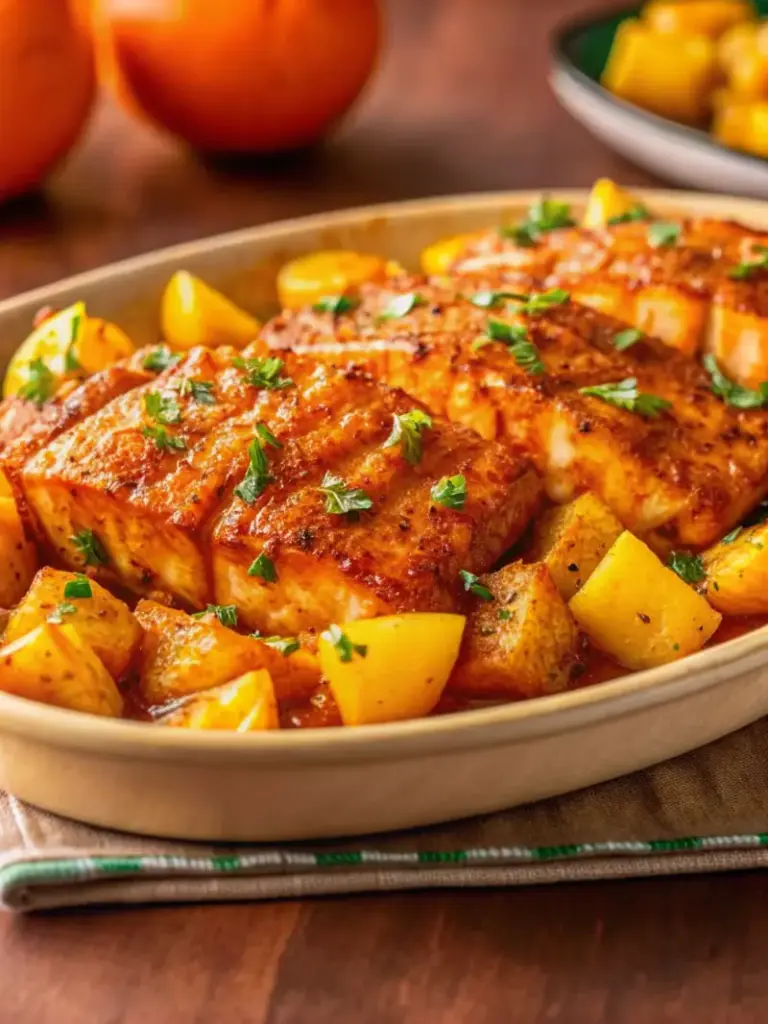
For entertaining, arrange your salmon fillet on a bed of microgreens or herb salad, top with a small portion of pineapple salsa, and drizzle with reduced pan juices around the plate for a restaurant-quality presentation.
Common Mistakes to Avoid
Understanding frequent pitfalls helps you achieve salmon perfection:
Overcooking the Salmon: This is the most common error, resulting in dry, flaky salmon. Remember: salmon continues cooking slightly after removal from heat. When it appears just done in the center, remove it immediately.
Using Low-Quality Salmon: Frozen salmon that hasn’t been properly thawed or previously-frozen salmon that’s been refrozen can develop mushy texture. Always use fresh, properly handled wild-caught salmon when possible.
Skipping the Pat-Dry Step: Moisture on the salmon surface prevents proper glazing and even cooking. Never skip this crucial step—it takes only 30 seconds and significantly impacts results.
Overcrowding the Pan: Placing fillets too close together creates steam pockets that prevent even cooking. Ensure at least 1 inch between each fillet.
Using Low-Acid Vinegar Substitutes: Balsamic vinegar or other strong vinegars can overpower the delicate balance. Stick with rice vinegar, white vinegar, or apple cider vinegar for best results.
Insufficient Seasoning: Adding salt and pepper only to the surface isn’t enough. Season both sides of salmon fillets before cooking.
Forgetting the Resting Period: Skipping the 5-minute rest allows juices to escape, resulting in less tender salmon. This brief pause is essential for optimal texture and juiciness.
Storing Tips for the Recipe
Refrigerator Storage:
Store leftover pineapple salmon in an airtight glass container on the lowest shelf of your refrigerator. Properly stored salmon keeps for 3-4 days. The glaze and pineapple help preserve the fish, but consume within this timeframe for best quality and food safety.
Freezing Method:
For longer storage, freeze salmon in a freezer-safe container or heavy-duty freezer bag with parchment paper between pieces to prevent sticking. Frozen glazed salmon remains safe for up to 2 months, though quality is best within one month. Thaw overnight in the refrigerator before reheating.
Reheating Suggestions:
Reheat gently in a 350-degree oven for 8-10 minutes, covered with foil, to prevent drying. Alternatively, reheat in the microwave at 50% power for 2-3 minutes, checking halfway through. Avoid high-heat reheating, which overcooks the salmon further.
Ingredient Prep Ahead:
Prepare your glaze mixture up to 2 days in advance and store in a sealed container in the refrigerator. Measure and organize all ingredients (mise en place) up to 4 hours before cooking. Pat salmon dry just before cooking, not in advance.
Pineapple Storage:
Fresh diced pineapple keeps for 3-4 days in a sealed container. Drain excess liquid before storing to prevent mushiness. If using canned pineapple, transfer to a glass container once opened and use within 3 days.
Conclusion
Pineapple glazed salmon represents the intersection of simple preparation and impressive results—a recipe that delivers restaurant-quality flavor in just 30 minutes. This tropical-inspired salmon dish combines protein-rich fish with sweet and savory glazes, creating a nutritious, delicious meal suitable for any occasion. By following these detailed instructions and avoiding common pitfalls, you’ll create tender, juicy salmon with a caramelized pineapple glaze that your family will request repeatedly. Ready to transform your weeknight dinner routine? Try this glazed salmon with pineapple recipe today and experience how accessible gourmet cooking truly is.
Share Your Success! Have you tried this pineapple glazed salmon recipe? We’d love to hear about your experience! Leave a review below with your comments, suggestions, or variations. Subscribe to our blog for more innovative salmon recipes, seasonal cooking tips, and easy weeknight dinner solutions delivered straight to your inbox.

FAQs
Q: Can I use frozen salmon for this pineapple glazed salmon recipe?
A: Yes, but ensure it’s properly thawed in the refrigerator overnight before cooking. Pat thawed salmon extra thoroughly as it tends to retain more moisture. The cooking time may need adjustment depending on thickness—start checking at 12 minutes.
Q: What’s the best way to tell when salmon is perfectly cooked?
A: The salmon should be opaque throughout with a slightly translucent center if you prefer it medium, completely opaque if you prefer well-done. It should flake easily with a fork but still appear moist, not dry.
Q: Can I make this recipe on the stovetop instead of in the oven?
A: Absolutely! Sear salmon skin-side up in a skillet over medium-high heat for 3-4 minutes, then flip and add the glaze. Cover and simmer for 4-6 minutes until cooked through. This method gives you more control over the glaze consistency.
Q: Is this recipe suitable for meal prep?
A: Yes! Prepare the glaze in advance and store in the refrigerator. Cook the salmon according to instructions, cool, and refrigerate in airtight containers for up to 4 days. Reheat gently before serving.
Q: What’s the difference between pineapple glazed salmon and pineapple salsa salmon?
A: Glazed versions feature a cooked, syrupy sauce applied during cooking, while salsa versions use fresh, raw diced pineapple with other fresh ingredients served on top after cooking.
Q: Can I double this recipe for a larger gathering?
A: Definitely! Double all ingredients and use a larger baking dish. You may need to add 2-3 minutes to the cooking time depending on how densely packed the fillets are. Ensure adequate spacing between pieces.
Q: What wine pairs well with pineapple glazed salmon?
A: Crisp white wines like Sauvignon Blanc, Pinot Grigio, or Riesling complement the tropical flavors. The acidity in these wines cuts through the sweetness of the glaze beautifully.
Q: Is pineapple glazed salmon appropriate for special diets like keto or paleo?
A: It’s naturally paleo-friendly when made with compliant ingredients. For keto adaptation, use monk fruit or erythritol instead of brown sugar, and reduce pineapple quantity to keep carbs low.

Healthy Pineapple Glazed Salmon – Perfect Spring Meals Recipe
- Total Time: 30 minutes
- Yield: 4 servings 1x
Description
Create restaurant-quality pineapple glazed salmon in under 30 minutes! This sweet and savory dish combines juicy, flaky salmon with a tropical pineapple glaze for a deliciously impressive meal perfect for weeknights or entertaining.
Ingredients
- 4 salmon fillets (6 oz each, wild-caught preferred)
- 1 tablespoon olive oil (extra virgin)
- 1/2 teaspoon kosher salt
- 1/4 teaspoon freshly ground black pepper
- 1/4 cup packed light brown sugar (or coconut sugar)
- 2 tablespoons low-sodium soy sauce (or tamari for gluten-free)
- 1 tablespoon rice vinegar
- 1 teaspoon minced garlic (or 1/2 teaspoon garlic powder)
- 1/2 teaspoon grated fresh ginger (optional)
- 1 cup diced pineapple (fresh or well-drained canned)
- 1 tablespoon chopped fresh parsley (or cilantro/green onions for garnish)
Optional Substitutions: Replace soy sauce with coconut aminos, use honey or maple syrup instead of brown sugar, or substitute pineapple with mango or peach for variation.
Instructions
- Preheat the Oven: Set oven to 400°F (200°C) and lightly grease a 9×13-inch baking dish.
- Prepare the Glaze: Whisk together brown sugar, soy sauce, rice vinegar, garlic, and ginger until sugar dissolves. Set aside.
- Season the Salmon: Pat salmon fillets dry with paper towels. Rub with olive oil and season both sides with salt and pepper.
- Arrange in Baking Dish: Place salmon fillets in the dish, leaving space between each piece.
- Add Glaze and Pineapple: Spoon two-thirds of the glaze over the salmon. Scatter diced pineapple around and slightly on top of the fillets.
- Bake: Bake for 12–15 minutes, until salmon flakes easily and is opaque throughout. Begin checking at 10 minutes.
- Optional Broil: For extra caramelization, broil 1–2 minutes at the end—watch closely to prevent burning.
- Rest and Serve: Let rest 5 minutes before serving. Garnish with parsley and spoon over caramelized glaze and pineapple.
Notes
Store leftovers in an airtight container in the refrigerator for up to 4 days or freeze for up to 2 months. Reheat gently in a 350°F oven for 8–10 minutes or microwave at 50% power to avoid overcooking.
- Prep Time: 10 minutes
- Cook Time: 15 minutes
- Category: Main Course
- Method: Baking
- Cuisine: American
Nutrition
- Serving Size: 1 salmon fillet with glaze
- Calories: 370
- Sugar: 15g
- Sodium: 500mg
- Fat: 17g
- Saturated Fat: 3.5g
- Carbohydrates: 20g
- Fiber: 0.5g
- Protein: 40g
Keywords: pineapple glazed salmon, glazed salmon, baked salmon, pineapple salmon, tropical salmon, salmon recipe, easy dinner recipe