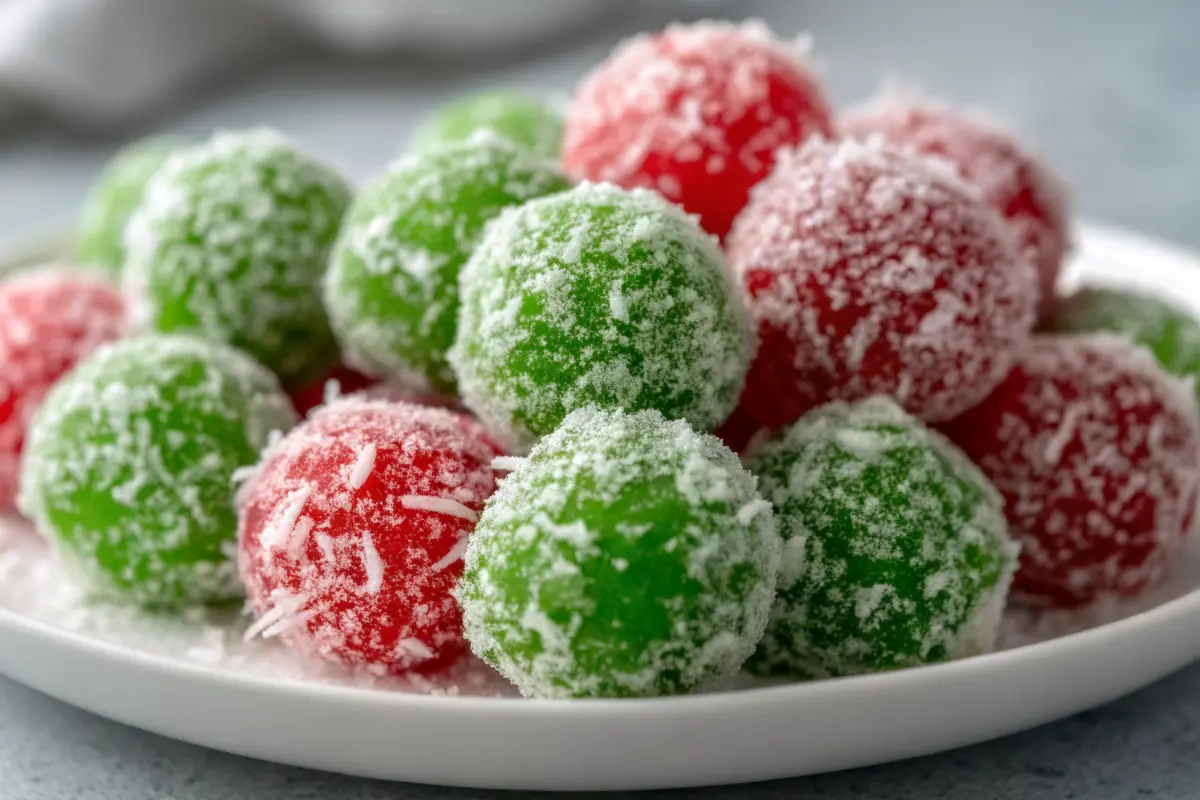
Have you ever wondered why Christmas Jello Balls have become one of the most sought-after holiday desserts across North America, with countless variations appearing on festive tables each December? These vibrant, no-bake confections represent more than just a treat—they’re a festive tradition that combines simplicity with elegance, making them the perfect addition to your holiday menu.
Christmas Jello Balls are rapidly gaining popularity among home bakers seeking quick, impressive desserts that don’t require oven time. In fact, these colorful delights have become synonymous with easy holiday entertaining. Unlike complex holiday recipes that demand hours of preparation, Christmas Jello Balls deliver professional-looking results in under 15 minutes of active preparation time.
If you’re searching for easy Christmas treats, crowd-pleasing no-bake holiday desserts, or a simple recipe that impresses guests, Christmas Jello Balls are your answer. This comprehensive guide will walk you through creating these stunning treats using straightforward techniques and readily available ingredients, perfect for anyone from beginner bakers to seasoned holiday entertainers.
Ingredients List
Creating perfect Christmas Jello Balls requires just a handful of quality ingredients. Here’s what you’ll need to bring this festive vision to life:
Core Ingredients:
- 1 box Lime Jello (3 oz) – creates the vibrant green layer
- 1 box Strawberry Jello (3 oz) – provides the rich red color
- 6½ cups sweetened Desiccated Coconut (divided) – the essential coating and texture component
- 1½ cups plain Greek Yogurt (divided) – the creamy binding agent that sets these apart
Optional Ingredient Substitutions:
For those seeking variations or working with dietary restrictions, consider these alternatives:
- Condensed Milk Option: Replace Greek yogurt with sweetened condensed milk (1 can/300ml) for a richer, more traditional flavor profile.
- Thick Cream Alternative: Use high-fat thick cream (170mL or ¾ cup) for an ultra-luxurious texture and deeper, creamier taste.
- Coconut Variation: Substitute unsweetened desiccated coconut if you prefer less sweetness, though note that it absorbs more moisture, potentially requiring less coconut or more binding agent.
- Flavor Experimentation: Try blue Jello (using raspberry) for winter-themed balls, or orange and yellow varieties for festive platter diversity.
The beauty of Christmas Jello Balls lies in their adaptability—you can customize them based on ingredient availability and personal preference while maintaining the integrity of this beloved recipe.
Timing
Understanding the timeline for Christmas Jello Balls helps you plan your holiday baking schedule effectively:
Preparation Time: 15 minutes (active mixing, rolling, and coating)
Chilling Time: 4 hours minimum (or overnight for optimal results)
Total Time: Approximately 4 hours 15 minutes
Yield: Approximately 36 balls (standard 1-tablespoon size)
This timeline is remarkably efficient compared to traditional holiday desserts, which often require 2-3 hours of baking time alone. The 4-hour chilling period is passive time—perfect for attending to other holiday preparations while your treats set beautifully in the refrigerator.
Step-by-Step Instructions
Step 1: Prepare Your Workspace
Begin by covering a baking sheet or moveable surface with parchment paper and setting it aside. This prevents sticking and makes transfer to storage containers seamless later. Having your workspace ready ensures smooth workflow and prevents the mixture from warming while you scramble for supplies.
Step 2: Separate Your Jello Mixtures
Get two medium mixing bowls and place the green Lime Jello in one bowl and the red Strawberry Jello in the other. Keeping colors separate from the start prevents muddy, unappealing color mixing and ensures vibrant, Instagram-worthy presentation.
Step 3: Combine Yogurt and Jello
Place ¾ cup of plain Greek yogurt into each bowl containing the dry Jello powder. The Greek yogurt acts as the perfect binding agent, creating a creamy base that holds these balls together while remaining light and pleasant on the palate.
Step 4: Mix the Base Layer
Stir each mixture thoroughly with different stirring utensils to prevent color contamination. Mix until fully combined, ensuring no dry Jello powder remains. The mixture should be smooth, evenly colored, and free of lumps—this consistency is crucial for rolling.
Step 5: Incorporate the Coconut
Place 2½ cups of sweetened desiccated coconut into each bowl. Stir until the coconut is evenly distributed throughout, ensuring every particle is coated with the Jello-yogurt mixture. If the mixture appears too sticky (a common occurrence with the red mixture), add an additional ¼ cup of coconut gradually until you achieve a rollable consistency.
Step 6: Prepare Coating Bowls
Get two small bowls and place ¾ cup of coconut into each one. These shallow bowls serve as your coating stations, making the next step efficient and preventing waste.
Step 7: Roll the Balls
Don gloves to keep your hands clean and prevent warmth from softening the mixture prematurely. Using a tablespoon measure, scoop portions of the red mixture and roll them between your palms into 1-tablespoon-sized balls. Immediately after rolling each ball, roll it in the corresponding bowl of coconut until fully coated on all sides. Place the finished balls on your prepared parchment-lined pan. Pro tip: If your hands warm up and the mixture starts sticking, lightly butter your palms for smoother rolling.
Step 8: Repeat with Green Mixture
Repeat the rolling and coating process with the green mixture using the second bowl of coconut, ensuring colors remain distinct and visually appealing.
Step 9: Refrigerate Until Set
Place the entire pan of balls in the refrigerator, uncovered, for a minimum of 4 hours or preferably overnight. The gelatin mixture will be noticeably gooey initially—this is completely normal and expected. As they chill, they firm up perfectly, developing the ideal texture for serving.

Nutritional Information
Understanding the nutritional profile of Christmas Jello Balls helps you make informed choices and plan your holiday menu accordingly:
| Nutrient | Per Ball |
|---|---|
| Calories | 101 kcal |
| Carbohydrates | 4g |
| Protein | 2g |
| Total Fat | 9g |
| Saturated Fat | 8g |
| Fiber | 2g |
| Sugar | 1g |
| Sodium | 8mg |
| Cholesterol | 0.4mg |
Additional Micronutrients: Each ball provides minimal but measurable amounts of Vitamin A, Vitamin C, Calcium, and Iron, making these treats more nutrient-dense than traditional holiday confections.
The protein content (2g per ball) comes from the Greek yogurt, making these treats slightly more substantial than typical gelatin-based desserts. The fiber (2g) from the coconut contributes to satiety, and the relatively modest sugar content (1g) makes these suitable for moderately controlled diets.
Healthier Alternatives for Christmas Jello Balls
Creating nutritionally enhanced versions of Christmas Jello Balls allows you to enjoy these treats while aligning with various dietary goals:
Lower-Sugar Variation: Substitute regular Jello with sugar-free gelatin options and use unsweetened desiccated coconut. This reduces sugar content significantly while maintaining authentic flavor and texture. Keep in mind that unsweetened coconut absorbs more moisture, so you may need to adjust quantities by using slightly less coconut or additional yogurt.
Protein-Enhanced Version: Mix in protein-enriched coconut flakes or add a tablespoon of protein powder to the Jello-yogurt mixture. Your guests won’t detect the difference, and you’ll boost the nutritional profile substantially.
Dairy-Free Option: Replace Greek yogurt with coconut cream or cashew cream for a vegan-friendly adaptation that maintains the creamy, luxurious texture essential to the recipe’s success.
Extra-Creamy Indulgence: Add one tablespoon of sour cream or canned thick cream to the Jello mixture for enhanced richness without significantly altering the recipe structure.
Superfood Twist: Incorporate ground freeze-dried berries or green powder into the mixture for functional nutrition benefits and subtle flavor complexity.
Serving Suggestions
Presenting Christmas Jello Balls with creativity elevates them from simple treats to impressive holiday centerpieces:
Classic Holiday Platter: Arrange red and green balls alternately on a white ceramic platter, garnished with fresh peppermint leaves and gold leaf for elegant sophistication. This presentation captures the quintessential Christmas aesthetic while highlighting your recipe’s vibrant colors.
Tiered Display: Use cake stands of varying heights to create visual interest. Place balls on the upper tiers for dramatic presentation at holiday parties and buffet tables.
Individually Wrapped Gifts: Package balls in clear cellophane bags tied with festive ribbons. These make charming, edible gifts for neighbors, coworkers, and friends—perfect for easy Christmas treats for gifts.
Patriotic Variation: Create red and blue balls for Independence Day or patriotic events, offering versatility beyond the traditional Christmas season.
Mixed Flavor Tasting Board: Combine your Christmas Jello Balls with complementary treats like chocolate truffles, peppermint bark, and shortbread cookies for a comprehensive holiday dessert board.
Kid-Friendly Presentation: Serve smaller ½-tablespoon-sized balls (which yield double the quantity) on decorative picks or wooden skewers for easy grab-and-eat consumption at children’s holiday parties.
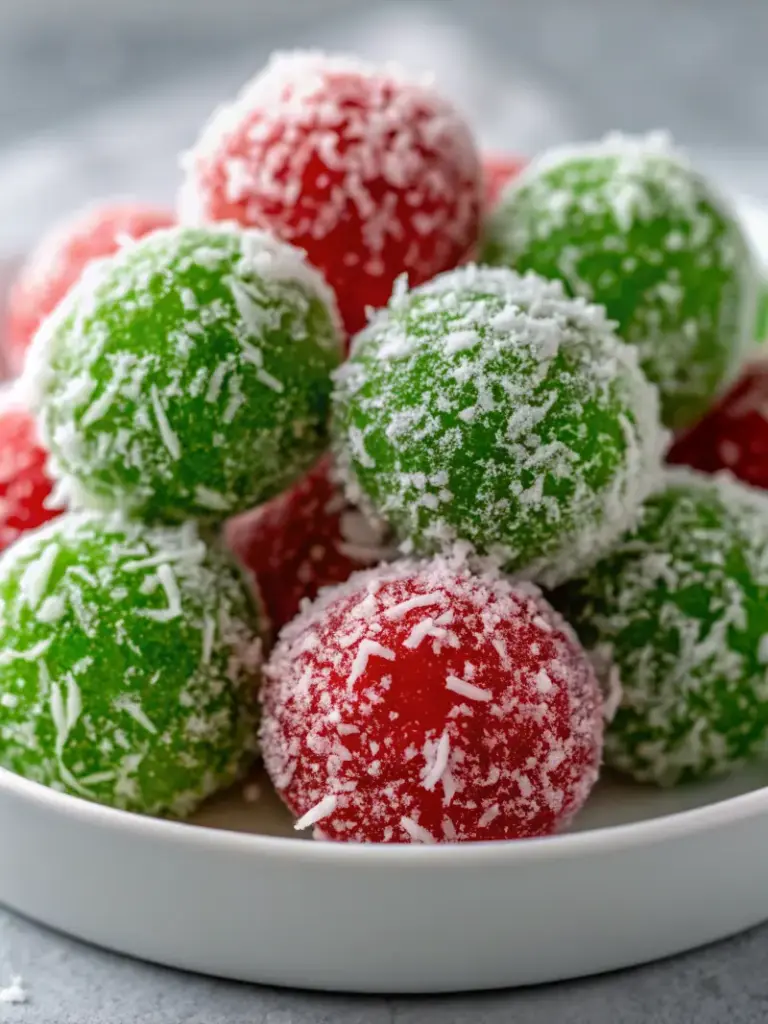
Remember it later!
Planning to try this recipe soon? Pin it for a quick find later!
Common Mistakes to Avoid
Preventing issues ensures your first batch of Christmas Jello Balls succeeds perfectly:
Mistake #1: Using the Wrong Coconut Type
The most critical error involves confusing shredded coconut with desiccated coconut. Shredded varieties are coarser and create a crumbly texture that prevents proper rolling. Always select finely grated or desiccated coconut for optimal results.
Mistake #2: Mixing Shredded and Desiccated
Some recipes call for “shredded” when they mean “desiccated”—these aren’t interchangeable. The fine particle size of desiccated coconut ensures smooth, cohesive balls that hold their shape beautifully.
Mistake #3: Confusing Thick Cream with Heavy Cream
If adapting recipes using thick cream (Carnation or Fussell’s brand), never substitute regular heavy cream. They’re fundamentally different products, and the substitution disrupts the recipe’s chemical balance.
Mistake #4: Rolling at Warm Temperatures
Warm hands cause the mixture to soften excessively, resulting in misshapen, sticky balls. Keep hands cool, use gloves, and work quickly to maintain integrity.
Mistake #5: Insufficient Chilling Time
While 4 hours is the minimum, overnight refrigeration produces superior results. Rushing this step results in balls that maintain slight softness rather than achieving optimal firmness.
Mistake #6: Color Contamination
Using the same utensil for both colors creates muddy, unappealing results. Always maintain separate utensils and bowls to preserve vibrant, distinct coloring.
Mistake #7: Over-Mixing the Jello Powder
While thorough mixing is important, over-mixing can incorporate air or alter texture. Mix just until combined and smooth.
Storing Tips for Christmas Jello Balls
Proper storage techniques maximize shelf life and maintain quality throughout the holiday season:
Refrigerator Storage: Store finished balls in an airtight container placed in the refrigerator for up to 2 weeks. The sealed container prevents them from absorbing refrigerator odors and losing moisture. Ensure the container has a tight-fitting lid for optimal freshness preservation.
Freezer Storage: For extended preservation, place balls on a baking sheet in a single layer and freeze until solid. Transfer frozen balls to an airtight container or heavy-duty freezer bag, removing excess air to prevent freezer burn. Properly stored Christmas Jello Balls maintain quality for up to 2 months in the freezer.
Thawing Process: Remove frozen balls from the freezer and thaw in the refrigerator for several hours or overnight before serving. This gradual thawing prevents condensation and maintains texture integrity.
Pre-Preparation Strategy: You can prepare these balls up to one week in advance, making them ideal for busy holiday schedules. Prepare them early, store in the refrigerator, and simply serve when guests arrive.
Ingredient Prep-Ahead: While the finished product stores well, prepare all ingredients (measure coconut, have Jello boxes ready, yogurt thawed) up to three days in advance, minimizing last-minute preparation stress.
Conclusion
Christmas Jello Balls represent the ultimate intersection of simplicity, elegance, and holiday tradition. With just four ingredients, minimal active preparation time, and straightforward instructions, anyone can create these stunning treats that consistently impress holiday guests. The versatility of this recipe—accommodating various dietary preferences, flavor variations, and presentation styles—ensures these balls earn a permanent place on your annual holiday menu. Whether you’re seeking easy Christmas treats for parties, gifts, or family gatherings, this no-bake classic delivers exceptional results every time.
Ready to create your own festive masterpiece? Try this Christmas Jello Balls recipe today and experience why these colorful confections have become holiday favorites worldwide. Share your results in our comment section below—we’d love to see your creative variations! Subscribe to our blog for more innovative holiday recipes and entertaining ideas delivered straight to your inbox.
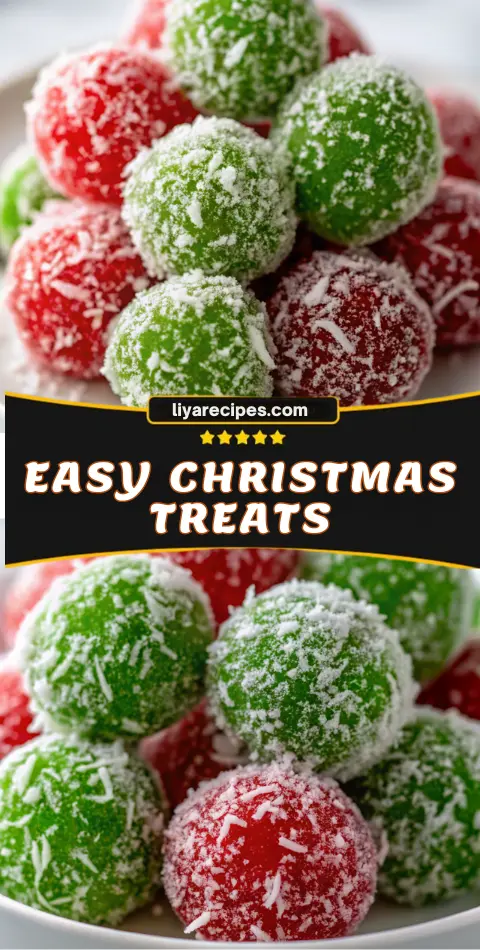
FAQs
Q: Can I make Christmas Jello Balls in advance?
A: Absolutely! You can prepare them up to one week ahead and store them in an airtight container in the refrigerator. For even longer storage, freeze them for up to two months, thawing overnight in the refrigerator before serving.
Q: What’s the difference between Greek yogurt and condensed milk versions?
A: Greek yogurt creates a lighter, slightly tangy flavor profile with added protein, while condensed milk produces a richer, sweeter result. Both work beautifully—choose based on your taste preference and dietary needs.
Q: Why is my mixture too sticky to roll?
A: Add additional desiccated coconut gradually (¼ cup at a time) until you achieve the desired consistency. The red mixture often requires more coconut than the green variant.
Q: Can I use sugar-free Jello?
A: Yes, sugar-free Jello works perfectly with this recipe, creating a lower-sugar option without compromising texture or flavor.
Q: What size should the balls be?
A: Standard balls are 1-tablespoon size, yielding approximately 36 pieces. You can make smaller ½-tablespoon balls for double the quantity, which works equally well for appetizer-style service.
Q: How do I prevent my hands from getting sticky while rolling?
A: Wear food-grade gloves, butter your palms lightly, or work in a cool environment. Keep hands away from warm areas and work quickly to maintain proper texture.
Q: Can I experiment with different Jello flavors?
A: Absolutely! Try blue Jello (raspberry) for winter themes, orange for Halloween variations, or red and blue for patriotic occasions. The recipe adapts beautifully to flavor variations.
Q: Why must I use desiccated coconut instead of shredded?
A: Desiccated coconut has a finer particle size that creates smooth, rollable balls, while shredded coconut produces crumbly, difficult-to-shape mixtures.
Simple Christmas Desserts: Make These Viral Easy Christmas Treats at Home
- Total Time: 4 hours 15 minutes
- Yield: 36 balls 1x
Description
These Christmas Jello Balls are the ultimate no-bake holiday dessert — festive, colorful, and ready in just 2 hours! Made with lime and strawberry Jello, Greek yogurt, and coconut, these chewy red-and-green bites deliver joyful flavor and easy holiday magic.
Ingredients
- 1 box Lime Jello (3 oz)
- 1 box Strawberry Jello (3 oz)
- 6½ cups sweetened Desiccated Coconut (divided)
- 1½ cups plain Greek Yogurt (divided)
Optional Substitutions:
- Replace Greek yogurt with 1 can (300ml) sweetened condensed milk for a richer flavor
- Use thick cream (170ml) for an extra creamy version
- Substitute unsweetened desiccated coconut for less sweetness (adjust moisture as needed)
- Experiment with blue, orange, or yellow Jello for themed variations
Instructions
- Line a baking sheet with parchment paper and set aside.
- In separate bowls, place lime Jello in one and strawberry Jello in another to keep colors distinct.
- Add ¾ cup Greek yogurt to each bowl and mix until smooth.
- Add 2½ cups desiccated coconut to each bowl and stir until well combined. Add ¼ cup more coconut if mixture is sticky.
- Set up two small bowls with ¾ cup coconut each for coating.
- Roll each mixture into 1-tablespoon balls, coat with coconut, and place on the baking sheet.
- Repeat with both red and green mixtures.
- Refrigerate uncovered for at least 4 hours or until firm. Serve chilled.
Notes
Store in an airtight container in the refrigerator for up to 2 weeks or freeze for up to 2 months. For best results, chill overnight and keep red and green batches separate to prevent color transfer. Perfect make-ahead treat for festive parties or edible gifts.
- Prep Time: 15 minutes
- Cook Time: 0 minutes
- Category: Dessert
- Method: No Bake
- Cuisine: Holiday
Nutrition
- Serving Size: 1 ball
- Calories: 101
- Sugar: 1g
- Sodium: 8mg
- Fat: 9g
- Saturated Fat: 8g
- Unsaturated Fat: 1g
- Trans Fat: 0g
- Carbohydrates: 4g
- Fiber: 2g
- Protein: 2g
- Cholesterol: 0mg
Keywords: Christmas Jello Balls, no bake holiday dessert, easy Christmas treats, coconut balls, festive sweets, Greek yogurt jello balls