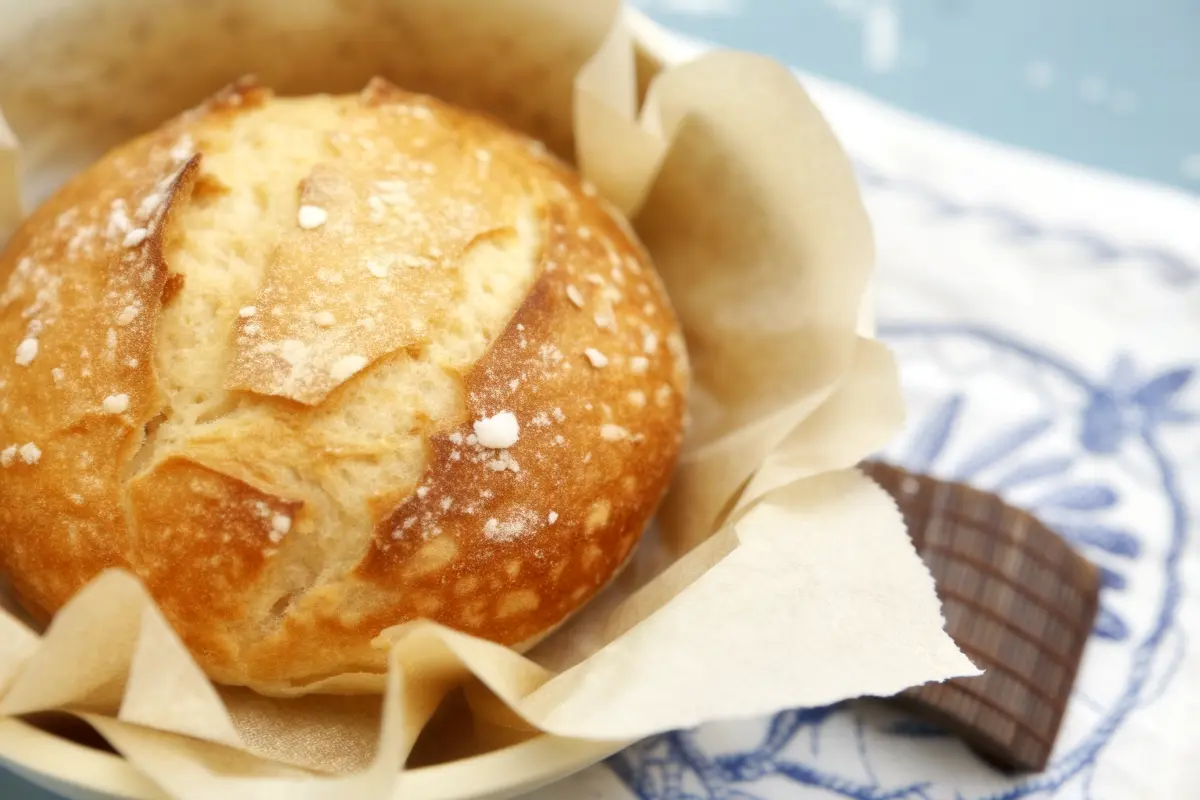
Did you know that you can create bakery-quality artisan bread at home with just 4 simple ingredients and only 5 minutes of hands-on time? If you’ve been intimidated by bread baking or thought you didn’t have the skill to master yeast-based recipes, it’s time to discover the game-changing magic of no knead bread dutch oven baking.
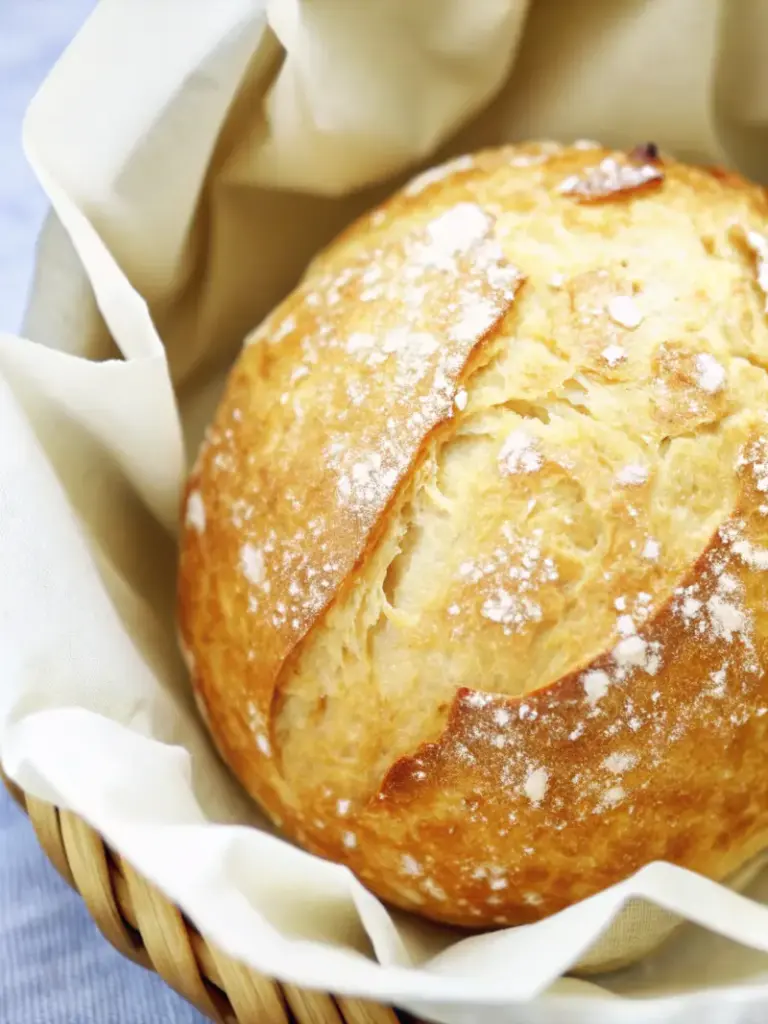
The no knead bread dutch oven method has revolutionized home baking, eliminating the need for extensive kneading, complex rise schedules, and advanced techniques. This approach transforms your Dutch oven into a professional steam chamber, trapping moisture to create that coveted crusty exterior and tender, airy crumb structure you’d expect from a $7 artisan loaf at a high-end bakery.
Whether you’re a complete beginner or someone who’s had past baking disappointments, this no knead bread dutch oven recipe delivers consistent, stunning results every single time. In this comprehensive guide, we’ll walk you through everything you need to know to bake impressive homemade bread that will have your friends and family wondering where you ordered it from.
Ingredients List
Creating exceptional no knead bread dutch oven loaves starts with quality, simple ingredients. Here’s everything you’ll need:
Dry Ingredients:
- 3 cups all-purpose flour (plus extra for shaping) – This provides the foundation for your dough structure. Use the spoon-and-level method when measuring to avoid packing flour into your measuring cup, which can result in a denser loaf.
- 2 teaspoons sea salt – Enhances flavor and strengthens gluten development. You can reduce this to 1 teaspoon if you prefer a milder salt profile.
- 1 to 2 teaspoons active dry yeast – The leavening agent that creates rise and those beautiful air pockets. Red Star and Fleischmann’s brands work excellently for no knead bread dutch oven recipes.
Wet Ingredients:
- 1½ cups warm water (110-115°F) – Temperature is crucial here; water that’s too hot will kill the yeast and prevent proper fermentation, while water that’s too cold will slow the rising process significantly.
Equipment Essentials:
- Dutch oven (2¾ to 6-quart capacity with a lid)
- Large mixing bowl
- Wooden spoon or dough whisk
- Measuring cups and spoons
- Parchment paper
- Oven mitts or kitchen towels
Timing
Understanding the timeline for no knead bread dutch oven baking helps you plan your baking day effectively:
- Active Preparation Time: 5 minutes
- Bulk Fermentation: 8 to 24 hours (depending on temperature and your schedule)
- Pre-bake Rest: 15 to 30 minutes
- Preheat Time: 30 minutes
- Baking Time: 45-50 minutes total (30 minutes covered, 15-20 minutes uncovered)
- Cooling Time: 10-15 minutes before slicing
- Total Project Time: 9-25 hours (mostly hands-off time)
This timeline is approximately 20% less active time than traditional bread recipes, making no knead bread dutch oven baking perfect for busy home bakers who want impressive results without the stress.
Step-by-Step Instructions
Step 1: Mix Your Dry Ingredients
Begin by whisking together your flour, yeast, and sea salt in a large mixing bowl. This even distribution of yeast ensures consistent fermentation throughout your no knead bread dutch oven dough. Take a moment to ensure there are no lumps of yeast visible—this prevents concentrated pockets of over-fermented dough.
Pro tip: For the most accurate measurements, spoon your flour into your measuring cup and level it with a knife rather than scooping directly from the bag.
Step 2: Add Warm Water and Form Shaggy Dough
Pour your warm water (between 110-115°F—use an instant-read thermometer for precision) into the dry ingredients. Using a wooden spoon or dough whisk, stir vigorously until all flour is incorporated and a shaggy, wet dough forms. The mixture will look rough, sticky, and far from the smooth dough you might expect—this is exactly what you want for no knead bread dutch oven success.
This wet dough is the secret to achieving those gorgeous open crumbs and that irresistible, crusty exterior. Resist any urge to add more flour; the stickiness is your friend here.
Step 3: Cover and Bulk Ferment
Cover your mixing bowl tightly with plastic wrap (spray it lightly with cooking spray to prevent sticking) and place a damp tea towel on top. Set the bowl in a warm spot in your kitchen—ideally between 70-75°F. A turned-off oven with the light on, a kitchen corner away from drafts, or even a proofing box works beautifully for no knead bread dutch oven dough.
Allow your dough to ferment for 8 to 24 hours. The longer fermentation develops complex flavors and creates better gluten structure naturally—this is why no knead bread dutch oven recipes are so forgiving. Warmer temperatures accelerate fermentation (8-12 hours), while cooler temperatures allow for slower, longer fermentation (up to 24 hours) that develops more sophisticated flavor notes.
Step 4: Preheat Your Oven and Dutch Oven
About 30 minutes before you’re ready to bake, preheat your oven to 450°F with your Dutch oven (lid included) inside. This preheating step is absolutely critical for no knead bread dutch oven baking success. The intensely hot Dutch oven creates a steamy environment that produces that restaurant-quality crust and ensures proper oven spring (the bread’s rise when baking begins).
Never skip this preheating step—your bread’s final appearance and texture depend on it.
Step 5: Shape Your Dough
Once your bulk fermentation is complete, generously flour a work surface or parchment paper. Gently turn your dough out onto the floured surface with floured hands. The dough will be loose and “floppy”—this high-hydration characteristic is what makes no knead bread dutch oven loaves so delicious and open-crumbed.
Working quickly and delicately, shape the dough into a round ball by folding the edges toward the center. Add additional flour as needed, but avoid overworking the dough. Place your shaped ball on parchment paper, sprinkle the top lightly with flour, and cover with plastic wrap.
Step 6: Final Pre-bake Rest
Let your shaped dough rest for 15 to 30 minutes at room temperature. This resting period allows the gluten to relax and gives the dough time to adjust after shaping—crucial for even baking in your no knead bread dutch oven.
Step 7: Score and Transfer
Using oven mitts, carefully remove your preheated Dutch oven from the oven. Remove the lid and place it safely aside—it’s extremely hot. Using a sharp bread knife, lame, or razor blade, score the top of your dough with a shallow X or cross pattern. Scoring allows the bread to expand predictably and creates that beautiful artisan appearance.
Carefully transfer your shaped dough (with parchment paper) into the hot Dutch oven. The parchment paper prevents sticking and makes transfer manageable, though experienced bakers may skip it if their Dutch oven is well-seasoned.
Step 8: Bake Covered (45 Minutes)
Quickly cover your Dutch oven with its lid and return it to the 450°F oven. Bake for 45 minutes covered. During this phase, steam builds inside the Dutch oven, creating that glossy crust and enabling maximum oven spring for your no knead bread dutch oven masterpiece.
Step 9: Bake Uncovered (10-15 Minutes)
After 45 minutes, carefully remove the Dutch oven lid (watch out for the escaping steam!). Continue baking for an additional 10 to 15 minutes, or until the top is deep golden brown and the loaf sounds hollow when tapped on the bottom with the back of a spoon.
Step 10: Cool Your Bread
Remove your finished no knead bread dutch oven loaf from the oven and let it cool on a wire rack for at least 10-15 minutes before slicing. This cooling time allows the interior to finish cooking through and firms up enough for clean slicing. If you slice too early, the inside will be gummy.

Nutritional Information
A typical serving of no knead bread dutch oven bread (one 1-ounce slice from a standard loaf) contains approximately:
- Calories: 80-100
- Protein: 2.5-3g
- Total Fat: 0.5g
- Carbohydrates: 16-18g
- Dietary Fiber: 0.6-1g
- Sodium: 280-350mg
The nutritional profile reflects the simplicity of no knead bread dutch oven recipes—just wholesome flour, water, yeast, and salt. The extended fermentation process also increases bioavailability of nutrients, making this bread easier to digest than many commercial varieties.
Healthier Alternatives for the Recipe
While traditional no knead bread dutch oven recipes are already quite wholesome, here are creative modifications to enhance nutritional benefits:
Whole Wheat Variation: Replace 1 cup of all-purpose flour with whole wheat flour. Whole grains add fiber, minerals, and B vitamins. You may need to add an extra tablespoon of water since whole wheat absorbs more liquid.
Seeded and Nutty: Add ½ cup of mixed seeds (sesame, pumpkin, sunflower, flax) and chopped nuts to your dough. This increases omega-3 fatty acids, protein, and adds delightful texture to your no knead bread dutch oven loaf.
Sprouted Flour Option: Use sprouted grain flour for 50% of your flour content. Sprouting increases enzyme activity and nutrient availability, making this no knead bread dutch oven version even more nutritious.
Herb and Garlic Infusion: Mix dried herbs (rosemary, thyme, oregano) and minced garlic into your dough during the mixing phase. These additions provide antioxidants without changing the basic technique.
Extended Fermentation: Increase your fermentation time to 18-24 hours. Longer fermentation reduces gluten and phytic acid (an anti-nutrient), making the bread easier to digest and more nutritious.
Serving Suggestions
Transform your no knead bread dutch oven loaf into memorable meals and snacks:
Classic Pairings:
- Warm slices with cultured butter and sea salt
- Alongside creamy tomato soup or minestrone
- Paired with aged cheeses and cured meats for an elegant charcuterie board
- Torn into pieces for bread salad (panzanella) featuring fresh summer vegetables
Breakfast Ideas:
- Toasted slices with avocado and a perfectly poached egg
- Open-faced sandwich with ricotta, honey, and fresh berries
- Croutons for salads or Caesar salad
Gourmet Applications:
- Bruschetta topped with tomatoes, basil, and balsamic
- Bread pudding made with savory broth and herbs
- Strata (savory bread casserole) with vegetables, herbs, and eggs
- Bread crumbs for crispy coatings or breadcrumb toppings
Next-Day Uses:
- Grilled cheese sandwiches with premium cheese varieties
- Pan bagnat (French pressed sandwich)
- Fattoush salad
- Panzanella or bread salad with seasonal vegetables
Common Mistakes to Avoid
Even the foolproof no knead bread dutch oven method has common pitfalls:
Water Temperature Errors: Yeast dies above 120°F, while water below 100°F ferments too slowly. Always use an instant-read thermometer to verify water temperature—this is the #1 reason no knead bread dutch oven recipes fail for beginners.
Insufficient Fermentation Time: Rushing the bulk fermentation produces a dense loaf without proper flavor development. Honor the 8-24 hour timeline; it exists for excellent reasons.
Opening the Oven During Baking: Checking on your bread during the covered baking phase releases critical steam. Resist the urge to peek—your bread is progressing beautifully even if you can’t see it.
Using Old Yeast: Yeast loses potency over time, especially if stored improperly. Check your expiration date and store yeast in the refrigerator for extended shelf life.
Over-Flour When Shaping: While flour prevents sticking, excess flour creates a flour-y layer on your crust. Use just enough to prevent sticking without over-coating.
Skipping the Preheat Step: A cold Dutch oven produces flat, dense bread instead of the beautiful oven spring that makes no knead bread dutch oven recipes so special.
Impatient Cooling: Slicing too early results in a gummy interior. Patience here pays dividends—wait those 10-15 minutes.
Storing Tips for the Recipe
Maximize your no knead bread dutch oven loaf’s freshness and flavor:
Room Temperature Storage: Place your cooled bread in a breadbox, paper bag, or linen kitchen towel at room temperature. This allows the crust to remain crispy while the interior stays soft. Consume within 2-3 days before the bread becomes overly dry.
Freezing: Freeze your no knead bread dutch oven loaf whole or sliced for up to 3 months. Wrap tightly in plastic wrap and place in a freezer bag to prevent freezer burn. Thaw at room temperature for 2-3 hours, then refresh the crust briefly in a 350°F oven for 5-10 minutes.
Refrigerator Storage: While possible, refrigeration accelerates staling. Reserve refrigeration only for extended storage beyond 3 days.
Reviving Stale Bread: Sprinkle your day-old no knead bread dutch oven loaf with water and place it in a 350°F oven for 5-10 minutes to restore crispiness and soften the interior.
Make-Ahead Dough: The beauty of no knead bread dutch oven baking is that you can prepare your dough and refrigerate it for up to 48 hours. Simply proceed with baking when ready—cold dough may require an extra 5-10 minutes of baking time.
Conclusion
Mastering no knead bread dutch oven baking opens a world of homemade bread possibilities. With just four ingredients, minimal active time, and proven technique, you’ll create impressive artisan loaves that rival professional bakeries. The extended fermentation, combined with the Dutch oven’s steam-trapping abilities, delivers complex flavor and beautiful crust that justifies every bit of anticipation during the rise.
Ready to bake? Try this foolproof recipe today and experience the satisfaction of pulling a golden, crackling loaf from your own oven. Share your no knead bread dutch oven creations in our comment section below—we’d love to see your results! Subscribe to our blog for more foolproof bread recipes, baking tips, and artisan techniques delivered straight to your inbox.

Frequently Asked Questions
Can I use instant yeast instead of active dry yeast for no knead bread dutch oven recipes?
Absolutely! Instant yeast (also called bread machine yeast) works perfectly in no knead bread dutch oven recipes. It’s slightly finer and more concentrated than active dry yeast, so you can use the same amount, or reduce by about 25% if you prefer a slightly longer fermentation. Both produce excellent results.
What if my kitchen is cold? Will my no knead bread dutch oven dough still rise?
Yes, but fermentation will take longer. In a cool kitchen (below 65°F), your dough may need 24-36 hours to properly ferment. Conversely, a warm kitchen (above 75°F) may only need 8-12 hours. The extended fermentation is actually beneficial for flavor development in no knead bread dutch oven recipes.
Can I make no knead bread dutch oven loaves without parchment paper?
Yes, but only if your Dutch oven is well-seasoned or non-stick. Parchment paper simply makes transfer easier and prevents sticking. If skipping parchment paper, flour your Dutch oven bottom lightly before carefully transferring your dough.
How do I know when my no knead bread dutch oven loaf is fully baked?
Tap the bottom of the loaf with your knuckle—it should sound hollow. Additionally, the internal temperature should reach 205-210°F when measured with an instant-read thermometer inserted into the thickest part of the loaf.
Can I double this no knead bread dutch oven recipe?
You can scale up the ingredients, but you’ll need a larger Dutch oven (at least 5-6 quarts) to accommodate the larger dough. Be aware that larger loaves may need slightly extended baking time. Only bake one loaf per Dutch oven to ensure proper steam circulation.
Why is my no knead bread dutch oven crust not crispy?
Insufficient oven preheat or opening the Dutch oven too early causes soft crusts. Ensure your Dutch oven has preheated for the full 30 minutes, and resist opening it until the 45-minute covered baking phase is complete.
Is no knead bread dutch oven safe to make in different climates?
Yes! The beauty of this method is its adaptability. Simply adjust your fermentation time based on your kitchen temperature and humidity. Higher humidity may require a slightly shorter fermentation, while dry climates may need longer fermentation or more water.
Print
How to Make No Knead Bread Dutch Oven | Easy 4-Ingredient Recipe
- Total Time: 9-25 hours
- Yield: 1 loaf (8–10 slices) 1x
- Diet: Vegan
Description
Create bakery-quality artisan bread at home using just 4 simple ingredients and your Dutch oven! This No Knead Bread Dutch Oven recipe eliminates kneading and complex techniques, producing a golden, crusty loaf with soft, airy crumb and deep flavor through long fermentation.
Ingredients
- 3 cups all-purpose flour (plus extra for shaping)
- 2 teaspoons sea salt (reduce to 1 teaspoon for milder flavor)
- 1–2 teaspoons active dry yeast
- 1½ cups warm water (110–115°F)
Optional: Substitute 1 cup flour with whole wheat, or add herbs, seeds, or honey for custom flavor.
Instructions
- Mix Dry Ingredients: In a large mixing bowl, whisk flour, yeast, and sea salt until evenly distributed.
- Add Warm Water: Pour in warm water and stir with a wooden spoon until a shaggy, sticky dough forms. Do not add extra flour.
- First Rise (Fermentation): Cover tightly with plastic wrap and let rise for 8–24 hours in a warm spot (70–75°F) until bubbly and doubled in size.
- Preheat Oven & Dutch Oven: Preheat oven to 450°F with Dutch oven (with lid) inside for 30 minutes.
- Shape Dough: Turn dough onto floured parchment paper, shape gently into a round ball, and cover. Rest for 15–30 minutes.
- Bake Covered: Carefully place dough (with parchment) into the hot Dutch oven. Cover and bake 45 minutes.
- Bake Uncovered: Remove lid and bake another 10–15 minutes until golden brown and crisp.
- Cool & Serve: Remove loaf and cool on a wire rack for at least 10 minutes before slicing.
Notes
For best results, use fresh yeast and ensure your water temperature is between 110–115°F. Allow full fermentation for deeper flavor. To store, keep bread wrapped in a towel for up to 3 days or freeze slices up to 3 months. Reheat in a 350°F oven for 5 minutes to refresh crust.
- Prep Time: 5 minutes
- Cook Time: 50 minutes
- Category: Bread
- Method: Dutch Oven
- Cuisine: Artisan Baking
Nutrition
- Serving Size: 1 slice (1 oz)
- Calories: 90
- Sugar: 0g
- Sodium: 320mg
- Fat: 0.5g
- Saturated Fat: 0g
- Unsaturated Fat: 0.5g
- Trans Fat: 0g
- Carbohydrates: 17g
- Fiber: 1g
- Protein: 3g
- Cholesterol: 0mg
Keywords: no knead bread dutch oven, artisan bread, crusty bread, homemade bread, easy bread recipe