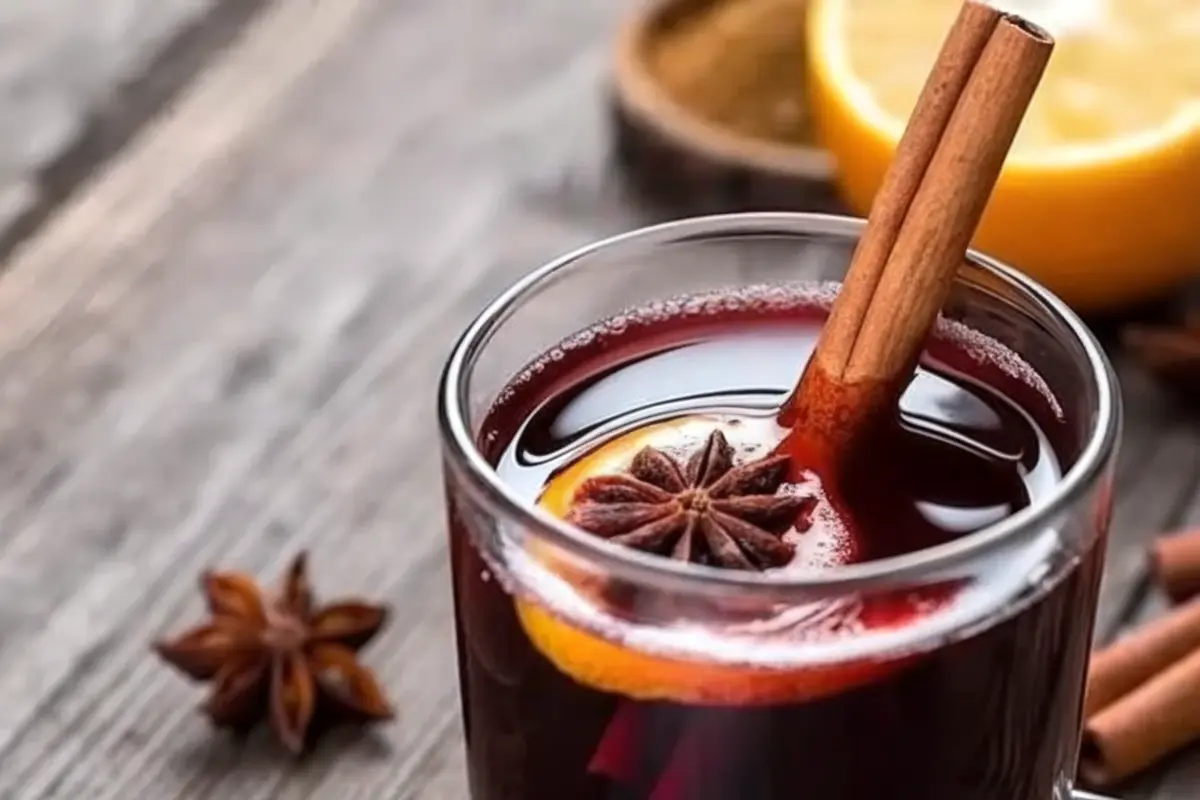
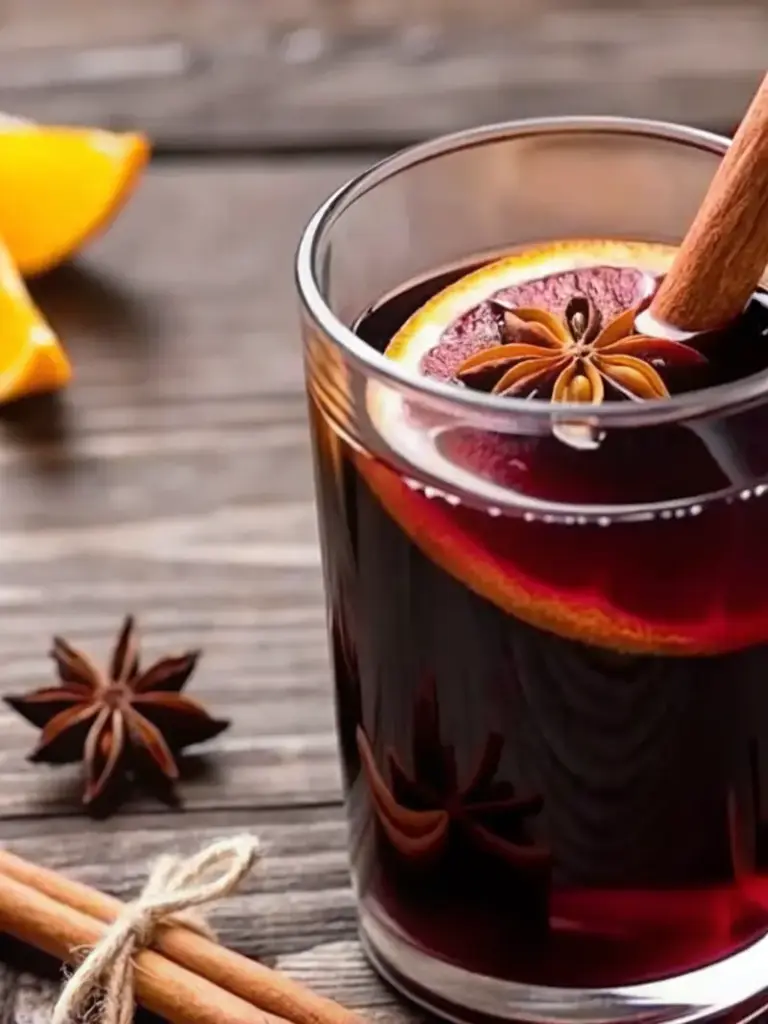
The art of crafting an exceptional mulled wine recipe combines simplicity with sophistication. This classic warm beverage, traditionally enjoyed during the winter season and holiday celebrations, transforms ordinary red wine into something extraordinary through the careful infusion of aromatic spices, citrus, and natural sweeteners.
The beauty of a proper mulled wine recipe lies in its versatility—whether you prefer your drink on the sweeter side, heavily spiced, or subtly aromatic, this guide provides the framework to customize your perfect cup.
Mulled wine isn’t just a drink; it’s an experience. The moment you begin warming your ingredients, your kitchen fills with intoxicating aromas of cinnamon, cloves, and fresh citrus. Within minutes, you’ll have created a beverage that warming, comforting, and undeniably elegant.
Ingredients List
Creating an authentic mulled wine recipe starts with gathering quality ingredients. Here’s what you’ll need:
Essential Wine Base:
- 1 bottle (750ml) of dry red wine such as Merlot, Zinfandel, Grenache, or Cabernet Sauvignon
- ¼ cup brandy or orange liqueur (Cointreau works beautifully as an alternative)
Fresh Citrus Components:
- 1-2 oranges, sliced into rounds
- Optional: 1 lemon, sliced for added brightness
Whole Spices (Use Whole, Never Ground):
- 2-3 cinnamon sticks
- 4-5 whole cloves
- 2-3 star anise
- Optional: ½ teaspoon freshly grated nutmeg
- Optional: 2-3 cardamom pods for sophisticated depth
Sweetener (Choose One):
- ¼ cup honey (my personal preference for its natural complexity)
- ¼ cup maple syrup (adds subtle richness)
- 3 tablespoons brown sugar (classic choice)
- 1-2 cups apple cider (adds natural sweetness and fruity notes)
Optional Garnishes & Additions:
- Fresh whole cranberries (¼ cup for festive presentation)
- Additional orange rounds or half moons
- Extra cinnamon sticks for serving
- Apple slices or star anise for visual appeal
Ingredient Substitution Tips:
If you don’t have brandy, port wine or tawny port creates a delicious mulled wine variation. For alcohol-free versions, simply omit the brandy and wine, and use apple cider as your base liquid, extending the simmering time to 45 minutes.
Timing
Understanding the time investment for your mulled wine recipe helps with party planning and preparation:
- Preparation Time: 10 minutes (slicing oranges, gathering spices)
- Cooking Time: 15-30 minutes (depending on desired spice intensity)
- Total Time: 25-40 minutes
- Serving Temperature: Maintain at 160-170°F without boiling
This efficient timeline means you can prepare mulled wine fresh for gatherings or batch-prepare it earlier and gently reheat before serving. The beauty of this recipe is that it requires significantly less time than traditional punch recipes, yet delivers premium café-quality results.
Step-by-Step Instructions
Step 1: Prepare Your Oranges
Begin by slicing your oranges into thin rounds, approximately ¼-inch thick. If using two small oranges, slice one completely into rounds and cut the other in half lengthwise. If using one large orange, halve it through the center, then slice one half into rounds. Place all orange rounds into your large pot or Dutch oven. Squeeze the juice from the remaining orange halves directly into the pot—this extracted juice adds concentrated citrus flavor that rounds don’t provide.
Step 2: Combine Wine and Spirits
Pour your entire 750ml bottle of red wine into the pot with the orange slices and juice. Follow this with your ¼ cup of brandy or chosen liqueur. The alcohol content at this stage is crucial—avoid mixing cold ingredients into warm wine, as this can create unwanted separation. Keep all ingredients at room temperature for optimal blending.
Step 3: Add Your Spices
Now comes the aromatic foundation of your mulled wine recipe. Add your cinnamon sticks, whole cloves, and star anise directly to the liquid. Resist the temptation to use ground spices, which create a murky appearance and over-intensify the flavors. Whole spices release their essential oils gradually during simmering, creating a beautifully balanced infusion.
Step 4: Incorporate Your Sweetener
Stir in 1 tablespoon of your chosen sweetener initially. If using apple cider instead of traditional sweeteners, add this now, as it provides additional volume and natural sweetness. Mix thoroughly to begin dissolving the sweetener, though complete dissolution will occur during the warming process.
Step 5: Heat Gently Over Medium Heat
Place your pot over medium heat and warm the mixture slowly. This crucial step takes approximately 5 minutes. Watch carefully—you’re aiming for steaming, not boiling. The moment you see the tiniest bubbles form at the surface, immediately reduce heat to low. Alcohol begins to vaporize at 172°F, so preventing boiling preserves your spirit content and prevents harsh flavors.
Step 6: Simmer for Optimal Spice Infusion
Once you’ve reduced heat to low, cover your pot and let the mixture simmer gently for 15-30 minutes. During this time, the whole spices gradually release their essential oils into the wine, creating the signature mulled wine flavor profile. The longer you simmer (up to 45 minutes), the more intense and spiced your final product becomes.
Step 7: Taste and Adjust Seasonings
After your initial simmering time, carefully taste your mulled wine recipe. Does it need more sweetness? Add another tablespoon of honey or maple syrup. Does it lack spice complexity? Continue simmering for another 5-10 minutes. This customization step ensures your mulled wine matches your personal preferences perfectly.
Step 8: Strain and Serve
Remove your pot from heat and, using a fine-mesh strainer, carefully pour the mulled wine into heatproof mugs or a serving pitcher. This step removes the orange slices, cinnamon sticks, cloves, and star anise, creating a smooth, visually appealing drink. Discard the spent ingredients—they’ve given all their flavor to the wine.
Step 9: Garnish and Present
Top each mug with your chosen garnishes—fresh cranberries add festive appeal and a tart contrast to the sweet spices, additional orange rounds provide visual elegance, and cinnamon sticks serve as both decoration and flavor enhancers. Serve immediately while steaming hot.

Nutritional Information
Each serving (approximately 5-6 oz) of traditional mulled wine contains:
- Calories: 180-220 (depending on sweetener amount)
- Alcohol Content: 12-15% ABV
- Carbohydrates: 8-12g (primarily from added sweetener)
- Natural Sugars: 4-6g (from fruit and honey)
- Antioxidants: High (from red wine polyphenols and spices)
- Sodium: Minimal (less than 5mg)
- Fat Content: Negligible
The spices in your mulled wine recipe provide additional health benefits—cinnamon supports blood sugar regulation, cloves contain eugenol (a natural anti-inflammatory), and star anise provides antimicrobial properties. While mulled wine remains an occasional indulgence rather than a health drink, the natural ingredients provide genuine nutritional value beyond simple enjoyment.
Healthier Alternatives for the Mulled Wine Recipe
Looking to adapt your mulled wine recipe for specific dietary needs? Here are creative modifications:
Reduced Sugar Version:
Replace honey or sugar entirely with stevia or monk fruit sweetener. Use unsweetened apple cider (not juice) to provide subtle natural sweetness without excess refined sugar. This approach reduces calories by approximately 40% while maintaining full-bodied flavor.
Lower Alcohol Option:
Cut brandy from ¼ cup to 2 tablespoons and extend simmering time to 40 minutes, allowing more wine alcohol to naturally evaporate. Alternatively, use alcohol-free brandy substitute available in most grocery stores.
Completely Alcohol-Free Mulled Wine:
Omit brandy and replace wine with a combination of 3 cups apple cider, 1 cup pomegranate juice, and 1 cup strong brewed black tea. Simmer for 45 minutes to develop depth and complexity. This version suits all guests and actually improves with longer simmering since alcohol isn’t a concern.
Enhanced Antioxidant Version:
Add 2-3 dried hibiscus flowers during simmering for additional antioxidants and beautiful color. Include a 2-inch piece of fresh ginger, sliced thin, for digestive benefits and warming properties.
Serving Suggestions
Transform your mulled wine recipe from simple beverage to memorable experience with these serving ideas:
Traditional Holiday Gathering:
Serve your mulled wine in decorative mugs or heatproof glass cups, garnished with cinnamon sticks and fresh cranberries. Pair with warm holiday cookies or gingerbread for a cohesive tasting experience.
Cozy Date Night:
Present mulled wine in elegant stemware with a single orange wheel and cinnamon stick. Serve alongside chocolate truffles or cheese and crackers for sophisticated entertaining.
New Year’s Eve Party:
Create a mulled wine station where guests customize their drinks with various garnish options—cranberries, apple slices, additional spices. Set out small bowls of cinnamon sticks, fresh rosemary sprigs, and star anise for personalization.
Outdoor Winter Event:
Serve mulled wine in thermal mugs or insulated cups to guests at outdoor holiday markets, caroling events, or winter gatherings. The warmth and aroma provide both comfort and festive atmosphere.
Brunch Enhancement:
Serve as a sophisticated beverage alongside breakfast items. Consider adding a splash of sparkling water to create a lighter “mulled wine spritzer” for daytime entertaining.
Common Mistakes to Avoid
Avoid these pitfalls that compromise your mulled wine recipe:
Mistake #1: Boiling the Wine
Many home cooks allow their mixture to boil vigorously, which causes alcohol to evaporate completely and creates harsh, unpleasant flavors. Solution: Keep heat at low once you see the first tiny bubbles forming.
Mistake #2: Using Ground Spices
Ground cinnamon, cloves, and star anise create murky, over-intensified drinks that taste dusty rather than aromatic. Solution: Always use whole spices as specified.
Mistake #3: Over-Sweetening
Adding sweetener all at once often results in cloyingly sweet mulled wine that masks the wine’s natural complexity. Solution: Start with 1 tablespoon and taste after simmering before adding more.
Mistake #4: Low-Quality Wine Selection
While expensive wine isn’t necessary, extremely cheap wine with harsh tannins produces similarly harsh mulled wine. Solution: Choose mid-range fruity red wine—Merlot, Zinfandel, or Grenache work perfectly.
Mistake #5: Insufficient Simmering Time
Rushing the process by simmering only 5-10 minutes prevents spice infusion. Solution: Allow at least 15-20 minutes for proper flavor development.
Mistake #6: Peeling Issues with Oranges
Leaving thick white pith on orange slices adds bitterness to your mulled wine recipe. Solution: Peel oranges before slicing to minimize bitterness while maintaining citrus flavor.
Storing Tips for the Mulled Wine Recipe
Short-term Storage (Immediate to 20 minutes):
If you expect to serve your mulled wine within 20 minutes, keep the pot on the stove over extra-low heat. The spices will continue infusing gradually, intensifying flavor over time. Stir occasionally to maintain even temperature.
Leftovers (1-2 Days):
Remove mulled wine from heat, cover completely, and refrigerate in airtight containers. Properly stored mulled wine keeps for 2-3 days in the refrigerator. If you prefer less spiced flavor, pour through a fine-mesh strainer before storing to separate solids.
Reheating Instructions:
Gently reheat refrigerated mulled wine over low heat on your stovetop, stirring occasionally. Never microwave, as this can cause uneven heating and overheating of alcohol. Reheating takes approximately 10-15 minutes and should reach 160-170°F before serving.
Make-Ahead Preparation:
Prepare mulled wine up to 2 hours before serving. Strain completely, remove from heat, and cover. Reheat gently just before serving for optimal temperature and freshness. This approach works beautifully for entertaining, as you can prepare the base early and focus on other preparations.
Freezing (Not Recommended):
While technically possible, freezing compromises the delicate spice balance and can cause alcohol separation. Instead, consider preparing fresh batches for multiple events.
Conclusion
Mastering the perfect mulled wine recipe transforms you from casual entertainer to confident host. This classic warm beverage combines affordable red wine with aromatic spices and citrus to create a café-quality drink in approximately 30 minutes. By following these detailed instructions, avoiding common mistakes, and personalizing flavors to your preferences, you’ll create mulled wine that impresses guests and becomes your seasonal signature drink. The investment of 30 minutes yields memories, warmth, and genuine gratification—elevating your entertaining from ordinary to exceptional.
Ready to create your first batch? Try this mulled wine recipe today and share your results in the comments section below! We’d love to hear about your favorite spice combinations, garnish preferences, and entertaining moments. Subscribe to our blog for more seasonal recipes, entertaining tips, and culinary inspiration delivered straight to your inbox. Don’t forget to tag us on social media with your mulled wine creations!

Frequently Asked Questions (FAQs)
Q: Can I make mulled wine in a slow cooker?
A: Yes! Pour all ingredients into a slow cooker set on low heat. However, monitor carefully—slow cookers vary significantly in temperature, and excessive heat can cause unwanted alcohol evaporation. Aim for 45 minutes to 1 hour on low.
Q: What’s the best red wine for mulled wine recipe?
A: Choose dry, fruity red wines like Merlot, Zinfandel, Grenache, or Cabernet Sauvignon. Mid-range wines ($12-20) work perfectly—expensive bottles waste their complexity, while extremely cheap wines provide harsh flavors.
Q: Is mulled wine recipe suitable for non-drinkers?
A: Absolutely! Omit the brandy and wine, replacing with 4 cups apple cider, 1 cup pomegranate juice, and 1 cup strong black tea. Simmer for 45 minutes for equally delicious results.
Q: How far in advance can I prepare mulled wine?
A: Prepare the base 2 hours ahead, then reheat gently before serving. For longer storage, refrigerate strained mulled wine for up to 3 days in airtight containers.
Q: Can I use white wine instead of red wine?
A: Yes! White wine mulled wine creates a lighter, more delicate version. Use dry white wine like Sauvignon Blanc or Pinot Grigio, and reduce simmering time to 15 minutes to prevent over-infusion.
Q: Why shouldn’t I boil mulled wine?
A: Boiling causes alcohol to evaporate (alcohol vaporizes at 172°F), creating a completely different drink. Additionally, boiling over-extracts spice flavors, creating harsh, bitter notes.
Q: What garnishes work best for mulled wine recipe?
A: Fresh cranberries, orange rounds, cinnamon sticks, and star anise provide visual appeal and complementary flavors. Avoid plastic garnishes—they compromise the premium aesthetic.
Q: How do I adjust sweetness in my mulled wine?
A: Add sweetener gradually, tasting after each addition. Start with 1 tablespoon per bottle and increase by ½ tablespoon increments until reaching your preference.
Best Mulled Wine Recipe with Apple Cider: Cozy Holiday Drink Your Guests Will Love
- Total Time: 40 minutes
- Yield: 6 servings 1x
Description
A step-by-step guide to crafting the perfect mulled wine recipe at home — a warming, aromatic blend of red wine, citrus, and spices ideal for the winter season and festive gatherings.
Ingredients
- 1 bottle (750ml) dry red wine (Merlot, Zinfandel, Grenache, or Cabernet Sauvignon)
- ¼ cup brandy or orange liqueur (Cointreau optional)
- 1–2 oranges, sliced into rounds
- 1 lemon, sliced (optional)
- 2–3 cinnamon sticks
- 4–5 whole cloves
- 2–3 star anise
- ½ teaspoon freshly grated nutmeg (optional)
- 2–3 cardamom pods (optional)
- ¼ cup honey, maple syrup, or 3 tbsp brown sugar
- 1–2 cups apple cider (optional)
- Fresh cranberries, extra orange slices, or cinnamon sticks for garnish
Instructions
- Slice oranges and lemon, add to a large pot or Dutch oven, and squeeze in any remaining juice for concentrated citrus flavor.
- Pour in the red wine and add brandy or liqueur, ensuring ingredients are room temperature for even blending.
- Add cinnamon sticks, cloves, star anise, and other optional spices. Use whole spices only.
- Stir in 1 tablespoon of your chosen sweetener or add apple cider if preferred.
- Warm gently over medium heat for about 5 minutes, avoiding boiling to preserve alcohol content.
- Reduce to low heat and simmer for 15–30 minutes to infuse the spices.
- Taste and adjust sweetness or spice levels as desired.
- Strain into mugs or a serving pitcher using a fine-mesh sieve to remove solids.
- Garnish with orange slices, cranberries, and cinnamon sticks. Serve hot and enjoy.
Notes
Keep the temperature below boiling to retain alcohol and prevent bitterness. Always use whole spices for cleaner flavor. For non-alcoholic versions, replace wine with apple cider, pomegranate juice, and tea, simmering for 45 minutes.
- Prep Time: 10 minutes
- Cook Time: 30 minutes
- Category: Beverage
- Method: Stovetop
- Cuisine: European
Nutrition
- Serving Size: 5–6 oz
- Calories: 200
- Sugar: 10g
- Sodium: 5mg
- Fat: 0g
- Saturated Fat: 0g
- Unsaturated Fat: 0g
- Trans Fat: 0g
- Carbohydrates: 12g
- Fiber: 1g
- Protein: 1g
- Cholesterol: 0mg
Keywords: mulled wine, winter drink, red wine, spiced wine, holiday beverage, warm drink