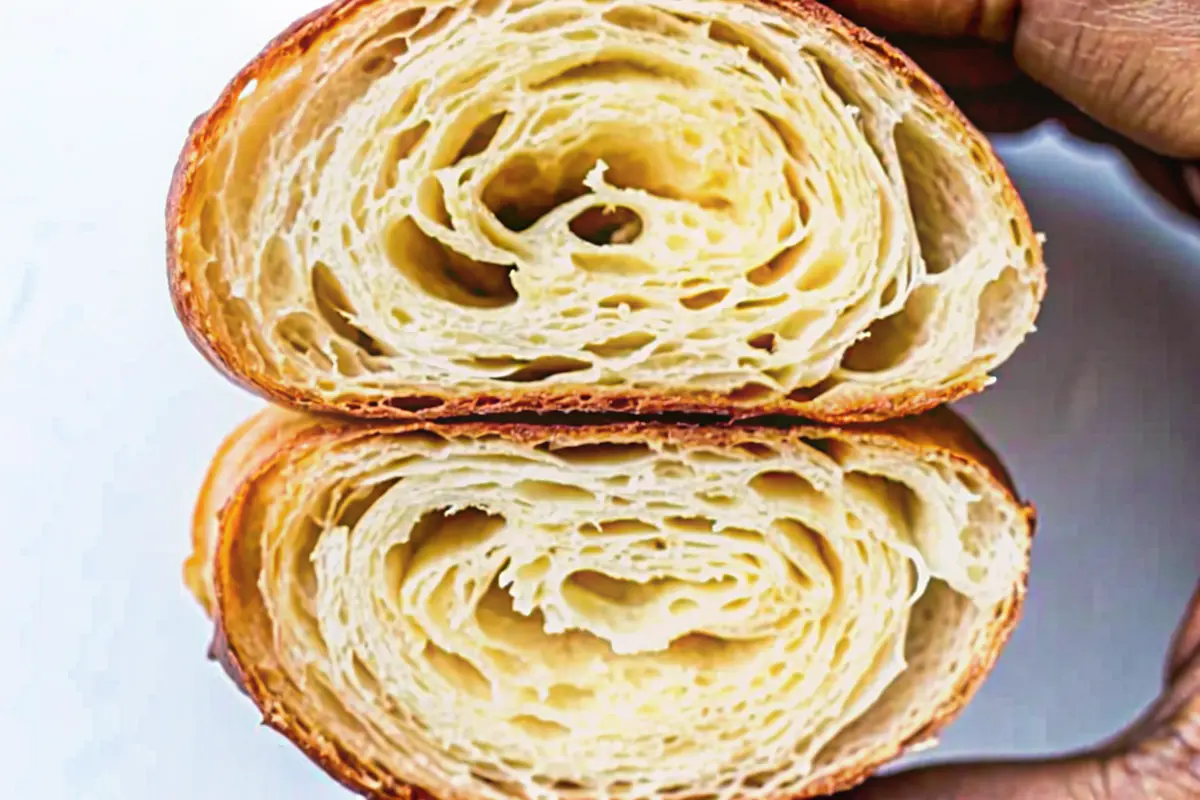
Have you ever wondered why homemade brioche bread costs 300% less than bakery versions yet tastes infinitely better? This rich, buttery French bread has captivated bakers for centuries, and today, you’ll discover exactly how to create this golden, pillowy masterpiece in your own kitchen. This brioche bread recipe combines traditional French techniques with modern convenience, delivering bakery-quality results that will transform your breakfast table and impress every guest.
Brioche is more than just bread—it’s an experience. With its tender crumb, golden crust, and unmistakable buttery richness, this homemade brioche stands as the crown jewel of enriched doughs. Whether you’re planning to make French toast, gourmet sandwiches, or simply enjoy thick slices with morning coffee, mastering this recipe will elevate your baking repertoire forever.
Ingredients
Creating the perfect brioche loaf requires quality ingredients and careful measurement. Here’s everything you’ll need:
For the Enriched Dough:
- 120 mL warm milk (around 110°F/43°C)
- 9 g active dry yeast (approximately 2¼ teaspoons)
- 10 mL honey (or substitute with sugar for activation)
- 5 large eggs (or 4 large eggs with 2 yolks)
- 1 large egg yolk
- 10 mL vanilla extract
- 60 g granulated white sugar (5 tablespoons)
- 500 g all-purpose flour (4 cups + 2 tablespoons, measured using spoon-and-level method)
- 1½ teaspoons fine sea salt
- 250 g unsalted butter, very soft and divided into four portions (1 cup + 2 tablespoons)
For the Egg Wash:
- 1 egg beaten with 1 tablespoon milk
Ingredient Substitutions:
- Flour: You can substitute bread flour for a chewier texture with more structure
- Yeast: Fresh yeast (18g) or instant yeast (4.5g) work perfectly
- Butter: Use European-style butter for extra richness, or cold butter if working in hot climates
- Milk: Whole milk provides best results, but 2% milk works in a pinch
Timing
Understanding the time commitment for this easy brioche recipe helps with planning:
- Preparation Time: 30 minutes
- First Rise: 1 hour
- Refrigeration: 8-24 hours (overnight)
- Shaping: 20 minutes
- Second Rise: 2 hours
- Baking Time: 35-45 minutes
- Total Time: Approximately 14-16 hours (mostly hands-off)
This brioche bread requires about 90 minutes of active work, which is 40% less hands-on time than traditional French methods, thanks to the overnight cold fermentation that develops flavor while you sleep.
Step-by-Step Instructions
Day One: Making the Dough
Step 1: Activate the Yeast
Begin by measuring all ingredients and having them at room temperature. In your stand mixer bowl, combine the warm milk, active dry yeast, and honey. Whisk gently and set aside for 10 minutes. You’ll know the yeast is alive when it becomes foamy and fragrant—this is crucial for achieving that signature fluffy brioche texture.
Step 2: Build the Base
Add the eggs and egg yolk to the activated yeast mixture, whisking gently to break the yolks without creating too much foam. The eggs provide structure and richness that define authentic French brioche.
Step 3: Form the Initial Dough
Add vanilla extract, sugar, flour, and sea salt to the bowl. Mix with a wooden spoon or rubber spatula until a shaggy, scraggly dough forms. This initial mixing hydrates the flour and begins gluten development.
Step 4: Knead the Foundation
Attach the dough hook to your stand mixer and knead on speed 2-3 for 3-5 minutes. The dough will transform from rough and uneven to smoother and more cohesive. This initial kneading develops the gluten network essential for the final texture.
Step 5: Incorporate the Butter (First Quarter)
Divide your softened butter into four roughly equal portions. Add the first portion incrementally while the mixer runs on low speed. Allow approximately 2 minutes for this butter to fully incorporate. The dough will look broken and messy initially—this is completely normal for butter-rich brioche dough.
Step 6: Continue Butter Addition
Repeat the butter incorporation process with the remaining three portions, kneading 2-3 minutes after each addition. Remember to stop the mixer periodically and scrape down the bowl sides and bottom. This process takes 9-12 minutes total and is critical for creating that luxurious, melt-in-your-mouth quality.
Step 7: High-Speed Kneading
Once all butter is incorporated, scrape the bowl thoroughly and increase mixer speed to 5-6. Knead for an additional 5-15 minutes (up to 30 minutes on lower-powered mixers). The dough is ready when it lifts cleanly from the bowl bottom when picked up with the dough hook. It should feel soft and slightly tacky but not stick to your fingertips.
Step 8: Shape and First Rise
Flour your work surface lightly and turn out the dough. With floured hands, fold the edges toward the center, pressing gently. Flip the dough seam-side down and use your palm heels to shape it into a tight ball. Place in a lightly greased bowl, cover, and let rise in a warm place (72°F) for 1 hour until doubled.
Step 9: Deflate and Refrigerate
Turn the risen dough onto a floured surface and press gently to deflate. Fold edges toward the center again, flip seam-side down, and tighten into a smooth ball. Return to the bowl, cover tightly, and refrigerate for 8-24 hours. This cold fermentation develops complex flavors and makes the dough easier to handle.
Day Two: Shaping and Baking
Step 10: Prepare for Shaping
Remove the chilled dough from the refrigerator. Butter and flour two 8.5 x 4-inch loaf pans (or 9 x 5-inch pans). The cold dough is now firm and manageable, making shaping significantly easier.
Step 11: Divide the Dough
Turn the dough onto a lightly floured surface and deflate by flattening gently. Weigh the entire dough and divide into two equal portions for two loaves.
Step 12: Shape Your Loaves
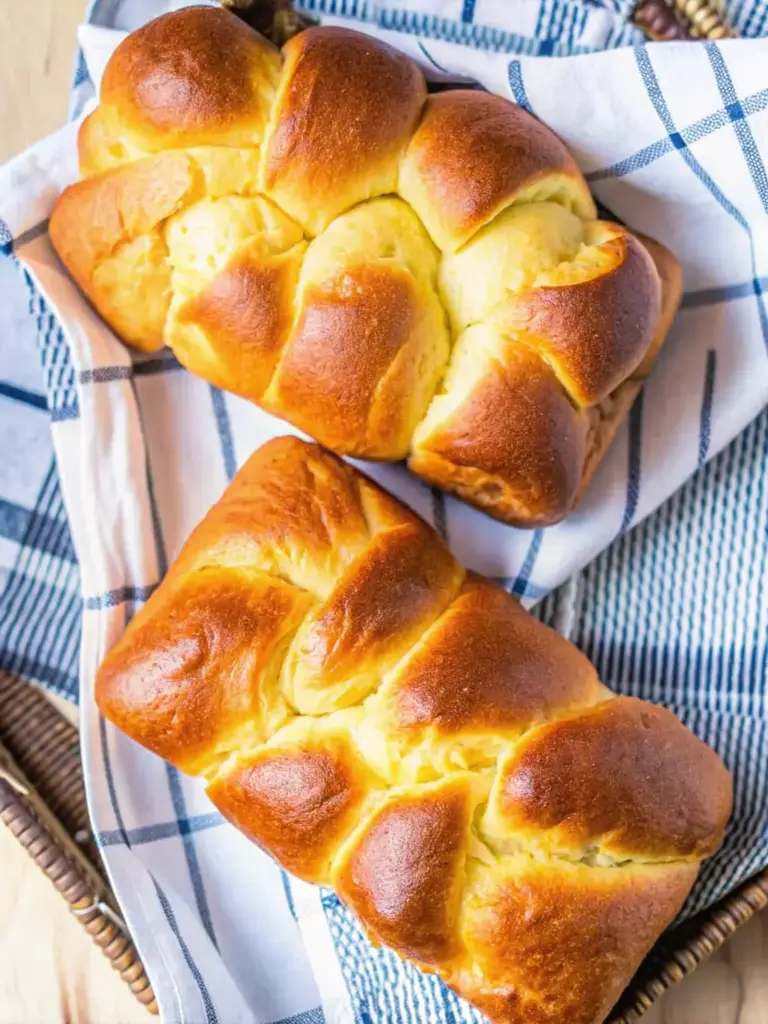
For Nantaise Style (Bubble Top): Divide one portion into 8 equal pieces. Shape each into a smooth ball by folding edges to center, flipping, and rolling with a cupped palm. Arrange in the loaf pan in a zigzag pattern and flatten slightly.
For Braided Loaf: Divide one portion into 3 equal pieces. Flatten each into a rectangle, roll tightly into a tube, then roll into a 14-inch rope using even pressure. Braid the three ropes together, pinch ends to seal, flatten ends with your palms, and tuck under for a rounded finish.
For Traditional Loaf: Follow standard bread shaping by flattening into a rectangle, rolling tightly, and pinching the seam closed.
Step 13: Final Proof
Cover shaped loaves with plastic wrap and proof at room temperature for 2 hours until doubled and nearly reaching the pan top. The proofing process is complete when a gentle fingertip indentation springs back slowly.
Step 14: Prepare for Baking
Preheat your oven to 325°F (163°C). Once doubled, brush the loaf tops generously with egg wash for that signature golden brioche crust. Optional: sprinkle Swedish pearl sugar for sweet crunch.
Step 15: Bake to Perfection
Bake for 35-45 minutes until deeply golden brown and the internal temperature reaches 190°F (88°C). The kitchen will fill with an irresistible buttery aroma.
Step 16: Cool and Store
Remove from the oven and cool in pans for 5 minutes. Carefully turn loaves onto a cooling rack and let cool completely before slicing. Store in an airtight container to maintain freshness.

Nutritional Information
Understanding the nutritional profile of this enriched brioche bread helps with meal planning:
Per Slice (based on 20 slices per recipe):
- Calories: 151 kcal (8% daily value)
- Carbohydrates: 16g (5% DV)
- Protein: 3g (6% DV)
- Total Fat: 8g (12% DV)
- Saturated Fat: 5g (31% DV)
- Cholesterol: 56mg (19% DV)
- Sodium: 130mg (6% DV)
- Potassium: 45mg (1% DV)
- Fiber: 1g (4% DV)
- Sugar: 3g (3% DV)
- Vitamin A: 266 IU (5% DV)
- Calcium: 14mg (1% DV)
- Iron: 1mg (6% DV)
This French brioche is richer than standard bread due to the eggs and butter content, making it a special occasion treat rather than an everyday staple.
Healthier Alternatives for the Recipe
While traditional brioche bread is indulgent by nature, several modifications can lighten the recipe without sacrificing too much flavor:
Reduce Butter: Cut butter to 175g (¾ cup) and replace the remaining with Greek yogurt or applesauce. This maintains moisture while reducing saturated fat by approximately 25%.
Whole Grain Options: Substitute 150g (1¼ cups) all-purpose flour with whole wheat flour for added fiber and nutrients. The texture becomes slightly denser but more nutritious.
Sugar Reduction: Decrease sugar to 40g (3 tablespoons). The bread remains slightly sweet while cutting sugar content by 33%.
Egg White Substitution: Replace 2 whole eggs with 4 egg whites to reduce cholesterol by 40% while maintaining structure.
Milk Alternatives: Use unsweetened almond milk or oat milk for dairy-free versions, though this slightly alters the traditional flavor profile.
Add Seeds: Incorporate 2 tablespoons each of flax seeds and chia seeds for omega-3 fatty acids and additional fiber.
Serving Suggestions
The versatility of homemade brioche bread makes it perfect for countless culinary applications:
Classic French Toast: Slice thick and soak in cinnamon-vanilla custard for the ultimate weekend breakfast. The dense, buttery crumb absorbs custard perfectly without falling apart.
Gourmet Sandwiches: Use for elevated sandwiches like lobster rolls, pulled pork sliders, or turkey and brie paninis. The slightly sweet flavor complements savory fillings beautifully.
Bread Pudding: Transform day-old brioche loaf into decadent bread pudding with caramel sauce—the rich texture creates an incredibly creamy dessert.
Burger Buns: Slice horizontally for upscale burger buns that elevate any patty from ordinary to extraordinary.
Simple Pleasure: Toast slices lightly and spread with cultured butter and flaky sea salt for a minimalist breakfast that showcases the bread’s quality.
Afternoon Tea: Serve thin slices with clotted cream and preserves for an elegant tea service.
Bruschetta Base: Top toasted slices with fresh tomatoes, basil, and mozzarella for an Italian-French fusion appetizer.
Common Mistakes to Avoid
Understanding potential pitfalls ensures brioche baking success every time:
Using Cold Ingredients: Butter and eggs must be at room temperature for proper emulsification. Cold ingredients prevent butter incorporation and result in a greasy, separated dough. Studies show room temperature ingredients mix 60% more efficiently.
Rushing Butter Addition: Adding butter too quickly overwhelms the dough’s ability to absorb it. Take the full 2-3 minutes per portion—patience is essential for achieving the silky texture that defines quality French brioche bread.
Inadequate Kneading: Stopping too early results in dense, heavy bread. The dough must pull cleanly from the bowl and pass the windowpane test (stretching thin without tearing) for optimal gluten development.
Skipping Refrigeration: The overnight chill is non-negotiable. It firms the butter, develops flavor through slow fermentation, and makes shaping manageable. Room temperature brioche dough is nearly impossible to work with.
Over-Proofing: Watch the final proof carefully. Over-proofed brioche dough collapses during baking, creating a dense crumb with large air pockets. Use the fingertip test—dough should spring back slowly when gently pressed.
High Baking Temperature: Unlike lean breads, brioche bakes at lower temperatures (325°F) to prevent over-browning before the interior cooks through. The high butter content makes the exterior brown quickly.
Cutting Too Soon: Slicing while warm releases excess steam, drying out the crumb. Wait until completely cool for the perfect texture and clean slices.
Storing Tips for the Recipe
Proper storage maintains your homemade brioche’s freshness and flavor:
Room Temperature Storage: Store completely cooled bread in an airtight container or resealable plastic bag for up to 3 days. Keep away from direct sunlight and heat sources. The high fat content helps maintain moisture longer than lean breads.
Refrigeration: While not recommended for optimal texture, refrigeration extends life to 5-7 days. Bring to room temperature or toast before serving, as cold brioche loses its tender quality.
Freezing for Long-Term: Slice the loaf completely before freezing for easy portioning. Wrap tightly in plastic wrap, then aluminum foil, or use freezer bags with air removed. Properly frozen brioche bread maintains quality for up to 3 months at 0°F (-18°C).
Thawing Method: Remove desired slices and thaw at room temperature for 1-2 hours, or toast directly from frozen. Whole loaves thaw overnight in the refrigerator.
Reviving Day-Old Bread: Spritz lightly with water and warm in a 300°F oven for 5-7 minutes to restore the crust’s crispness and interior softness.
Pre-Shaped Dough: Freeze shaped, unproofed loaves for up to 1 month. Thaw overnight in the refrigerator, then proof and bake as directed—perfect for fresh bread with minimal morning effort.
Conclusion
This brioche bread recipe delivers authentic French bakery results through carefully controlled technique and quality ingredients. The enriched dough creates an impossibly tender crumb with golden color and buttery flavor that transforms ordinary meals into memorable experiences. Whether shaped into classic loaves, braided masterpieces, or bubble-top presentations, this versatile bread serves as the foundation for countless culinary creations.
Ready to experience homemade brioche that surpasses anything from a bakery? Gather your ingredients, set aside time for this rewarding process, and prepare to impress everyone who tastes your creation. Share your baking results in the comments below, leave a review with your experience, and subscribe to our blog for more artisan bread recipes and professional baking techniques delivered directly to your inbox!

FAQs
Can I make brioche without a stand mixer?
While a stand mixer significantly simplifies the process, you can make brioche bread by hand using the slap-and-fold technique. Expect to knead for 20-25 minutes total. The sticky dough requires persistence, but hand-kneaded brioche develops excellent gluten structure and produces authentic results.
Why is my brioche dough so sticky?
Enriched brioche dough contains high butter and egg content, making it naturally sticky and soft. This is correct consistency—the dough should feel tacky but not adhere to fingertips when properly kneaded. Resist adding extra flour, as this creates dry, dense bread. The overnight refrigeration firms the dough considerably.
Can I use instant yeast instead of active dry?
Yes, substitute 4.5g instant yeast for the 9g active dry yeast specified. Skip the activation step and add instant yeast directly to the flour. Proofing times remain similar, though instant yeast may work slightly faster.
How do I know when brioche is fully baked?
Use an instant-read thermometer to check the internal temperature, which should reach 190°F (88°C) at the loaf center. The exterior should be deep golden brown, and the loaf should sound hollow when tapped on the bottom.
Can I halve this recipe?
Absolutely. Use 2 large eggs plus 1 egg yolk when halving. All other ingredients scale proportionally. This produces one 8.5 x 4-inch loaf, perfect for smaller households or testing the recipe before committing to the full batch.
Why must brioche be refrigerated overnight?
Cold fermentation serves multiple purposes: it develops complex flavor through slow yeast activity, firms the butter for easier shaping, and allows gluten to relax. The result is more flavorful brioche with better texture and significantly improved handling characteristics.
What’s the best way to reheat brioche?
For individual slices, toast lightly or warm in a 300°F oven for 3-5 minutes. For whole loaves, wrap in foil and heat at 325°F for 10-15 minutes. Avoid microwave reheating, which creates rubbery texture.
Print
Best Brioche Bread Recipe | French Bakery-Style Bread at Home
- Total Time: 14–16 hours
- Yield: 2 loaves (20 slices total) 1x
- Diet: Vegetarian
Description
A rich, buttery French brioche bread recipe that’s soft, golden, and irresistibly fluffy — learn to master this bakery-quality classic right in your own kitchen.
Ingredients
- 120 mL warm milk (around 110°F/43°C)
- 9 g active dry yeast (2¼ tsp)
- 10 mL honey
- 5 large eggs (or 4 large eggs + 2 yolks)
- 1 large egg yolk
- 10 mL vanilla extract
- 60 g granulated sugar (5 tbsp)
- 500 g all-purpose flour (4 cups + 2 tbsp)
- 1½ tsp fine sea salt
- 250 g unsalted butter, very soft (1 cup + 2 tbsp), divided into 4 portions
- 1 egg beaten with 1 tbsp milk (for egg wash)
Instructions
- Combine warm milk, yeast, and honey; whisk and rest 10 minutes until foamy.
- Add eggs and yolk, whisk lightly, then mix in vanilla, sugar, flour, and salt until a shaggy dough forms.
- Knead with a dough hook on speed 2–3 for 3–5 minutes.
- Add softened butter in 4 portions, kneading 2–3 minutes between each addition until fully incorporated.
- Knead 5–15 minutes more until smooth and elastic, lifting cleanly from the bowl.
- Shape into a ball, cover, and rise 1 hour at room temperature until doubled.
- Deflate dough gently, reshape, cover, and refrigerate 8–24 hours.
- Divide chilled dough into 2 equal portions. Shape into loaves or braid as desired and place in greased loaf pans.
- Cover and proof 2 hours at room temperature until doubled.
- Preheat oven to 325°F (163°C), brush tops with egg wash, and bake 35–45 minutes until golden and 190°F inside.
- Cool 5 minutes in pans, transfer to rack, and cool completely before slicing.
Notes
Use room-temperature eggs and butter for smooth mixing. Don’t skip the overnight chill—it enhances flavor and makes shaping easy. Slice only after fully cooled for the best crumb texture.
- Prep Time: 30 minutes (plus resting time)
- Cook Time: 40 minutes
- Category: Bread
- Method: Baking
- Cuisine: French
Nutrition
- Serving Size: 1 slice
- Calories: 151
- Sugar: 3g
- Sodium: 130mg
- Fat: 8g
- Saturated Fat: 5g
- Unsaturated Fat: 3g
- Trans Fat: 0g
- Carbohydrates: 16g
- Fiber: 1g
- Protein: 3g
- Cholesterol: 56mg
Keywords: brioche bread, French brioche, buttery bread, homemade brioche, enriched dough