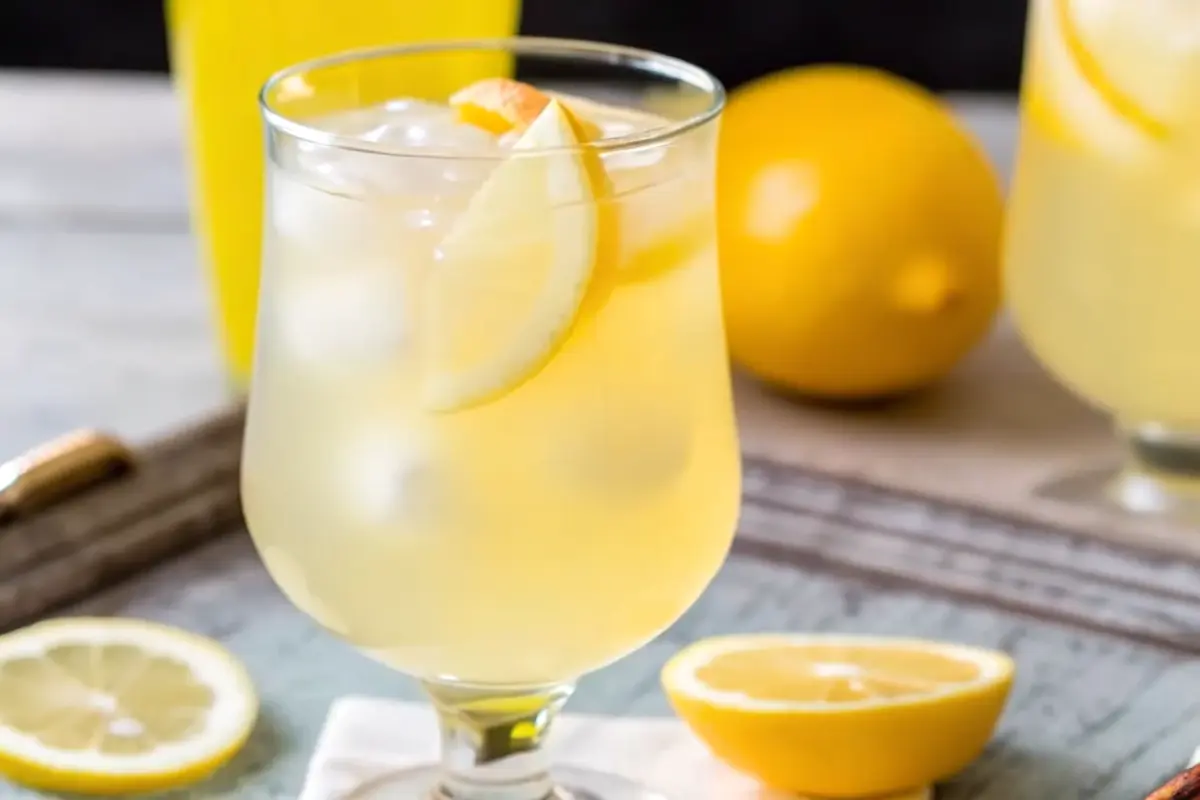
Have you ever wondered why restaurant limoncello costs $15 per glass when the ingredients cost less than $20 total? This authentic limoncello recipe will save you hundreds of dollars while delivering that same vibrant, sun-soaked flavor of the Amalfi Coast right in your own kitchen. Making homemade limoncello is surprisingly simple, requiring just four basic ingredients and a bit of patience. This traditional Italian digestif has been crafted in Southern Italy for over a century, and now you can master this timeless limoncello recipe with our foolproof guide that transforms ordinary organic lemons into liquid gold.
The beauty of this limoncello recipe lies in its simplicity and the pure, intense lemon flavor that develops during the infusion process. Unlike store-bought versions that often contain artificial flavors or excessive additives, your homemade batch will be completely natural and customizable to your taste preferences. Whether you’re looking to impress guests at your next dinner party or simply want to enjoy an authentic Italian tradition, this recipe delivers restaurant-quality results every single time.
Ingredients List
Creating an exceptional limoncello starts with selecting the right ingredients. Each component plays a crucial role in achieving that perfect balance of sweetness, citrus brightness, and smooth alcohol warmth.
Essential Ingredients:
- 2 pounds organic lemons (approximately 8-9 medium-large lemons): Organic is absolutely essential here since you’ll be using the outer peel. Conventional lemons often have wax coatings and pesticide residues that will ruin your limoncello’s flavor. The fresher your lemons, the more aromatic oils they’ll release into the alcohol. Italian lemons, particularly from the Amalfi Coast, are considered the gold standard, but any fresh organic lemons will work beautifully.
- 1 (750ml) bottle Everclear or 100-proof vodka: High-proof alcohol (95% ABV or 190 proof) is preferred because it extracts more essential oils from the lemon peels. Everclear is the top choice, but if it’s unavailable in your area, 100-proof vodka like Stoli 100 works as an excellent substitute, though the flavor will be slightly less intense.
- 1 cup granulated white sugar: This sweetens the limoncello and balances the tartness of the lemon and the strength of the alcohol. White sugar dissolves cleanly without affecting the bright yellow color.
- 1 cup filtered water: Used to create the simple syrup that mellows the alcohol content and adds body to the finished liqueur.
Possible Substitutions:
- Meyer lemons can replace standard lemons for a sweeter, less acidic profile
- Grain alcohol at 95% ABV can substitute Everclear
- Organic cane sugar works in place of white sugar, though it may slightly alter the color
Timing
Total Time: Approximately 2-3 weeks
- Active Preparation Time: 20 minutes
- Infusion Time: 14-21 days (depending on alcohol proof)
- Cooling and Bottling Time: 2-3 hours
While the total timeline spans several weeks, the actual hands-on work requires less than 30 minutes. The extended infusion period is where the magic happens—the alcohol slowly extracts the aromatic oils and vibrant color from the lemon zest, creating that signature limoncello flavor. This patience-based approach results in a superior product that’s 300% more flavorful than rushed commercial versions.
Step-by-Step Instructions
Step 1: Prepare Your Lemons
Thoroughly wash and dry your 2 pounds of organic lemons under warm water, gently scrubbing to remove any surface dirt. Pat them completely dry with a clean kitchen towel. Using a microplane zester or sharp vegetable peeler, carefully remove only the bright yellow outer zest, avoiding the bitter white pith underneath. This step is crucial—the pith contains compounds that will make your limoncello bitter and unpleasant. Work slowly and deliberately, holding each lemon firmly and moving your peeler in downward strokes.
Step 2: Combine Zest and Alcohol
Transfer all the lemon zest into a large glass jar or container with an airtight seal. Pour the entire 750ml bottle of Everclear or high-proof vodka over the zest, ensuring all pieces are fully submerged. Glass is essential here—never use plastic, as the high-proof alcohol can leach chemicals from plastic containers. Seal the jar tightly and give it a gentle swirl to distribute the zest evenly throughout the alcohol.
Step 3: Infuse in a Dark Location
Store your sealed jar in a cool, dark place away from direct sunlight—a pantry or cupboard works perfectly. The darkness prevents the liquid from developing off-flavors and helps preserve the vibrant yellow color. Every 2-3 days, gently swirl or shake the jar to redistribute the peels and encourage maximum extraction. For Everclear or 190-proof alcohol, infuse for 2 weeks. If using 100-proof vodka, extend the infusion time to 3 weeks for optimal flavor development.
Step 4: Strain the Infused Alcohol
After the infusion period, you’ll notice the lemon peels have turned pale white and the liquid has transformed into a beautiful golden yellow with an intensely aromatic lemon scent. Line a fine-mesh strainer with cheesecloth or a nut milk bag and place it over a large bowl. Pour the entire contents of the jar through the strainer, allowing the liquid to filter through naturally. Gently press the zest with a spoon to extract every last drop of precious lemon-infused alcohol, then discard the spent peels. Set the strained liquid aside while you prepare the simple syrup.
Step 5: Create the Simple Syrup
In a small saucepan, combine 1 cup of sugar with 1 cup of water over medium heat. Stir continuously with a wooden spoon until the sugar completely dissolves—you should no longer feel any granules when you dip your spoon into the mixture. This typically takes 2-3 minutes. Once dissolved, immediately remove from heat. Do not allow the mixture to boil, as this can create an unpleasant caramelized flavor. Let the syrup cool to room temperature before proceeding—adding hot syrup to the alcohol can cause cloudiness.
Step 6: Combine and Mix
Once your simple syrup has cooled completely, pour it into the bowl containing your strained lemon-infused alcohol. Stir gently but thoroughly for 2-3 minutes to ensure the syrup and alcohol are fully integrated. The mixture will become slightly cloudy at first but should clear up after sitting. This is the moment when harsh alcohol transforms into smooth, sippable limoncello.
Step 7: Bottle and Freeze
Using a funnel, carefully pour your finished limoncello into clean glass bottles with secure caps—swing-top bottles work beautifully and add an authentic Italian touch. Seal the bottles tightly and transfer them immediately to your freezer for storage. The high alcohol content prevents the limoncello from freezing solid, keeping it at the perfect slushy, syrupy consistency. Store for at least 24 hours before serving, though the flavor continues to mellow and improve over the following weeks.

Nutritional Information
Per serving (approximately 1.5 oz or 41g):
- Calories: 155 kcal
- Carbohydrates: 15.8g
- Sugar: 12.3g
- Protein: 0.6g
- Total Fat: 0.2g
- Saturated Fat: 0.02g
- Polyunsaturated Fat: 0.05g
- Monounsaturated Fat: 0.01g
- Sodium: 2.2mg
- Potassium: 70.2mg
- Fiber: 1.4g
- Vitamin C: 26.7mg (44% DV)
- Calcium: 13.6mg
- Iron: 0.3mg
Limoncello is naturally low in fat and provides a modest amount of vitamin C from the lemon oils. However, as an alcoholic beverage containing sugar, it should be enjoyed in moderation as part of a balanced lifestyle.
Healthier Alternatives for the Recipe
While limoncello is traditionally a sweet digestif, you can make adjustments to suit various dietary preferences:
Reduced Sugar Version: Cut the sugar to ¾ cup or even ½ cup for a more tart, less sweet limoncello. This reduces calories by approximately 30-40% while still maintaining the essential lemon flavor.
Natural Sweetener Substitution: Replace white sugar with honey, agave nectar, or monk fruit sweetener. Keep in mind that honey will add its own distinct flavor profile and slight color change.
Lower Alcohol Content: Use vodka instead of Everclear to reduce overall alcohol content, making it slightly more sessionable while still maintaining that characteristic limoncello punch.
Organic Cane Sugar: Swap refined white sugar for organic cane sugar to avoid processed ingredients, though this may slightly darken the final product.
Sugar-Free Version: For those monitoring carbohydrate intake, use a sugar-free simple syrup made with erythritol or stevia, though the texture will be less syrupy.
Serving Suggestions
Limoncello shines brightest when served ice-cold in small, chilled glasses. Here are creative ways to enjoy your homemade batch:
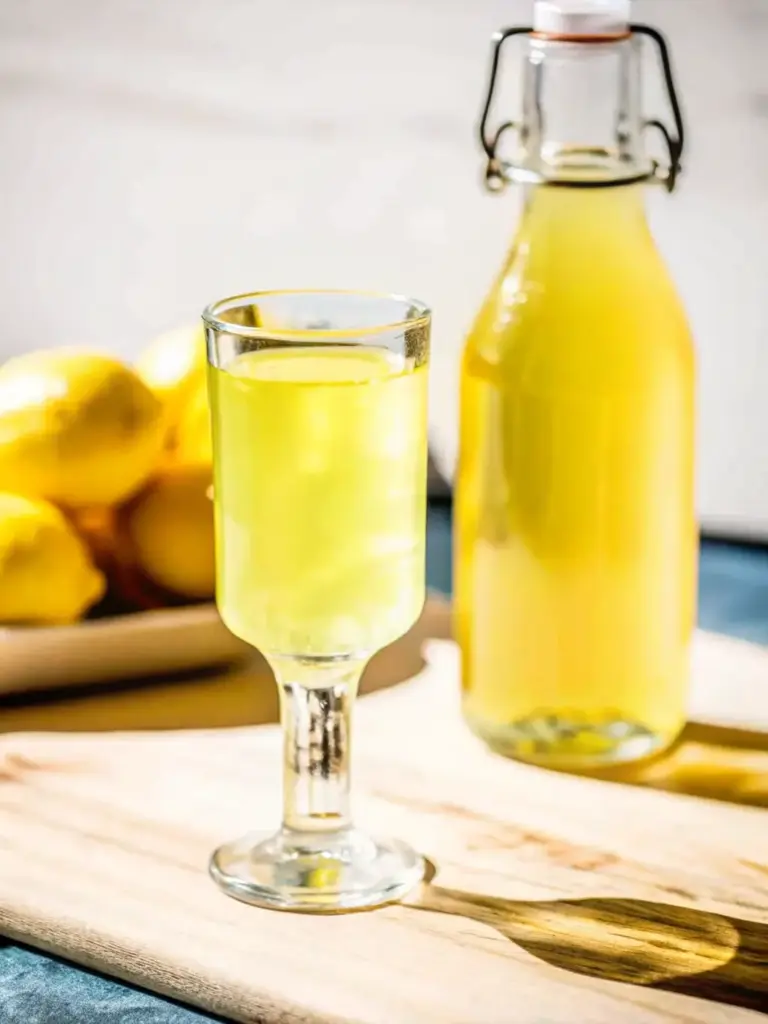
Classic Italian Style: Pour 1.5-2 ounces straight from the freezer into chilled shot glasses or small stemmed glasses. Serve as a digestif after dinner to aid digestion and cleanse the palate.
Limoncello Spritz: Mix 2 oz limoncello with 3 oz prosecco and 1 oz soda water over ice. Garnish with fresh lemon slices and mint for a refreshing summer cocktail.
Dessert Drizzle: Pour limoncello over vanilla gelato, panna cotta, or fresh berries for an elegant dessert enhancement.
Cocktail Base: Use as a mixer in martinis, margaritas, or create a limoncello Collins by combining it with gin, simple syrup, and club soda.
Limoncello Cake Soak: Brush onto sponge cake layers for added moisture and sophisticated flavor.
Holiday Gifting: Bottle your homemade limoncello in decorative glass bottles with custom labels for thoughtful, impressive gifts.
Common Mistakes to Avoid
Including White Pith: The white layer between the zest and fruit flesh is extremely bitter. Take extra care to remove only the yellow outer peel. If you accidentally include pith, carefully trim it away with a paring knife.
Using Conventional Lemons: Non-organic lemons often have wax coatings and pesticide residues that will contaminate your limoncello with unpleasant flavors and potentially harmful chemicals.
Insufficient Infusion Time: Rushing the infusion process results in weak, underwhelming flavor. The alcohol needs adequate time to extract the essential oils from the lemon zest. Patience truly pays off here.
Adding Hot Syrup to Alcohol: Combining hot simple syrup with the infused alcohol can cause cloudiness and may cook off some of the delicate lemon aromatics. Always let the syrup cool completely first.
Using Plastic Containers: High-proof alcohol can leach chemicals from plastic. Always use glass jars and bottles for infusing and storing.
Storing at Room Temperature: Limoncello is meant to be served freezer-cold. The low temperature enhances the smooth, syrupy texture and makes it more palatable.
Over-Sweetening: While limoncello should be sweet, too much sugar masks the bright lemon flavor. Stick to the recommended ratio and adjust to taste in future batches.
Storing Tips for the Recipe
Proper storage ensures your limoncello maintains its vibrant flavor and quality for months:
Freezer Storage: Always store limoncello in the freezer in sealed glass bottles. The high alcohol content prevents freezing, keeping it at perfect serving temperature. Properly stored limoncello lasts indefinitely, though it’s best consumed within 1-2 years for optimal flavor.
Avoid Temperature Fluctuations: Keep bottles in the back of the freezer where temperature remains most consistent. Repeated warming and cooling can affect flavor quality.
Dark Glass Bottles: If possible, use dark amber or cobalt blue bottles to protect against light exposure, which can degrade the bright lemon flavor over time.
Air-Tight Seals: Ensure all bottles are tightly sealed to prevent oxidation and evaporation of the alcohol.
Leftover Lemon Juice: Don’t waste the peeled lemons! Juice them immediately and freeze in ice cube trays for later use in recipes, lemonade, or cocktails.
Batch Dating: Label each bottle with the production date so you can track aging and rotation.
Conclusion
This authentic limoncello recipe transforms simple ingredients into a luxurious Italian liqueur that rivals any expensive bottle. With just four ingredients and minimal active time, you’ll create a vibrant, perfectly balanced digestif that captures the essence of sun-ripened lemons. The two-week infusion period allows natural lemon oils to blend beautifully with high-proof alcohol and simple syrup, resulting in smooth, flavorful limoncello.
Ready to bring Italy to your home? Try this recipe today and experience the satisfaction of crafting your own artisanal limoncello. Share your results in the comments below—we’d love to hear about your experience! Don’t forget to leave a review and subscribe for more authentic Italian recipes and cocktail creations. Your feedback helps our community grow!
FAQs
Q: Can I use regular vodka instead of Everclear?
A: Yes, you can use 100-proof vodka, though the flavor won’t be as intense. Extend the infusion time to 3 weeks when using lower-proof alcohol to achieve better extraction of lemon oils.
Q: Why are my lemon peels still yellow after infusion?
A: This indicates insufficient infusion time. Continue steeping until the peels turn pale white or almost translucent, signaling that the essential oils have been fully extracted.
Q: Can I make limoncello with Meyer lemons?
A: Absolutely! Meyer lemons create a sweeter, less acidic version with a slightly different flavor profile. They’re an excellent choice if you prefer a mellower taste.
Q: How long does homemade limoncello last?
A: When stored properly in the freezer, limoncello lasts indefinitely due to its high alcohol content. However, it’s best consumed within 1-2 years for peak flavor quality.
Q: Why is my limoncello bitter?
A: Bitterness typically results from including white pith in the infusion. Always remove only the yellow outer zest and avoid the white layer underneath.
Q: Can I reduce the sugar content?
A: Yes, you can adjust sugar to taste. Start with ¾ cup for a less sweet version, though traditional limoncello is quite sweet to balance the strong lemon and alcohol flavors.
Q: Do I need to refrigerate limoncello after opening?
A: No, but storing in the freezer maintains the ideal serving temperature and texture. The high alcohol content prevents spoilage.

How to Make Limoncello That Tastes Better Than Store-Bought
- Total Time: 2–3 weeks
- Yield: 1 liter 1x
Description
An authentic Italian limoncello recipe that turns simple organic lemons, sugar, water, and alcohol into a smooth, golden liqueur. Capture the essence of the Amalfi Coast right in your own kitchen with this timeless homemade digestif.
Ingredients
- 2 pounds organic lemons (about 8–9 medium-large)
- 1 (750ml) bottle Everclear or 100-proof vodka
- 1 cup granulated white sugar
- 1 cup filtered water
Instructions
- Wash and dry lemons thoroughly. Zest only the yellow skin, avoiding the white pith to prevent bitterness.
- Place lemon zest in a large glass jar and pour in Everclear or vodka. Seal and store in a cool, dark place for 2–3 weeks, shaking gently every few days.
- After infusion, strain through a fine mesh lined with cheesecloth. Discard zest.
- In a saucepan, combine sugar and water over medium heat, stirring until dissolved. Let syrup cool completely.
- Mix cooled syrup with lemon-infused alcohol and stir well.
- Funnel into sterilized glass bottles, seal tightly, and store in the freezer for at least 24 hours before serving.
Notes
Use only organic lemons to avoid wax and pesticide residue. Avoid adding hot syrup to alcohol to maintain clarity. Store limoncello in sealed glass bottles in the freezer for up to 1–2 years for optimal flavor.
- Prep Time: 20 minutes
- Cook Time: 10 minutes
- Category: Beverage
- Method: Infusion
- Cuisine: Italian
Nutrition
- Serving Size: 1.5 oz
- Calories: 155
- Sugar: 12.3g
- Sodium: 2.2mg
- Fat: 0.2g
- Saturated Fat: 0.02g
- Unsaturated Fat: 0.06g
- Trans Fat: 0g
- Carbohydrates: 15.8g
- Fiber: 1.4g
- Protein: 0.6g
- Cholesterol: 0mg
Keywords: limoncello, Italian liqueur, homemade limoncello, lemon liqueur, digestif