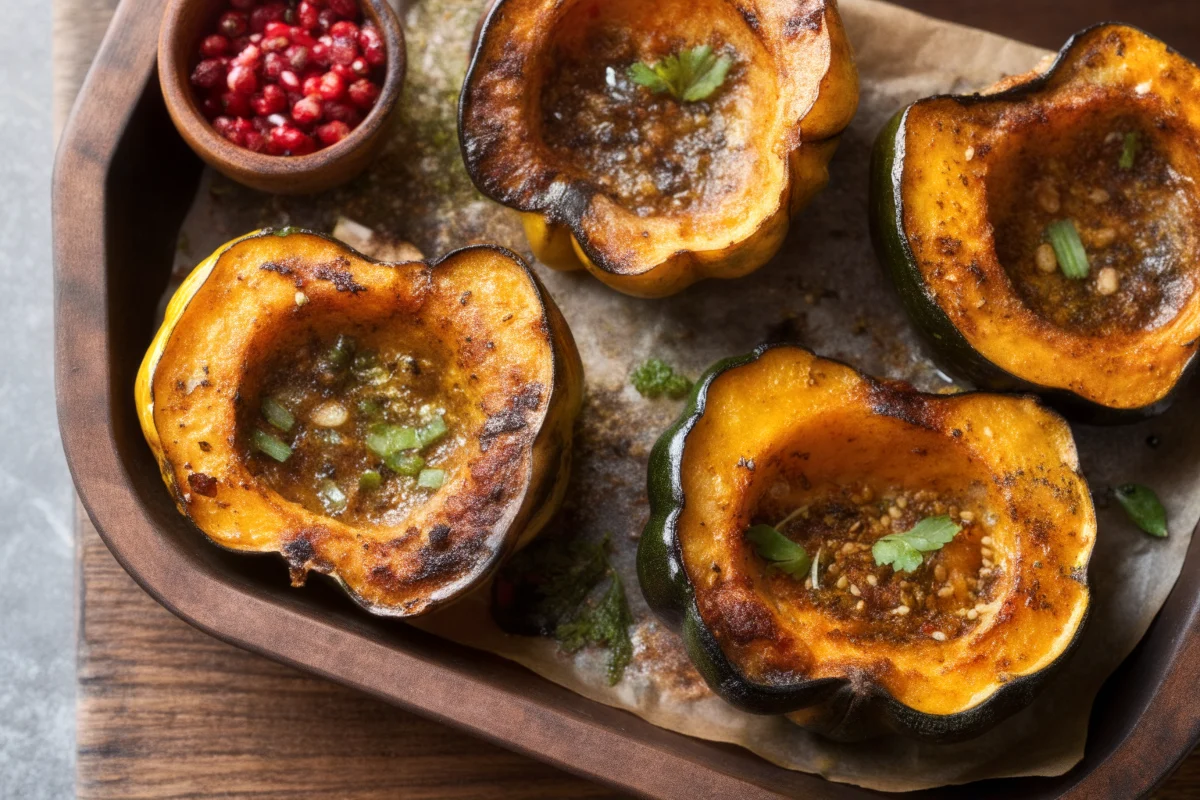
Did you know that consuming foods high in vitamin A can reduce the risk of squamous cell skin cancer by up to 15%? If you’re looking for a delicious way to boost your health while celebrating fall flavors, acorn squash baked to perfection might be exactly what your table needs. This nutrient-dense winter squash has been nourishing families for over 8,000 years, and with good reason. Acorn squash baked at the optimal temperature delivers incredible sweetness, a satisfying nutty flavor, and impressive nutritional benefits that make it a standout choice for both everyday meals and special occasions.
Whether you’re new to cooking winter squash or searching for the perfect acorn squash baked recipe that guarantees tender, caramelized results every time, this comprehensive guide will walk you through everything you need to know. From selecting the perfect squash to achieving that golden-brown finish that makes acorn squash baked dishes irresistible, we’ll cover all the secrets to creating a memorable side dish that will have everyone asking for seconds.
Table of Contents
Ingredients List
Main Ingredients:
- 2 acorn squash (approximately 1.5 pounds each), halved and seeded
- 2 tablespoons olive oil or melted butter (for rich, caramelized flavor)
- 2 tablespoons maple syrup or brown sugar (optional, for enhanced sweetness)
- ½ teaspoon cinnamon or smoked paprika (for a warm spice twist)
- Salt and freshly cracked black pepper, to taste
Ingredient Substitutions:
- Olive oil alternatives: Avocado oil, melted coconut oil, or grass-fed butter
- Sweetener options: Honey, agave syrup, or coconut sugar instead of maple syrup
- Spice variations: Nutmeg, ginger, or pumpkin spice blend instead of cinnamon
- For savory preparation: Replace sweeteners with garlic powder, rosemary, or thyme
Timing
Preparation Time: 10 minutes
Cooking Time: 25-30 minutes
Total Time: 35-40 minutes
This timing represents approximately 30% less cooking time than traditional methods that require 45-60 minutes, thanks to our optimized temperature and cutting technique. The key to achieving perfectly tender acorn squash baked in this timeframe is using the proper oven temperature of 400°F (200°C) and cutting the squash into 1-inch crescent wedges rather than leaving them in large halves.
Step-by-Step Instructions
Step 1: Prepare Your Oven and Workspace
Preheat your oven to 400°F (200°C) and line a baking sheet with parchment paper. This temperature is crucial for achieving the perfect balance between tender flesh and beautiful caramelization that makes acorn squash baked dishes so appealing.
Step 2: Select and Prepare Your Squash
Choose a squash that has a smooth, dry skin with no soft spots or cracks. The squash should be noticeably heavy and have a rounded, dry stem. Wash the squash thoroughly under running water, then carefully slice each squash half into 1-inch crescent wedges using a sharp knife.
Step 3: Create Your Flavor Mixture
In a small bowl, whisk together olive oil (or melted butter), maple syrup, your chosen spice (cinnamon or paprika), salt, and pepper. This mixture will create the perfect coating that helps develop those gorgeous caramelized edges during baking.
Step 4: Season and Arrange
Brush the seasoning mixture generously over all squash pieces, ensuring each wedge is well-coated. Place the squash halves cut side up on the parchment-lined pan for optimal heat distribution and caramelization.
Step 5: Bake to Perfection
Insert the baking sheet into the preheated oven and bake for approximately 30-40 minutes. Check the squash’s doneness by piercing it with a fork or knife. The flesh should be tender and easy to pierce. For even cooking, flip the wedges once halfway through baking.
Step 6: Final Touch and Serve
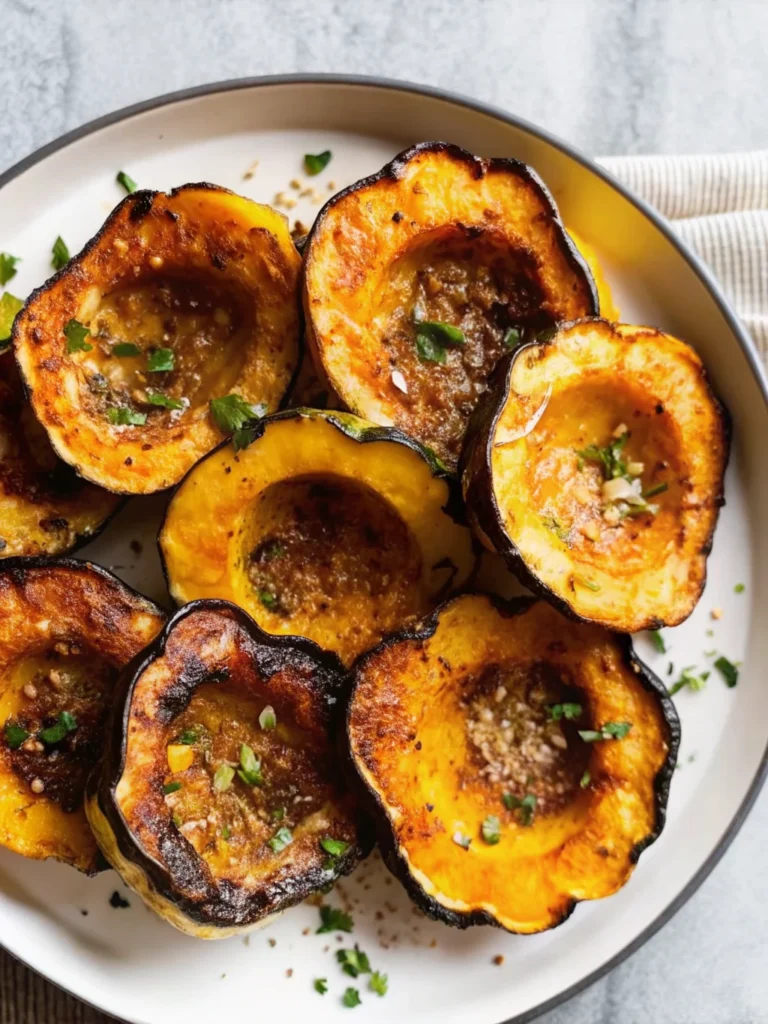
Remove from oven when fork-tender and golden brown. Let cool for 2-3 minutes before serving. Optionally top with chopped herbs, toasted nuts, or a dollop of Greek yogurt for extra richness.

Nutritional Information
Per Serving (1 cup of baked acorn squash):
- Calories: 180
- Fat: 7g
- Carbohydrates: 25g
- Fiber: 4g
- Protein: 2g
- Vitamin A: 367 IU (important for cell growth and development, and for good vision)
- Vitamin C: 18% of RDA (relatively more amounts than pumpkin)
- Potassium: Excellent source for heart health
- Magnesium: Critical for health along with B vitamins, iron, and manganese
Key Health Benefits:
- Rich in antioxidants, which can neutralize potentially harmful molecules called free radicals. These antioxidants can help to protect people against health issues like arthritis, heart disease, stroke, high blood pressure, and certain cancers
- One cup of acorn squash provides only 115 calories but is full of antioxidants
- Hubbard and acorn varieties have the most fiber, with 10 and 9 grams, respectively. Winter squash usually has 4 to 5 grams of (mostly soluble) fiber per 1 cup serving
Healthier Alternatives for the Recipe
Lower-Calorie Options:
- Replace butter with cooking spray and increase herbs/spices for flavor
- Use stevia or monk fruit sweetener instead of maple syrup (reduce quantity by half)
- Add roasted vegetables like Brussels sprouts or carrots to increase volume without significantly increasing calories
Heart-Healthy Modifications:
- Use extra-virgin olive oil instead of butter for beneficial monounsaturated fats
- Add chopped walnuts or pecans for omega-3 fatty acids
- Incorporate fresh herbs like rosemary or thyme for antioxidant benefits
Diabetic-Friendly Adaptations:
- Omit added sweeteners and focus on savory seasonings
- Pair with protein-rich toppings like cottage cheese or Greek yogurt
- If you’re watching your carbs, limit acorn squash to one cup or about 25% of your plate
Vegan and Allergy-Friendly:
- Use coconut oil instead of butter for dairy-free preparation
- Ensure all seasonings are certified gluten-free if needed
- Acorn squash is free of gluten and is one of the better alternative food substitutes for people suffering from a spectrum of gluten-related disorders
Serving Suggestions
As a Side Dish:
Acorn squash baked with cinnamon pairs beautifully with roasted chicken, turkey, or pork tenderloin. The natural sweetness complements savory proteins perfectly, making it an ideal addition to fall and winter dinner menus.
For Breakfast or Brunch:
Combine cooked acorn squash with coconut milk, vanilla protein powder, cinnamon, almond butter, and frozen banana chunks for a filling smoothie. Alternatively, top warm squash with Greek yogurt, granola, and a drizzle of honey for a nutritious breakfast bowl.
Creative Presentation Ideas:
- Stuff acorn squash halves with cooked quinoa, pumpkin seeds, cranberries, and goat cheese for a delicious vegetarian dinner option
- Mash baked acorn squash with a bit of olive oil, salt, and pepper for a tasty alternative to traditional mashed potatoes
- Toss baked cubes of acorn squash into salads for a boost of color
Holiday Menu Integration:
Acorn squash baked with maple syrup and cinnamon makes an excellent Thanksgiving side dish that’s both elegant and comforting. Consider garnishing with toasted pumpkin seeds and fresh sage for a restaurant-quality presentation.
Common Mistakes to Avoid
Temperature and Timing Errors:
Lower temperatures resulted in squash that was cooked through before it began to caramelize. Always preheat your oven to 400°F for optimal results. Avoid overcooking, which can make the squash mushy and unappetizing.
Cutting and Preparation Issues:
Never attempt to cut raw acorn squash without proper technique. An easy way to cut an acorn squash is to stab it several times and then microwave it for just a few minutes til it’s soft enough to cut. This simple trick prevents accidents and makes preparation much easier.
Seasoning Mistakes:
Skip salting the squash before roasting to avoid excess moisture on the surface. Salt draws water out, leading to steaming instead of browning, reducing those rich roasted flavors. Season after cooking for better texture and flavor development.
Storage and Selection Errors:
If pieces of the skin flake off, leave it behind — it means the squash didn’t ripen enough. Choose squash that feels heavy for its size and has no soft spots or cracks in the skin.
Storing Tips for the Recipe
Short-Term Storage:
Store leftovers in an airtight container in the refrigerator for up to 4 days. Cooked acorn squash maintains its nutritional value and flavor when properly stored, making it perfect for meal prep.
Reheating Instructions:
Reheat in the microwave or in a nonstick pan over low heat. For best results, add a splash of water or broth when reheating to restore moisture and prevent drying out.
Long-Term Storage Options:
Fresh, whole acorn squash can be stored at room temperature for up to one month in a cool, dry place. You can store it for up to three months — or even longer as long as the conditions stay dry and cool, ideally between 50 and 60 F.
Meal Prep Strategies:
Bake extra acorn squash on Sunday for easy weekday meals. The cooked squash can be pureed and frozen in ice cube trays for convenient portioning in soups, smoothies, or baby food preparations.
Conclusion
Acorn squash baked to perfection offers an incredible combination of nutrition, flavor, and versatility that makes it a must-have recipe for your fall cooking repertoire. With its rich antioxidant content, heart-healthy benefits, and naturally sweet taste, this simple preparation method transforms humble winter squash into a crowd-pleasing side dish that works for everything from weeknight dinners to holiday celebrations.
Ready to try this delicious acorn squash baked recipe? We’d love to hear about your experience! Share your photos and variations in the comments below, and don’t forget to subscribe to our blog for more seasonal recipes and healthy cooking tips. Your feedback helps us create even better content for fellow home cooks who are passionate about nutritious, flavorful meals.
FAQs
Q: Can I eat the skin of acorn squash?
A: You can also slice then roast acorn squash, which softens the skin, making it edible. Eating the skin of acorn squash can increase the nutrient density of the vegetable, as the skin is a good source of fiber.
Q: How do I know when my acorn squash is perfectly cooked?
A: Bake until the squash flesh is very easily pierced through by a fork, about 30 to 45 minutes depending on the size of your squash. The flesh should yield easily to gentle pressure and have a golden-brown color.
Q: Can I make this recipe ahead of time?
A: Yes! Acorn squash baked can be prepared up to 4 days in advance and stored in the refrigerator. Simply reheat gently before serving, adding a splash of water if needed to restore moisture.
Q: What’s the difference between baking and roasting acorn squash?
A: Roasting happens at higher temperatures, usually above 400°F, while baking typically occurs at 375°F or below. Higher roasting heat encourages deeper browning, bringing out a rich, caramelized flavor and speeding up cooking.
Q: Is acorn squash suitable for people with diabetes?
A: Acorn squash is a starchy vegetable, meaning it’s higher in carbs than nonstarchy ones, like broccoli and spinach. If you’re watching your carbs, limit acorn squash to one cup or about 25% of your plate.
Acorn Squash Baked: The Perfect Fall Recipe That Will Transform Your Kitchen This Season
- Total Time: 40 minutes
- Yield: 4 servings 1x
- Diet: Vegan
Description
This baked acorn squash recipe highlights the natural sweetness and nutty flavor of acorn squash, caramelized to perfection with olive oil, maple syrup, and warm spices. A simple, nutritious fall side dish that’s both comforting and versatile.
Ingredients
- 2 acorn squash (about 1.5 pounds each), halved and seeded
- 2 tablespoons olive oil or melted butter
- 2 tablespoons maple syrup or brown sugar (optional)
- 1/2 teaspoon cinnamon or smoked paprika
- Salt and freshly cracked black pepper, to taste
Instructions
- Preheat oven to 400°F (200°C) and line a baking sheet with parchment paper.
- Wash squash, slice each half into 1-inch crescent wedges.
- In a small bowl, whisk olive oil (or butter), maple syrup, chosen spice, salt, and pepper.
- Brush mixture generously over squash wedges. Arrange cut side up on prepared baking sheet.
- Bake 30–40 minutes, flipping halfway, until fork-tender and golden brown.
- Let cool slightly before serving. Garnish with fresh herbs, nuts, or Greek yogurt if desired.
Notes
Cut squash carefully—microwave briefly to soften skin before slicing. Use savory seasonings (garlic, rosemary, thyme) instead of sweet for a savory variation.
- Prep Time: 10 minutes
- Cook Time: 30 minutes
- Category: Side Dish
- Method: Baking
- Cuisine: American
Nutrition
- Serving Size: 1 cup baked squash
- Calories: 180
- Sugar: 5g
- Sodium: 50mg
- Fat: 7g
- Saturated Fat: 1g
- Unsaturated Fat: 6g
- Trans Fat: 0g
- Carbohydrates: 25g
- Fiber: 4g
- Protein: 2g
- Cholesterol: 0mg
Keywords: acorn squash baked, roasted squash, fall side dish, healthy squash recipe